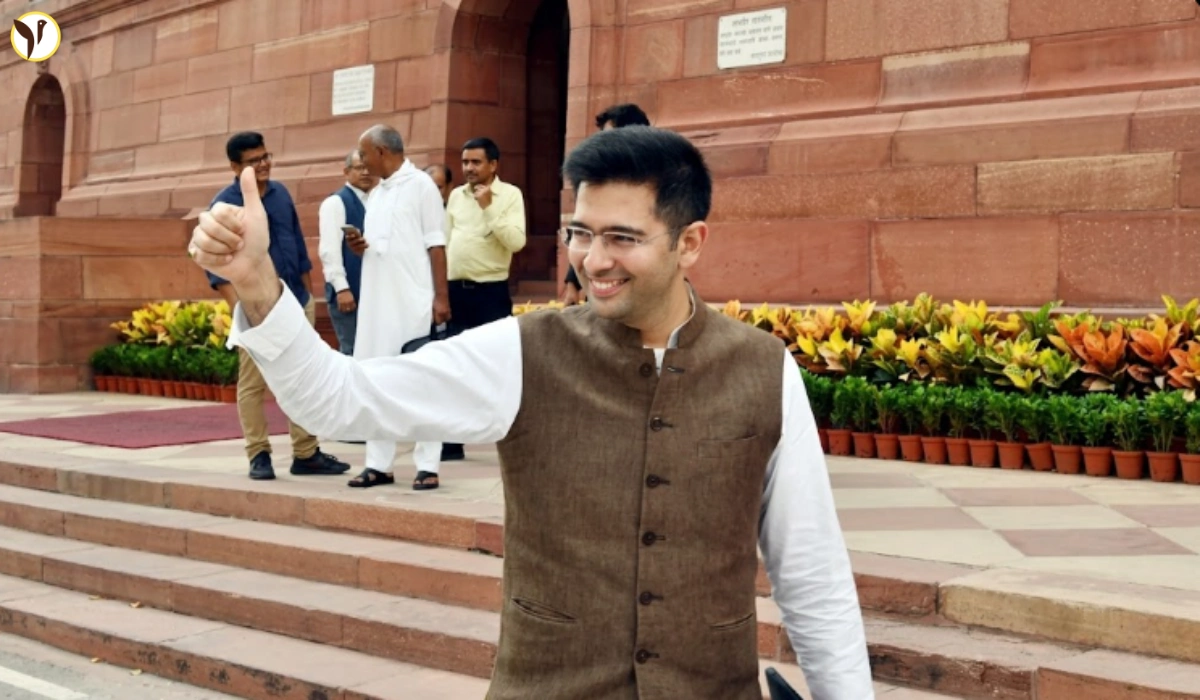
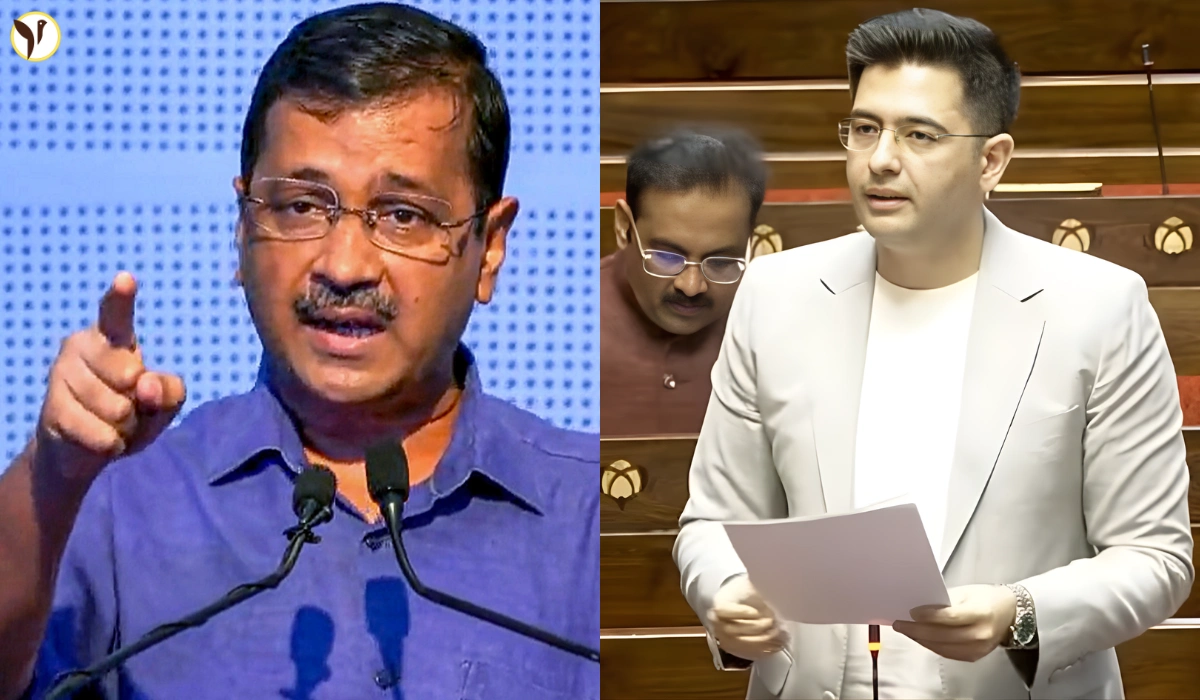


April 2, 2026, something big just dropped. The party that once called Raghav Chadha one of its brightest stars has suddenly pulled him from a key job in Parliament.
No long speeches. No press conference. Just a quiet letter to the Rajya Sabha Secretariat saying: remove Raghav Chadha as deputy leader and don’t give him time to speak from our side. In his place? Punjab MP Ashok Mittal steps up.
So the big question everyone is asking: Is everything okay in AAP? Let’s break it down step by step, like we’re chatting over chai. No jargon, no complicated stuff – just clear facts, real stories, and what this could mean for the party and its leaders.
What Exactly Happened on April 2, 2026?
Early this morning, news agencies got the scoop. AAP sent an official letter to the Rajya Sabha office. It had two clear points:
- Take away Raghav Chadha’s title as deputy leader.
- Don’t let him speak using the party’s time slots anymore.
They named Ashok Mittal – a businessman-turned-politician and founder of Lovely Professional University – as the new number-two in the Upper House. AAP currently has 10 MPs there: seven from Punjab and three from Delhi. Sanjay Singh remains the main leader.
This isn’t a small shuffle. Deputy leader means helping run party meetings, deciding who speaks on bills, and showing a united face in Parliament. Removing that role – and the speaking rights – is like saying, “You’re still in the team… but sit on the bench for now.”
Timeline: Key Developments Leading to April 2026
2023–2024: Rise and National Visibility
- Raghav Chadha played a major role in expanding AAP beyond Delhi and Punjab
- Became a strong spokesperson in national debates
- Represented AAP in Parliament and media regularly
2024–2025: Legal and Political Pressures on AAP
- The party faced multiple investigations and political pressure
- Leadership, including Arvind Kejriwal, dealt with legal challenges
- Party focus shifted to damage control and survival strategy
Late 2025: Noticeable Silence from Chadha
- Reduced media appearances
- Limited participation in high-energy campaigns
- Focus seemed to shift away from aggressive politics
Early 2026: Renewed Speculation
- Analysts began questioning:
- Is Chadha stepping back?
- Is there a strategic reshuffle?
- Or is this a planned low-profile phase?
Why Now? The Silence That Raised Eyebrows
Party sources haven’t given an official reason yet. But everyone is pointing to one thing: Raghav Chadha stayed completely quiet after Arvind Kejriwal and Manish Sisodia got big relief in the excise policy (liquor scam) case.
The court discharged them just days ago. Kejriwal held a press conference and a big rally at Jantar Mantar to celebrate. Chadha? Nowhere to be seen. No tweet. No Instagram post. No visit to the AAP office. Social media lit up with questions like “Where is Raghav?” and “Why the silence?” Some even called it ungrateful.
This isn’t the first time his low profile has caused chatter. Remember when Kejriwal was arrested earlier? Or during tough election moments? Chadha was often missing or recovering from eye surgery abroad. Supporters defended him, saying he was spending time with family. Critics said it looked like distance from the party.
Today’s move feels like the party drawing a line: stay visible and vocal, or step aside.
Why Is This Move Creating a Big Stir?
On the surface, this is just a change of post. But in politics, who is shifted and how they are shifted matters even more than the title itself. Here’s why this is making noise:
- Raghav Chadha’s profile: He joined AAP in 2014 and quickly rose as a young, articulate, media‑savvy leader. He has handled press, strategy, and several key campaigns, including Delhi and Punjab.
- Symbolic sidelining: By asking the Secretariat not to give him time to speak in Parliament, AAP is effectively cutting his speaking role in the House—a rare step that signals a serious fall in standing.
- Timing: The move comes at a time when AAP is already facing multiple internal and electoral challenges, including poor results in Goa, leadership tensions, and questions about the party’s direction after the Delhi service‑control row.
Who Is Raghav Chadha? From New Face to Star MP
Let’s go back so you understand why this hurts. Raghav Chadha joined AAP right at the beginning in 2012. He worked closely with Arvind Kejriwal on the Delhi Lokpal Bill – the anti-corruption idea that launched the party.
Fast forward:
- He became the national spokesperson.
- After AAP’s huge 2015 Delhi win, he was made the youngest treasurer ever.
- Contested 2019 Lok Sabha from South Delhi (lost, but fought hard).
- Won the 2020 Delhi Assembly seat from Rajendra Nagar.
- Served as vice-chairman of Delhi Jal Board, pushing water reforms.
- In 2022, at just 33, he became one of the youngest Rajya Sabha MPs from Punjab.
- In 2023, he even stepped in as Rajya Sabha leader when Sanjay Singh faced legal issues.
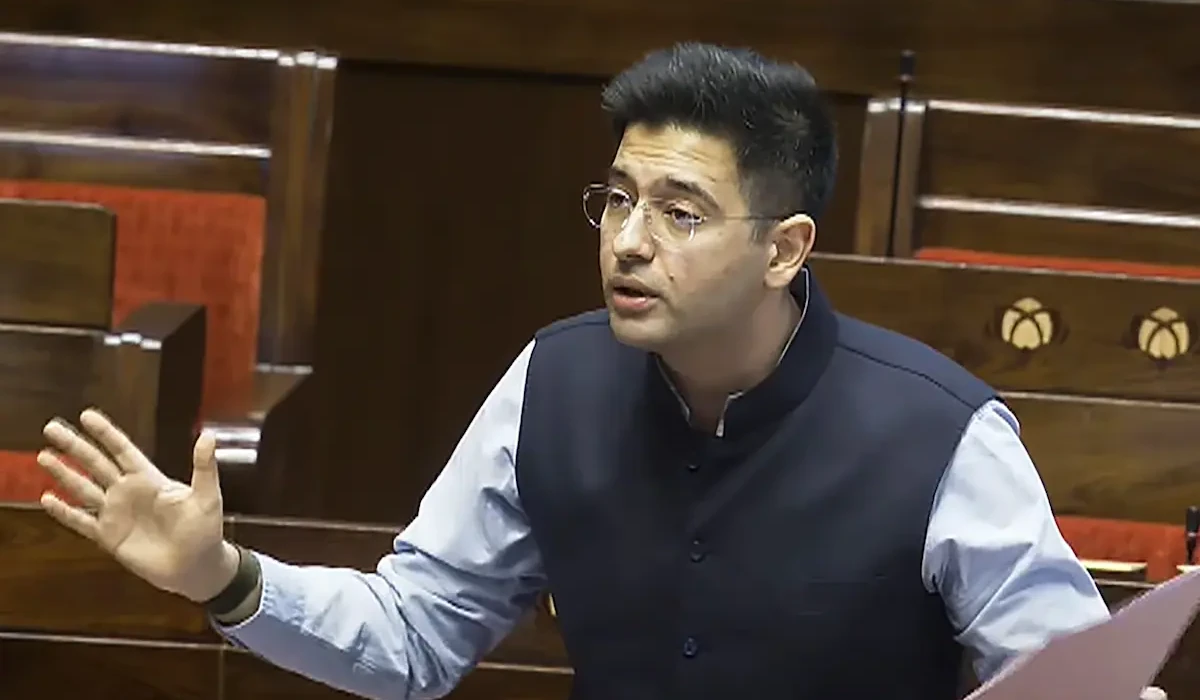
Chadha built a name for raising everyday issues in Parliament. He spoke about gig workers by actually working a delivery shift himself. He pushed for menstrual hygiene for millions of girls. He flagged “sarpanch pati” culture where women win panchayat seats but men control everything. Just weeks ago in March 2026, he was demanding rollover of unused mobile data, better urban traffic plans, and fairer taxes for the middle class. People loved his fiery, relatable style.
So yes – he was once the fresh, young face AAP proudly showed off.
Meet the New Deputy Leader: Ashok Mittal
Ashok Mittal isn’t new to AAP or Parliament. Elected to Rajya Sabha from Punjab in April 2022, he’s a successful educationist who built Lovely Professional University from the ground up. He’s served on important committees like Defence and Finance. He’s known for asking sharp questions and introducing private member bills.
Replacing a charismatic speaker like Chadha with a steady, experienced hand like Mittal shows AAP wants discipline and teamwork right now. No more solo PR moves, perhaps.
Reactions: From Shock to Sharp Comments
Social media exploded within hours. Some posts cheered the decision, saying Chadha focused too much on personal image. Others called it unfair, wondering if AAP is losing its open culture.
One X user wrote: “Classic AAP internal mechanics – you either fall in line or you’re out.” Another said it was “well-deserved” for staying silent during tough times. News channels are calling it a “power move” and asking if bigger changes are coming.
No statement from Raghav Chadha or Arvind Kejriwal yet. That silence itself is adding fuel to the fire.
Is This a Pattern? Looking at Past Rumors
If you’ve followed AAP for years, you know whispers of internal differences come and go. Chadha has faced questions before – during Delhi elections, arrests, and even Assam campaign lists where he was reportedly dropped. Each time, party leaders denied any rift.
But today’s action is official and public. It’s not gossip anymore. It raises real questions about loyalty, visibility, and how AAP handles its second-generation leaders.
The Aam Aadmi Party (#AAP) has written to the Rajya Sabha secretariat seeking the removal of #RaghavChadha as the party's deputy leader in the House. Rajya Sabha MP Ashok Mittal from Punjab is likely to be appointed as the new deputy leader. https://t.co/FSW2uayQOy
— Deccan Chronicle (@DeccanChronicle) April 2, 2026
What Does This Mean for AAP’s Future?
AAP is fighting on many fronts – Delhi, Punjab, and national ambitions. Kejriwal’s recent court relief was supposed to be a big morale booster. Instead, this leadership change has created fresh headlines about “internal rift.”
Positive side: It shows the party is tightening ranks and focusing on collective strength ahead of bigger battles. Negative side: It risks looking like one-man control, which critics love to highlight.
Raghav Chadha’s Rajya Sabha term still has time left. He remains an MP and party member. But his reduced role could mean less national visibility. Will he bounce back stronger? Or is this the start of a quiet exit? Only time – and his next moves – will tell.
For ordinary voters like you and me, this reminds us that even popular parties have human drama behind the scenes. Politics is about ideas, but also about people, egos, and teamwork.
What This Means for AAP’s Future in 2026
For AAP, the real test now is damage control and public trust. If the party can rebuild unity without pushing away talent like Chadha, it may still present itself as a young, energetic alternative to older parties. But if the sidelining turns into open conflict or expulsions, voters may start seeing AAP as just another political outfit where egos and power struggles overshadow people’s issues.
In 2026, with national elections on the horizon, AAP cannot afford visible cracks. The way it handles this crisis will decide whether the slogan “Is everything okay in AAP?” goes from a joke headline to a genuine question on voters’ minds.
Other Articles to Read:
- Why Phillip Phillips Expected Early Exit on The Masked Singer Season 14
- Ted Bundy DNA Breakthrough Solves 1974 Utah Mystery Case
- Don’t Malign Him!’ Arjun Bijlani Defends Samarth Jurel After Jannat Zubair Video Row
- Ella Langley Beats Taylor Swift Record In New Choosin Texas Video
- Ramayana Teaser: Ranbir Kapoor as Lord Rama Wins Hearts Instantly
- Daniel Caesar Arena Tour 2026: Cities, Guests, and Full Info
- Eugene Mirman Near Death Experience After Fiery Toll Plaza Crash
- Elizabeth Taylor Is Back In Spotlight After Taylor Swift’s Surprise Tribute Video