
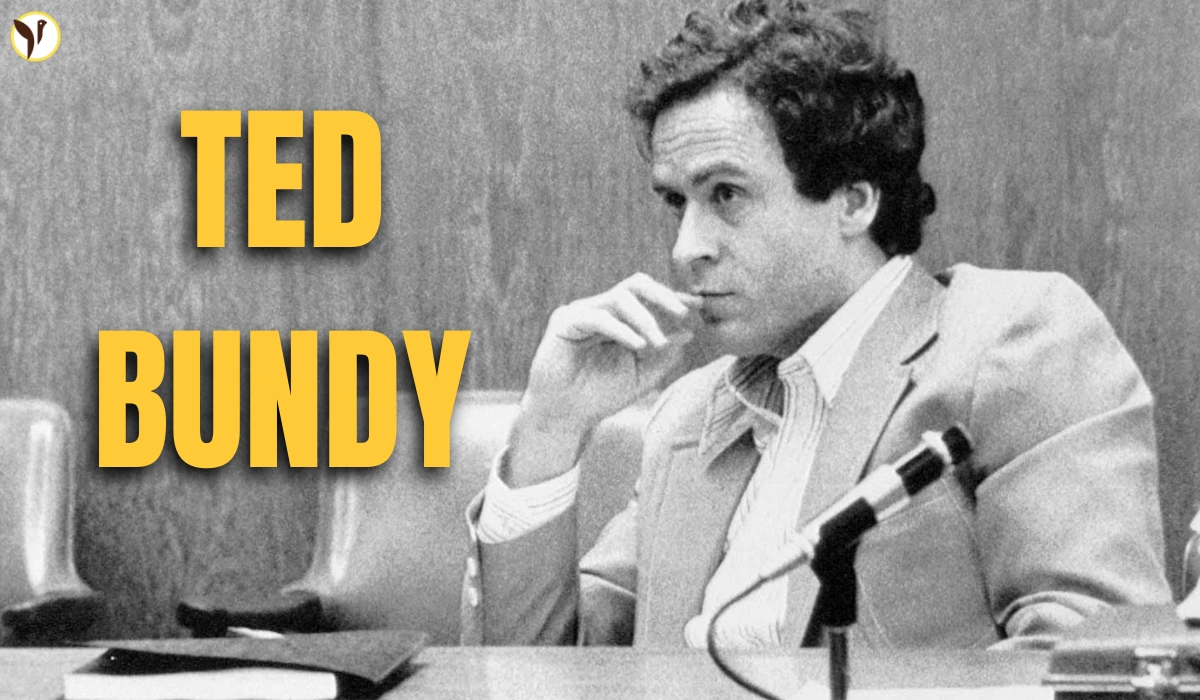


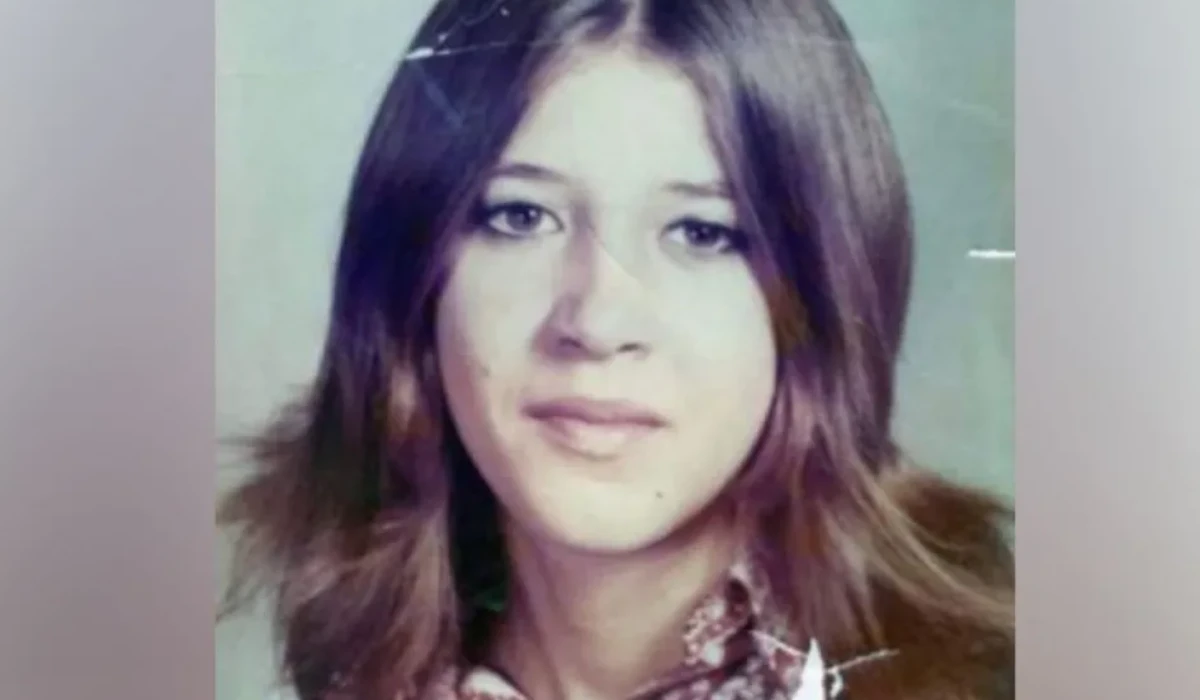
After close to 50 years of being unresolved, a 1974 cold case has moved forward significantly. Thanks to new methods in forensic evidence testing, the murder of a teenage girl has now been connected to Ted Bundy, possibly the worst serial killer in America. This is not just another case update for you, but a rare occurrence where today’s methods of evidence analysis change how we looked at the previous case and will provide the families of victims with the long-awaited answers they have so desperately wanted.
The Case That Refused to Stay Silent
In November 1974, you find yourself in Salt Lake City. An 18-year-old girl named Carol DaRonch has just left a mall. She is approached by a male who tells her that he is with the police and warns her that he believes someone might be trying to steal her car, and he would like her to accompany him to her car.
She agrees
Once inside his vehicle, Carol quickly realizes that this man is not what he claims to be. He will soon have Carol handcuffed, physically assault her, and attempt to murder her. After a very difficult fight, Carol is finally able to flee the man's vehicle. This event will become one of the most significant survivor stories of all of the victims associated with Ted Bundy. For many years, Carol's account of these events has remained intact. Recently however, DNA science has helped validate the accuracy of her testimony.
How Modern Forensics Solved What the 1970s Couldn’t
Back in the 1970s, investigators didn’t have DNA testing. Evidence collected during that time often remained unused or only partially analyzed.
Today, things are very different
Investigators revisited preserved material from the case and applied advanced DNA analysis techniques. They extracted genetic traces and compared them using modern forensic databases and genealogy tools.
Here’s how the breakthrough happened:
- Archived evidence was re-tested using modern DNA sequencing
- Genetic material was matched with known profiles
- Genealogy databases helped confirm identity links
- Results aligned with existing evidence tied to Bundy
This process removed any remaining doubt. The case now stands on both witness testimony and scientific proof.
Bundy’s 1974 Crime Trail Becomes Clearer
During 1974 and 1975, Ted Bundy operated across several states, including Utah and Colorado. His method often involved deception.
He approached victims in everyday settings
- Shopping areas
- College campuses
- Public streets
He appeared trustworthy, sometimes posing as an authority figure or someone needing help.
Several victims disappeared during this period. Some were later confirmed as his victims. Others remained uncertain. This DNA update helps close one more gap in that timeline.
Case Timeline and Key Victims
|
|
|
|
|
|
|
|
|
|
|
|
|
|
|
|
|
|
|
|
|
|
|
|
|
|
|
|
|
|
|
|
|
|
|
|
|
|
|
|
Why Cases Like This Are Being Solved Now
You’re seeing a larger shift in criminal investigations. Technology has reached a point where even decades-old evidence can produce results.
Key factors include
- Improved DNA extraction from degraded samples
- Larger and more detailed genetic databases
- Use of genealogy tools to trace family connections
- Renewed focus on cold cases by law enforcement
This is why many long-unsolved cases are now being reopened worldwide.
Expert Perspective: A Turning Point for Cold Cases
From an investigative standpoint, this breakthrough shows how science is reshaping justice.
Experts point to three major impacts:
- More Cold Cases May Be Solved
Cases once considered unsolvable are now being revisited with success. - Victim Identification Could Improve
Unidentified remains may finally be matched with missing persons. - Stronger Evidence Standards
DNA provides a level of certainty that older methods could not.
However, experts also stress the need for careful verification. DNA evidence must always be supported by context, timelines, and investigative work.
Other Articles to Read:
- Ella Langley Beats Taylor Swift Record In New Choosin Texas Video
- Ramayana Teaser: Ranbir Kapoor as Lord Rama Wins Hearts Instantly
- Daniel Caesar Arena Tour 2026: Cities, Guests, and Full Info
- Eugene Mirman Near Death Experience After Fiery Toll Plaza Crash
- Elizabeth Taylor Is Back In Spotlight After Taylor Swift’s Surprise Tribute Video
The Human Side Behind the Evidence
While the science is important, the emotional impact remains central. Survivors and families have waited decades for answers.
Carol DaRonch’s survival and testimony played a key role in exposing Bundy. This new DNA confirmation reinforces her account and gives it additional weight.
Why This Story Stands Out Today
What you are witnessing here is not merely an analysis of a past criminal event. You are witnessing the impact of contemporary scientific techniques on the interpretation of the history of crime. Cases thought to be unsolvable 20 years ago are being reopened with new discoveries and re-evaluated from new perspectives.
This latest development brings depth to the established history of Ted Bundy and demonstrates how crime investigation methods change over time.