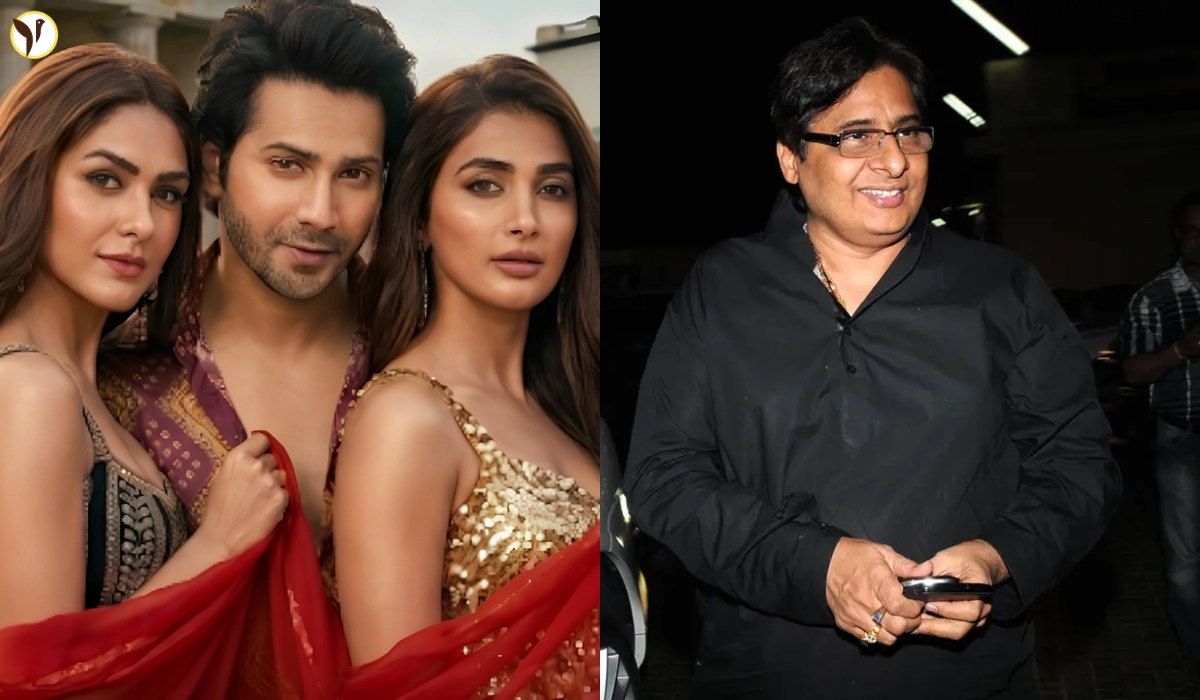


As Bollywood's messiest IP battle of 2026 intensifies, both Pooja Entertainment and PVR Inox Pictures are now pushing back against a swirling narrative that their professional relationship has collapsed — but the bigger copyright war rages on.
In a week that has seen Bollywood's legal dramas reach a fever pitch, veteran producer Vashu Bhagnani's production banner Pooja Entertainment formally stepped into Monday morning's news cycle to quash claims of a financial rift with cinema giant PVR Inox Pictures. The production house issued a blunt, unequivocal statement labelling reports of any ongoing legal proceedings between them as "entirely inaccurate" — a characterisation that PVR Inox itself had already echoed days earlier.
What Was Actually Reported — And Why It Spread Fast
On May 30, an entertainment news portal published what it described as a "mega exclusive": PVR Inox Pictures was allegedly preparing legal proceedings against Bhagnani's Puja Entertainment over dues stemming from a ₹100 crore refundable advance tied to the theatrical distribution of three consecutive Bhagnani productions — Mission Raniganj (2023), Ganapath (2023), and Bade Miyan Chote Miyan (2024). The report claimed that the advance was to be recovered based on the commercial performance of these films, all of which underperformed at the box office.
Given the already high-decibel public dispute Bhagnani was engaged in at the time, the story found quick traction. But it collapsed within hours — and from both sides simultaneously.
"The contents of the story are misleading and speculative in nature and do not accurately reflect the facts or the nature of the relationship between the parties."— PVR Inox Pictures, official statement, May 30, 2026
PVR Inox's statement went further than a simple denial. The multiplex giant used the opportunity to publicly commend Jackky Bhagnani — Vashu's son — for his conduct in handling all matters between the two companies, describing his approach as professional and collaborative. Pooja Entertainment, in its own June 1 response, reciprocated the warmth, calling the relationship "strong and cordial."
Timeline: How the Bhagnani IP War Escalated
- 1999
Biwi No. 1 — produced by Vashu Bhagnani, directed by David Dhawan — releases with iconic songs Chunnari Chunnari and Ishq Sona Hai.
- 2023–2024
Pooja Entertainment's Mission Raniganj, Ganapath, and Bade Miyan Chote Miyan release — all struggle commercially.
- Early May 2026
Bhagnani publicly objects to the use of Chunnari Chunnari and Ishq Sona Hai in the upcoming film Hai Jawani Toh Ishq Hona Hai, claiming rights ownership and alleging copyright infringement.
- May 27, 2026
Ramesh Taurani (Tips Industries), David Dhawan, and the Hai Jawani Toh Ishq Hona Hai team issue a joint statement calling Bhagnani's campaign a "smear" driven by "personal vendetta." They assert rightful ownership of the songs.
- Late May 2026
Bhagnani files a ₹400 crore lawsuit in the Bombay High Court against Tips Industries and David Dhawan. The recreated song Chunnari Chunnari Let's Go is released; public and original singer Abhijeet Bhattacharya criticise it online.
- May 30, 2026
A report claims PVR Inox is preparing to sue Bhagnani. PVR Inox immediately rebukes the story as "misleading and speculative."
- June 1, 2026
Pooja Entertainment issues its own denial, tagging the reports "entirely inaccurate." The copyright case remains sub judice.
- June 5, 2026
Hai Jawani Toh Ishq Hona Hai — starring Varun Dhawan, Mrunal Thakur, and Pooja Hegde — is scheduled for worldwide theatrical release.
The Chunnari Chunnari Battle — The Real Fire
Strip away the PVR Inox noise, and what remains is the dispute that has genuinely consumed Bollywood trade circles for weeks: Vashu Bhagnani's intellectual property battle over the song Chunnari Chunnari — and its companion track Ishq Sona Hai — both originally from the 1999 David Dhawan-directed hit Biwi No. 1.
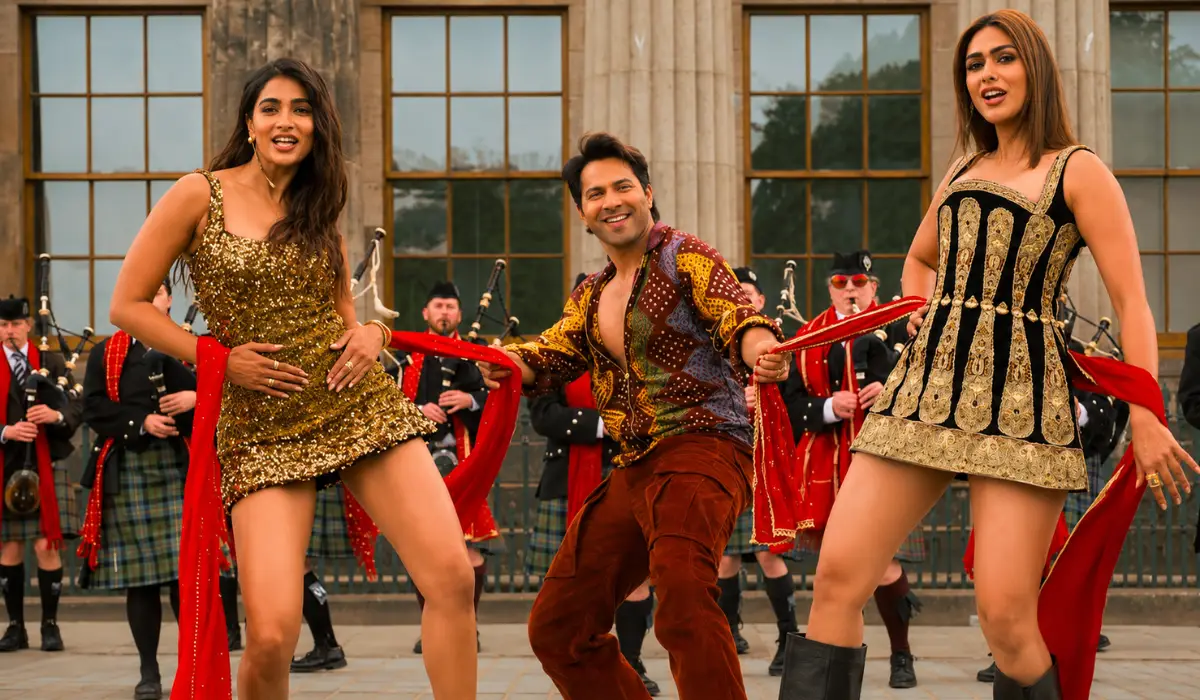
The upcoming comedy film Hai Jawani Toh Ishq Hona Hai, directed by David Dhawan and starring Varun Dhawan, Pooja Hegde, and Mrunal Thakur, has recreated versions of both songs. Bhagnani contends that these songs are inseparably linked to his creative and financial legacy with Biwi No. 1 — a film he produced — and that their recreation happened without his authorisation or even a courtesy conversation.
His position, as he has stated publicly, is not primarily about money. It is about respect, consent, and what he sees as a violation of longstanding industry relationships. He has expressed deep personal hurt that David Dhawan — a director he has worked with across multiple hit films — allegedly did not consult him before proceeding. He also noted that Varun Dhawan, the director's son, never called him once even after the losses Pooja Entertainment incurred on their collaboration Coolie No. 1.
The Parties and Their Positions — At a Glance
|
|
|
|
|
|
|
|
|
|
|
|
|
|
|
|
|
|
|
|
|
|
|
|
|
|
|
|
|
|
Why Media Narratives Around Bhagnani Are Under Scrutiny
The rapid, widespread pickup of the PVR Inox story — later debunked by both parties — raises a fair question about the current media environment around Bhagnani. With one high-profile dispute already live and public, the producer has become a name that generates clicks. That creates conditions for unverified "exclusives" to circulate before either side has had a chance to respond.
Both PVR Inox's statement and Pooja Entertainment's response were explicit about this: they did not just deny the claims but specifically asked media organisations to exercise due diligence before publishing claims based on unverified sources. The language in PVR Inox's statement — urging outlets to "refrain from drawing conclusions based on inaccurate and unverified reports" — was unusually pointed for a corporate clarification.
"We request media outlets and stakeholders to exercise due diligence and refrain from drawing conclusions based on inaccurate and unverified reports."— PVR Inox Pictures, official statement, May 30, 2026
What Happens Next: Three Things to Watch
The Bombay High Court proceedings over the Chunnari Chunnari dispute are the central arena to monitor. Bhagnani has stated clearly that he is not opposed to the film's release as a whole — his objections are targeted at specific content he believes infringes his intellectual property. Whether the court grants any interim relief before June 5 remains the most immediate flashpoint.
Second, the public reception of Hai Jawani Toh Ishq Hona Hai — already facing headwinds with the recreated Chunnari Chunnari Let's Go drawing online criticism — will be closely watched. Box office performance rarely goes unaffected when a film carries this much pre-release controversy.
Third, and most significant for the industry at large, is the precedent this case could set. Bollywood's recreation economy — the industrial recycling of 90s chartbusters for new productions — has operated in a legally ambiguous space for years. A Bombay High Court ruling on who actually owns what in a film's music ecosystem could have ripple effects well beyond this single dispute.
Other Articles to Read: