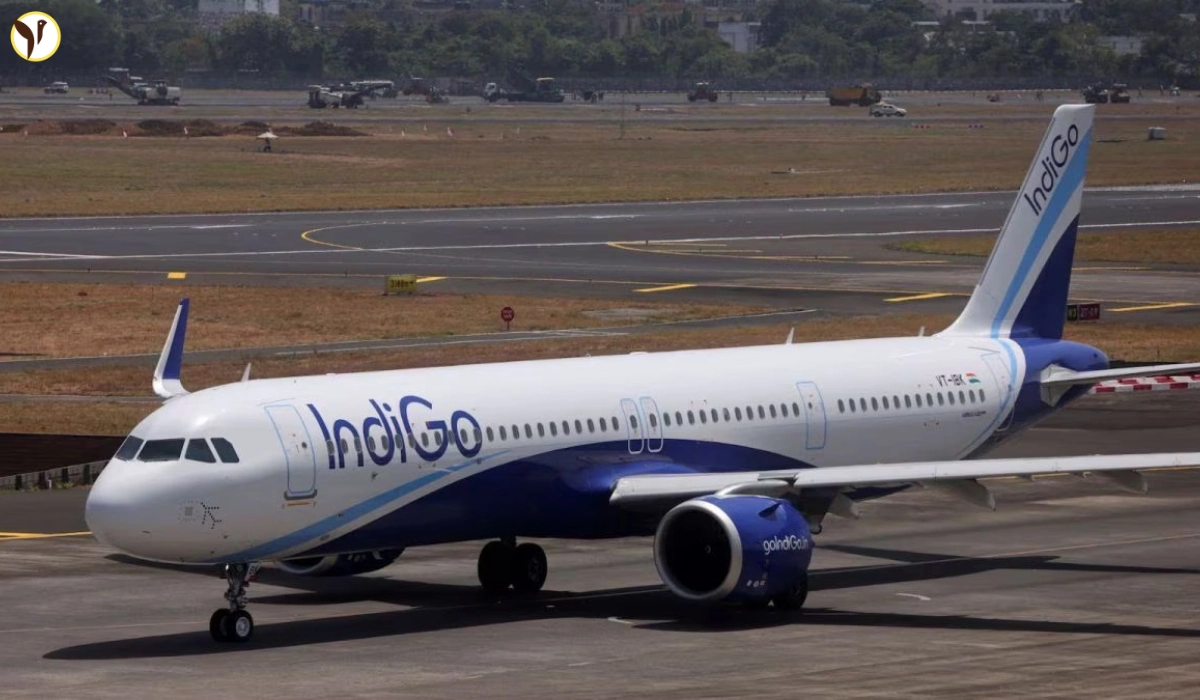


Picture this: You're cruising at 30,000 feet on your way from Visakhapatnam to Delhi. The morning sun is shining, and everything feels normal. Then, suddenly, the pilots notice something wrong with one engine. High vibrations. The engine shuts down on its own. What would you do? Panic? Pray? For the 161 people on board IndiGo flight 6E579 on March 28, 2026, the crew stayed calm, and everyone walked off the plane safe and sound.
This real-life drama unfolded early this morning at Delhi's Indira Gandhi International Airport (IGI). No one got hurt. No damage to the plane. But it reminds us how quickly things can change in the sky – and how well-trained teams make sure we all get home safely. Let's break down every detail step by step, from takeoff to touchdown, and why this story matters for every flyer in India.
IndiGo Engine Failure: What Happened on Flight 6E 579 Timeline
Let's rewind to the start. Flight 6E 579 took off from Ahmedabad's Sardar Vallabhbhai Patel International Airport at 2:15 PM IST. It was a routine 1-hour-20-minute trip to Delhi, carrying 176 passengers and 6 crew members—mostly families heading home or business folks wrapping up meetings.
- 2:35 PM: Trouble hits. The right engine (a Pratt & Whitney PW1100G on the Airbus A320neo) shows warning signs. Pilots notice vibrations and a drop in power. Captain Rajesh Kumar, with 15 years of experience, takes charge.
- 2:40 PM: Mayday call to Air Traffic Control (ATC). The plane is at 28,000 feet over Rajasthan. Pilots shut down the faulty engine and switch to the left one, following standard drills.
- 3:05 PM: Safe landing at Delhi's runway 28. The plane glides in perfectly—no fire, no smoke. Fire trucks and ambulances wait on standby, but no one needs them.
By 3:30 PM, passengers were off the plane, sipping tea in the terminal. IndiGo tweeted the first update at 3:45 PM: "Flight 6E 579 from Ahmedabad to Delhi returned safely to Delhi due to a technical snag. All guests safe."
IndiGo Flight 6E579 Engine Failure: What Exactly Happened Moment by Moment
The flight took off from Visakhapatnam (VTZ) around 8:48 AM IST, a bit earlier than the scheduled 9:00 AM. It was a Boeing 737-800, a reliable twin-engine jet that's been flying for about 15 years. On board: roughly 160 passengers plus crew, totaling 161 people. The plane had plenty of fuel – enough for more than six hours extra if needed.
As the aircraft approached Delhi, pilots spotted trouble. Engine number one (the left one) started vibrating badly. It was a CFM-56 engine, common in these planes. The engine shut down by itself – what experts call an "uncommanded in-flight shutdown." At exactly 10:39 AM, the pilots declared a full emergency. They told air traffic control: "Mayday" basically, and switched to single-engine flying.
Delhi Airport swung into action right away. A "full emergency" means fire trucks, ambulances, and rescue teams line up along the runway. Runway 28 was cleared and put on high alert. No other flights were delayed much – Indian airports handle these situations like clockwork.
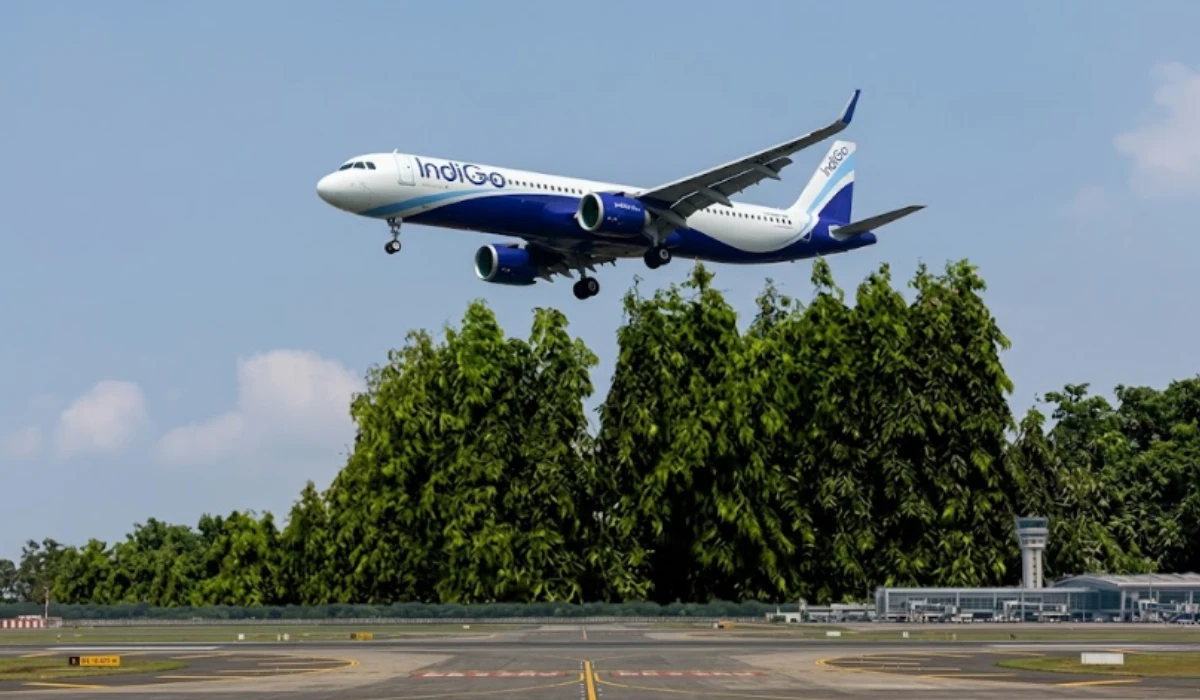
Just 15 minutes later, at 10:54 AM (some trackers say 10:59 AM), the plane touched down smoothly on one engine. It rolled to a stop safely. Passengers clapped and cheered. Ground staff helped everyone off quickly. No one needed medical help. The plane was towed away for checks.
Why a Boeing 737 Can Fly and Land on Just One Engine – Simple Explanation for Everyone
Worried about one engine failing? Don't be – modern jets like the Boeing 737 are built for it. They have two powerful engines so the plane can keep flying even if one stops. Pilots train for this every six months in simulators. They practice single-engine landings until it's second nature.
In this case, the pilots followed the exact checklist: reduce speed a bit, adjust the flaps, and keep the plane steady. The aircraft had no heavy cargo or dangerous goods, which made things easier. Aviation experts say this shows why twin-engine planes are so safe – redundancy saves lives.
IndiGo's spokesperson kept it straightforward: "A technical snag was detected shortly before landing on IndiGo flight 6E 579 operating from Visakhapatnam to Delhi on March 28, 2026." They praised the crew and said all standard safety steps were followed.
Passenger Experience on IndiGo 6E579: Calm Crew, Quick Landing, and Big Relief
No one on the plane has shared scary videos yet (it's still the same day), but early reports say the cabin stayed quiet. Crew told passengers to stay seated and relaxed. One X post from a watcher called it "textbook perfect." People on social media are thanking the pilots: "Kudos to the crew for handling it like pros."
Flights like this carry families, business travelers, and students heading home to Delhi or connecting further. Imagine the relief when wheels hit the runway! Airport staff offered water and support right away. IndiGo will likely give passengers options to rebook or refund if needed.
Delhi IGI Airport Emergency Response: How Teams Saved the Day in Minutes
Delhi Airport (DIAL) is one of India's busiest. When the emergency call came at 10:39 AM, they activated the full plan:
- Fire and rescue vehicles ready on standby.
- Medical teams on alert.
- Runway cleared in seconds.
Everything ran so smoothly that the plane landed in under 20 minutes. No chaos on the ground. Other flights kept moving normally after a short pause. This is why Indian airports score high on safety drills.
IndiGo flight makes emergency landing at Delhi IGI Airport due to…, 161 passengers escape narrowly after…
— News24 English (@News24eng) March 28, 2026
READ MORE➡️https://t.co/M1orE869I7 #IndiGo #IndiGoFlight #DelhiIGIAirport #IGIAirport #Delhi https://t.co/2P3Gvv7gEX
IndiGo's Safety Record and What This Means for Flyers
IndiGo is India's largest airline, flying millions every year. They follow strict rules from the Directorate General of Civil Aviation (DGCA). Planes get checked after every flight, and engines are monitored closely. This incident looks like a one-off technical issue – not something bigger.
Still, the DGCA will now investigate. They'll check the engine, black box data, and maintenance logs. The plane (registration TC-CON, wet-leased from another operator) will stay grounded until cleared. That's standard and keeps everyone safe.
Fun extra fact: Single-engine landings happen rarely, but pilots train for them constantly. It's like having a spare tire in your car – you hope you never need it, but it's there when you do.
What Happens Next After IndiGo Flight 6E579 Safe Landing?
Right now, the plane is being inspected. Passengers are probably already home or on new flights. IndiGo will share more updates soon. If you're flying with them soon, rest easy – this shows their system works.
For the rest of us, it's a good reminder: Listen to the crew, keep your seatbelt on, and trust the professionals in the cockpit.
Other Articles to Read:
- Kash Patel Email Hack Claim Raises Major Cybersecurity Alert
- What Happened to Saba Azad? Viral Hospital Pic Has Fans Worried
- Karan Johar Emotional Reaction to Dhurandhar 2 — What He Said About Ranveer Singh
- GATE 2026 Scorecard Download Live, COAP and CCMT Dates
- Shaadi-wadi?’ Karan Kundrra Drops a Hint on Tejasswi — Fans Think Wedding Is Near
- Happy Patel OTT Release Date Out And Where You Can Watch It Online