
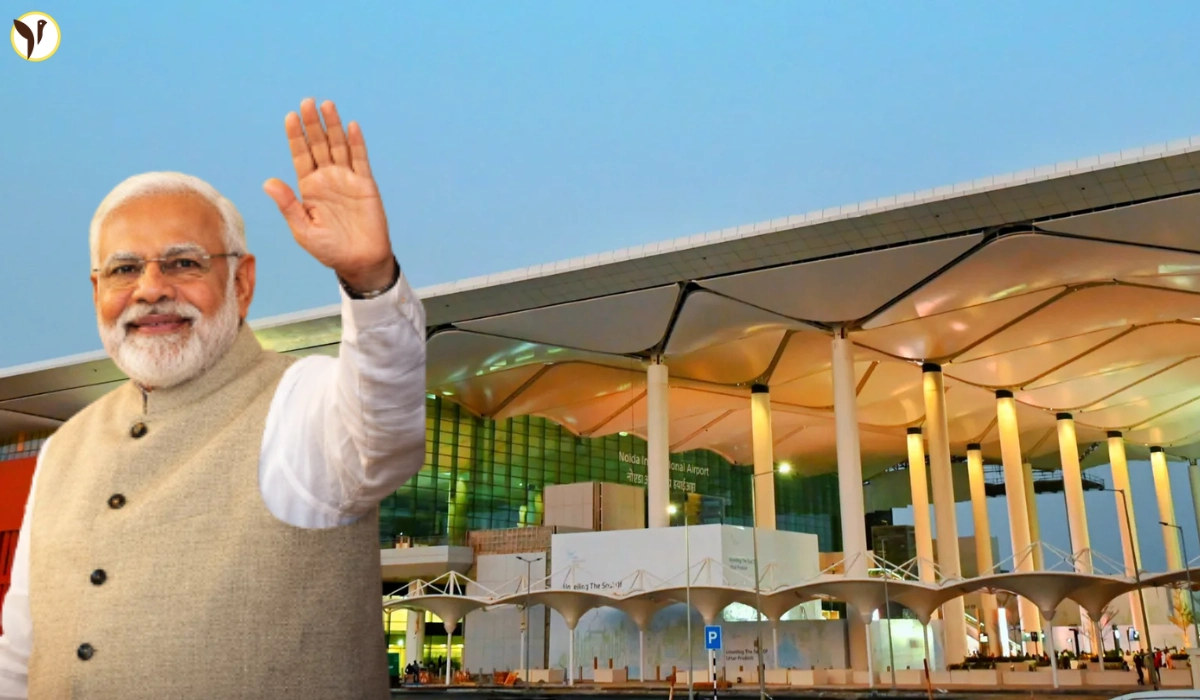


India’s aviation network took a major leap forward as Noida International Airport officially opened its first phase on March 28, 2026. Prime Minister Narendra Modi inaugurated the airport in Jewar, Uttar Pradesh, marking a significant milestone for the Delhi-NCR region. The new airport is expected to ease pressure on Indira Gandhi International Airport while improving connectivity and travel convenience. Built with modern infrastructure and smart technology, it aims to serve millions of passengers from the start. The project also brings strong economic potential, from job creation to faster exports. With operations set to scale up, it signals a new phase in India’s aviation growth story.
PM Modi’s Key Announcements at Noida Airport Inauguration
During the inauguration, PM Modi described the airport as a multi-modal transport hub that seamlessly connects roads, railways, metro, and bus networks. He highlighted how the airport will handle a high frequency of flights, reducing congestion in Delhi and improving overall travel efficiency in the NCR region.
He also emphasized that the project reflects India’s push toward world-class infrastructure and stronger regional connectivity. The Prime Minister credited coordinated efforts between central and state authorities for turning the long-awaited project into reality. The announcement was particularly significant for nearby communities, especially farmers and small businesses, who are expected to benefit from quicker and more efficient access to national and international markets.
PM Modi Inaugurates Noida International Airport At Jewar, Urges Nation To Stay United Amid Global Crisis | VIDEO#PMModi #NoidaAirport #JewarAirport #IndiaNews #GlobalCrisis #Infrastructure #UttarPradesh https://t.co/1qf45Ig72i
— Free Press Journal (@fpjindia) March 28, 2026
Noida Airport Phase 1 Features and Specs
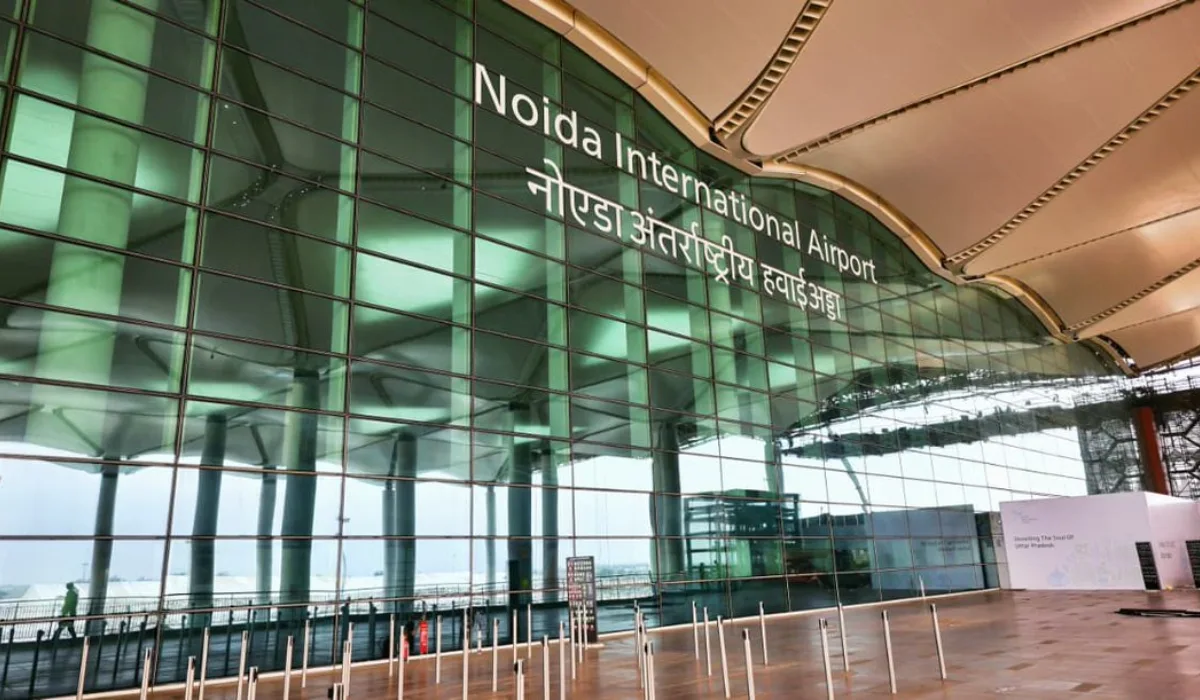
Phase 1 of the airport is designed to handle large-scale operations right from the start. It includes a 3,900-meter runway, capable of accommodating wide-body aircraft for long-haul international flights. Advanced navigation and lighting systems ensure smooth operations in all weather conditions, including low visibility.
The terminal has an initial capacity of 12 million passengers annually, supported by 10 aerobridges and 28 aircraft parking bays. The cargo terminal begins with a capacity of 2.5 lakh tonnes per year, with plans to expand significantly in later phases.
A dedicated maintenance, repair, and overhaul (MRO) facility spread across 40 acres is also part of the infrastructure, strengthening India’s aviation ecosystem. Passengers can expect faster processing times, with check-in designed to take as little as 10 minutes using modern technology.
Jewar Airport Phase 1 Capacity and Future Expansion
At launch, the airport is expected to handle around 150 flights daily, offering both domestic and international connectivity. Over time, the airport will expand to accommodate up to 70 million passengers annually, placing it among the largest airports in the country.
Cargo capacity will also scale up from 2.5 lakh tonnes to 18 lakh tonnes annually, supporting industries that depend on fast and reliable logistics. This expansion is expected to benefit exporters, particularly those dealing in perishable goods. The long-term plan positions the airport as a major aviation hub that complements Delhi’s existing infrastructure while supporting future demand.
Noida International Airport Connectivity Across NCR and Nearby Cities
Connectivity has been a central focus of the airport’s planning. It is well linked via the Yamuna Expressway, providing direct road access from Delhi and nearby cities. Future plans include metro and rail connectivity, along with expanded bus services to improve accessibility.
The airport is designed to work alongside Indira Gandhi International Airport, sharing passenger and flight load to reduce congestion. This dual-airport system is expected to make travel smoother and more efficient across the NCR. For businesses, improved connectivity means reduced transit times and lower logistics costs, while passengers benefit from shorter travel durations and better flight availability.
When the First Flights Begin at Jewar Airport and How to Get There
Commercial flight operations are expected to begin soon after the inauguration, with airlines like Akasa Air already showing interest in operating routes. Both domestic and international services are expected to expand gradually. Travelers can reach the airport via a short drive from Noida using the Yamuna Expressway. Future metro connectivity will further simplify access. With modern systems in place, passengers are advised to arrive slightly early while initial operations stabilize, although the streamlined processes aim to reduce waiting times significantly.
Economic Impact of Jewar Airport: Jobs, Business, and Development
The airport is expected to generate over 1 lakh direct and indirect jobs across sectors such as aviation, hospitality, logistics, and retail. Regions around Noida, Greater Noida, and the Yamuna Expressway are likely to see increased development, including residential and commercial growth.
Lower operational costs at the airport may attract budget airlines, making air travel more accessible and encouraging tourism. At the same time, improved cargo capabilities will help boost exports of agricultural products like dairy, flowers, and fresh produce. The project is widely seen as a catalyst for economic growth in Uttar Pradesh, turning the surrounding region into a key business and logistics hub.
Other Articles to Read:
- Kash Patel Email Hack Claim Raises Major Cybersecurity Alert
- What Happened to Saba Azad? Viral Hospital Pic Has Fans Worried
- Karan Johar Emotional Reaction to Dhurandhar 2 — What He Said About Ranveer Singh
- GATE 2026 Scorecard Download Live, COAP and CCMT Dates
- Shaadi-wadi?’ Karan Kundrra Drops a Hint on Tejasswi — Fans Think Wedding Is Near