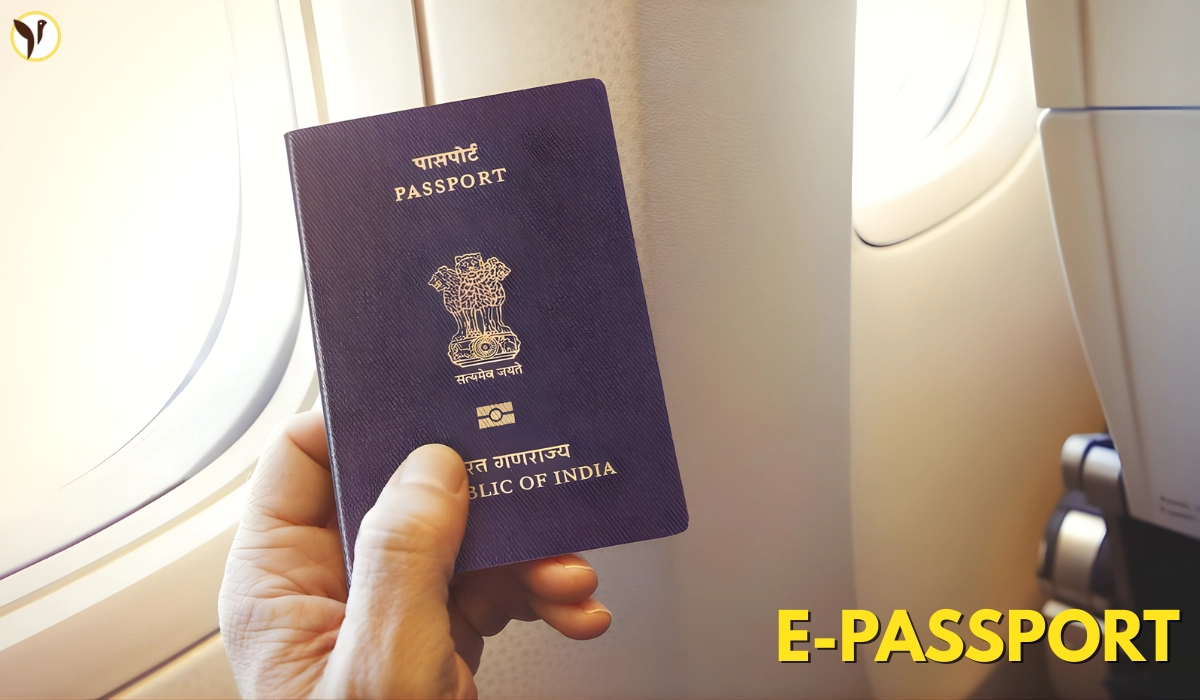


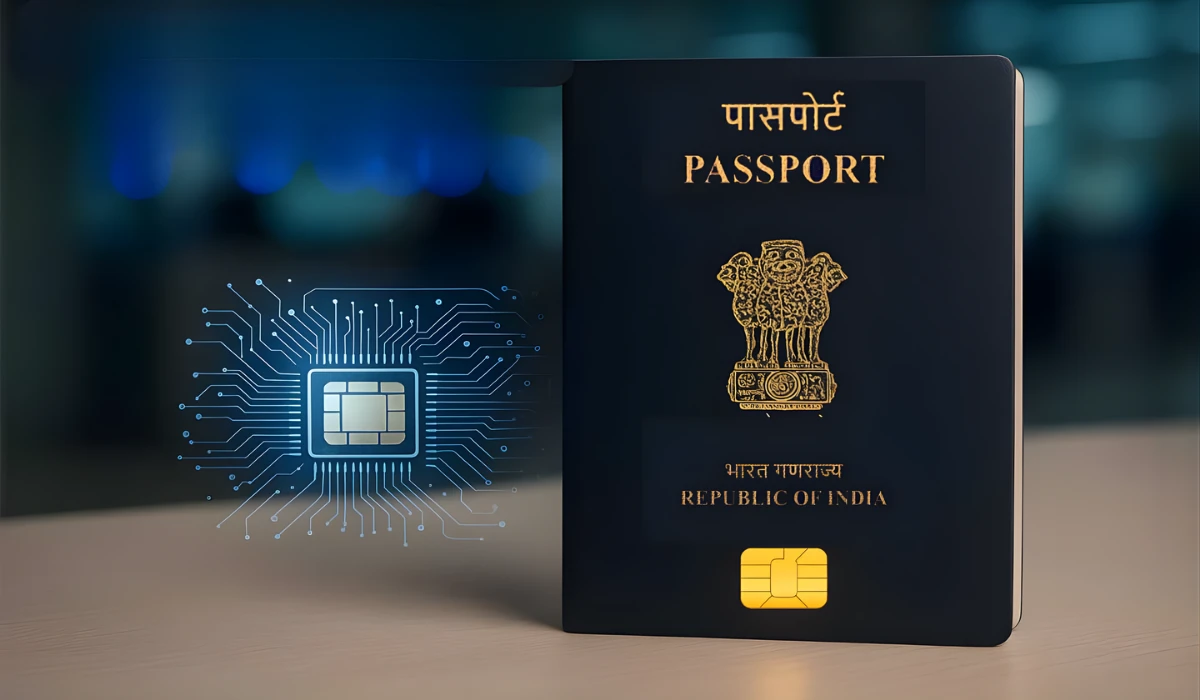
The Indian government is rolling out E-Passports, a modern, biometric passport that makes travel faster, safer, and more convenient. With a small embedded chip storing your personal and biometric data, e-passports reduce fraud, cut waiting times at immigration, and are recognized globally. This article covers eligibility, fees, application centres, benefits, and step-by-step application details for Indian citizens in 2026.
E-Passport India Eligibility Criteria
Any Indian citizen eligible for a regular passport can apply for an E-Passport. This includes:
- Fresh applicants over 18 years old
- Children under 18
- Renewals for expiring passports
- Replacements for lost passports
- NRIs with valid proof of Indian citizenship (Aadhaar, Voter ID, etc.)
No extra tests or special documents are required beyond standard checks. Police verification is done after issuance in most cases, making the process smooth.Fee concessions for Seniors above 60 and minors over 8 will get a 10% discount on new passport applications.
E-Passport Application Fees Breakdown
|
|
|
|
|
|
|
|
|
|
|
|
|
|
|
Passport Seva Kendras and POPSKs for E-Passport
Over 500 Passport Seva Kendras (PSKs) and Post Office Passport Seva Kendras (POPSKs) handle E-Passport applications across India. Big cities have multiple centres, while rural areas can access POPSKs for easier convenience.
|
|
|
|
|
|
|
|
|
|
|
|
|
|
|
How to Apply for an E-Passport: Step-by-Step Guide
- Register/Login on passportindia.gov.in
- Select type: Fresh, Renewal, or Re-issue
- Fill in details and upload scanned Aadhaar, PAN, and photos
- Pay the application fees and book an appointment
- Visit your PSK with original documents
- Biometric data (fingerprints, iris scan, photo) is captured on-site
- Track application status online Normal: 30 days & Tatkal: 1–7 days
- Passport is delivered via India Post (speed post for remote areas)
- Track using SMS or portal with your file number
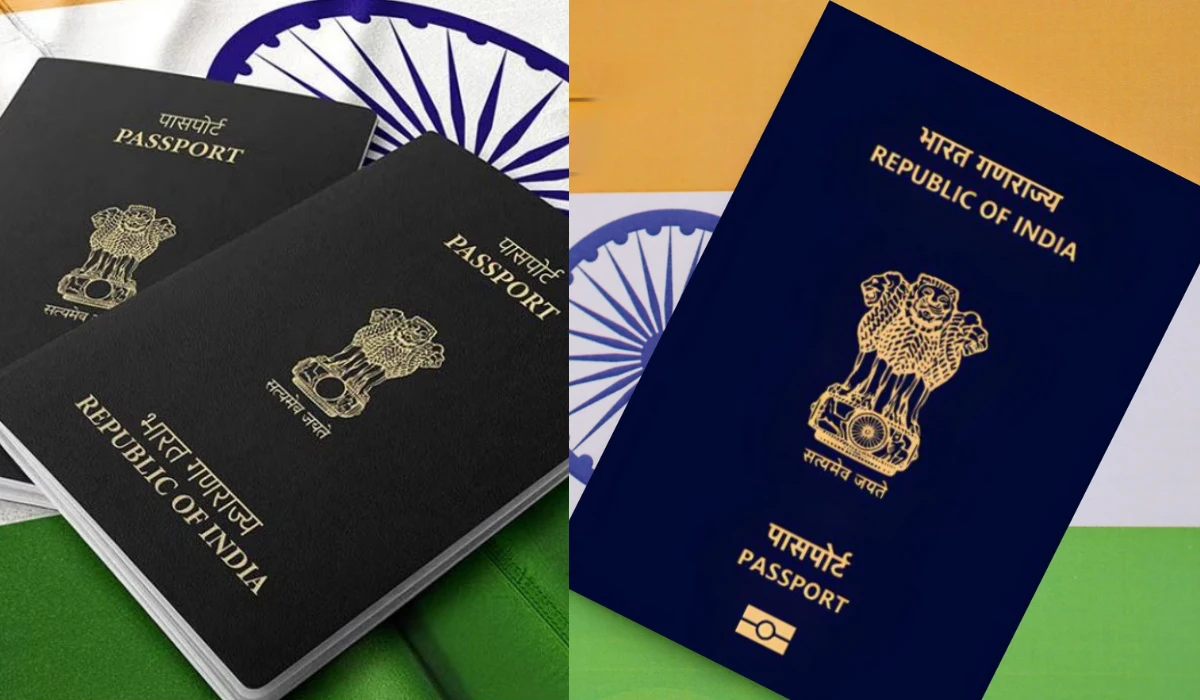
E-Passport Vs Regular Passport
|
|
|
|
|
|
|
|
|
|
|
|
|
|
|
|
|
|
|
|
Key Benefits of Biometric E-Passport
The Biometric E-Passport Provides the Following to Travelers:
- The embedded RFID Chip helps eliminate passporting counterfeiting.
- Faster Immigration Processing at e-Gates in Airports such as Dubai and Singapore.
- Encrypted data ensures that your Personal Identity remains private.
- The elimination of worn pages and manual passport checks at Borders or Entry Points.
- Biometric recognition occurring globally increases travel access and convenience.
- Airport E-Passport Scanners provide an Exact Biometric Match for Fast and Seamless Processing at all International Border Crossing Points.
Common Mistakes to Avoid in E-Passport Applications
Many applicants face delays because of small mistakes. Some forget to carry extra photographs or enter names that do not match their Aadhaar details, which can lead to rescheduled appointments. Always check your uploaded documents carefully before making the payment and carry both original documents and photocopies to the PSK. Also, be prepared for biometric capture by keeping your hands clean for fingerprint scans. Try to reach the PSK at least 15 minutes early to avoid rush and confusion. Using the pre-appointment checklist on the portal can help ensure a smooth and timely E-Passport application process.
Why E-Passport Boosts Indian Travel in 2026
- Trusted by global hubs, reducing border delays
- Families save hours at immigration, making trips faster and smoother
- Strengthens Digital India initiative by combining technology with everyday travel needs
- Government plans a full switch to e-passports by 2027