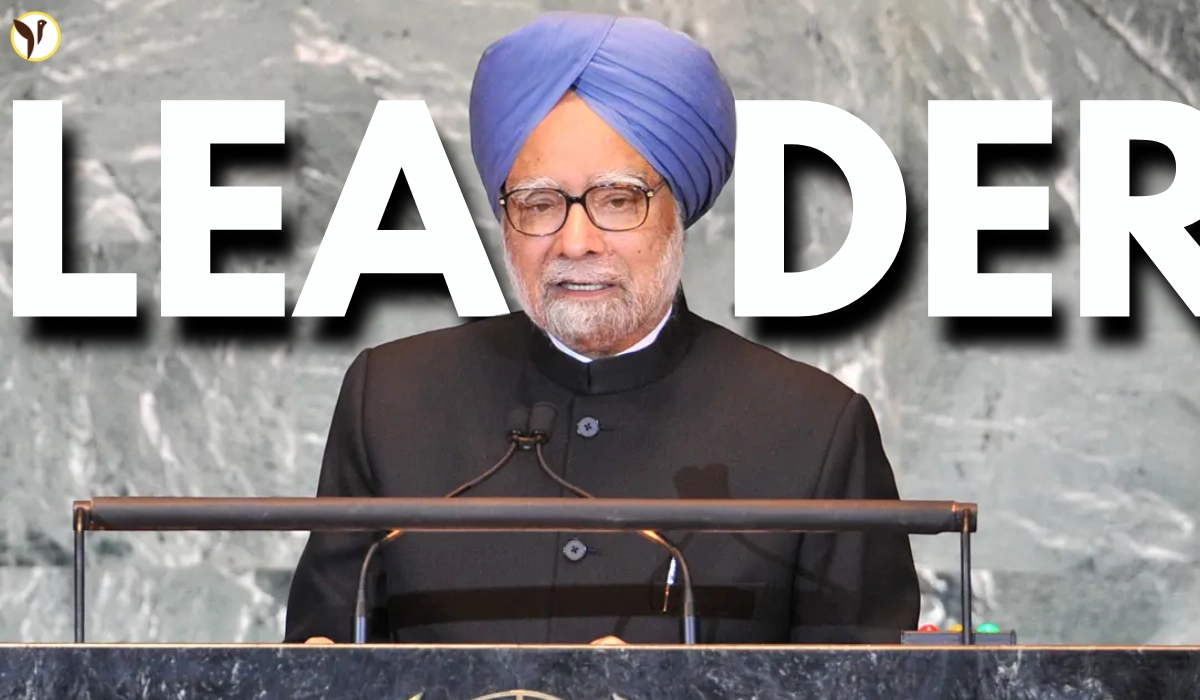


There are leaders that scream in order for their voices to be heard, while there are leaders who will allow their work to speak for itself. Dr. Manmohan Singh falls into the latter category.
In the chaotic world of politics today, it might be easy to forget that there was a Prime Minister of India who did not raise his voice too often but was able to fundamentally change the economic way of life for India, change the way the world viewed India, and create an aspiration of the middle-class.
While this is more than just a political story, it is about the areas of reform, restraint and resilience.
Let’s take a closer look at who Manmohan Singh was, what he did for the country, and why his legacy is still impacting India today.
From a Small Village to the World Stage
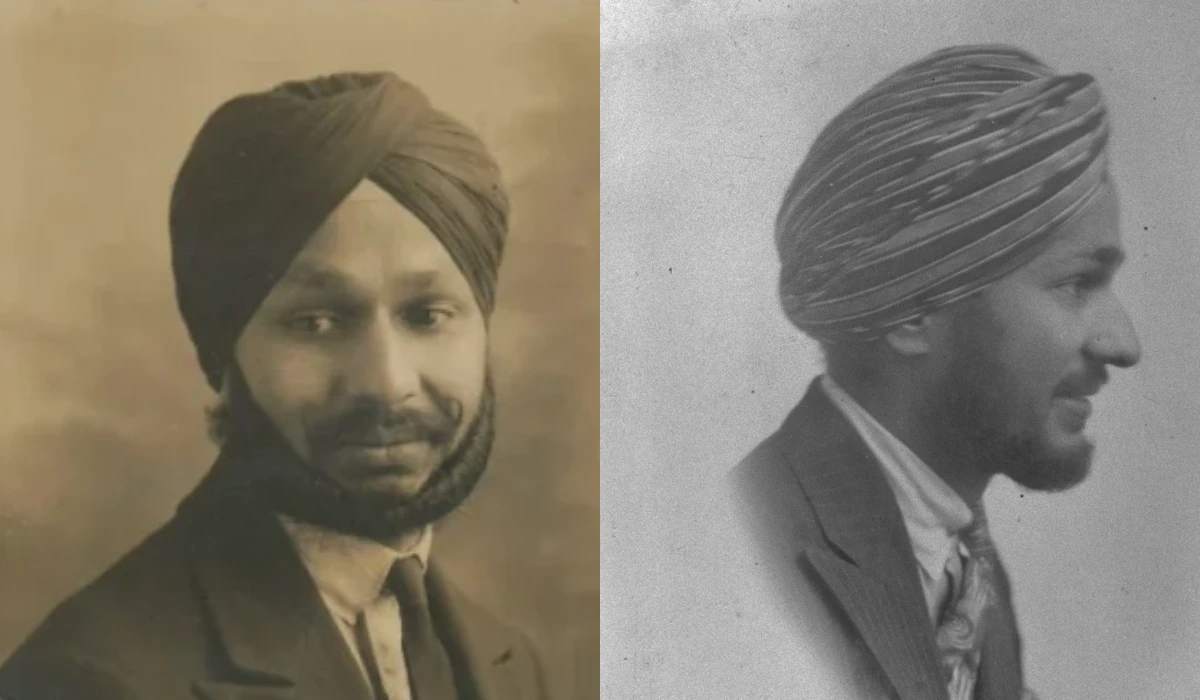
Dr. Manmohan Singh was not born into a powerful political family - he did not start his life through access to power corridors - but on 26th September 1932, he came into this world as an ordinary person from the town of Gah (now in Pakistan). He lived in a house where money was scarce; however, he had a strong desire to learn from a very young age.
He attended several reputed universities such as
- University of Punjab
- University of Cambridge
- University of Oxford
Very few leaders in India have such impressive educational credentials as well as fewer that harnessed their education to serve the public rather than for personal benefit. Dr. Singh was interested in finding solutions, not acquiring power. His formative years influenced his belief that the foundation of national dignity is the stability of the economy, a value that informed his largest decision during his political tenure.
The 1991 Economic Crisis That Changed Everything
In 1991, India was on the verge of collapse. Its foreign exchange reserves were nearly depleted; there was no food; inflation was on the rise, and the government was about to default.
Then came Finance Minister Manmohan Singh.
Rather than implementing temporary solutions, he decided to implement structural reform; this was a risky and bold step to take at that time. Many people felt threatened by the idea of foreign control, loss of jobs, and losing control of the economy to foreign interests. Mr Singh viewed this as an opportunity to develop.
Some major reforms included:
- Termination of the Licence Raj.
- Opening up India to foreign investment.
- Reduction in import tariffs.
- Promotion of entrepreneurial activities.
Mr Singh didn’t simply stabilise India’s economy; he rewired it. The emergence of India as a start-up nation, a hub for IT exports, and a participant in the global trading system can all be traced back to Mr Singh's reforms. The most astonishing aspect is that Mr Singh was able to accomplish this massive transformation without creating any huge commotion, using only sound data, an unwavering determination, and the necessary time needed to achieve it.
Becoming Prime Minister Without Chasing the Chair
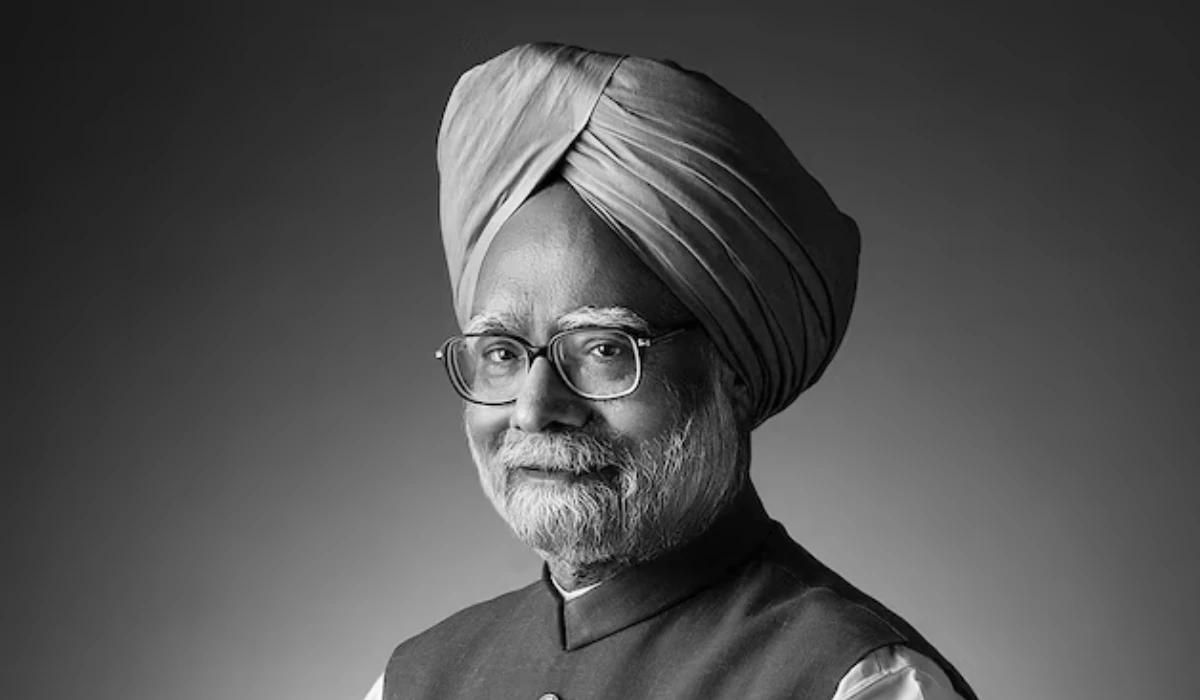
In 2004 , the political landscape in India changed dramatically with the appointment of a new Prime Minister who was better known for making spreadsheets than making speeches.
Dr. Manmohan Singh was not a typical candidate running for office; in fact he was one of the first prime ministers in the history of India to win two consecutive terms (2004-2014) while serving as such.
The political environment during Dr. Singh's administration included the following key characteristics
- Focus on Inclusive Growth
- Increase in the Scale and Scope of Welfare Programs
- Enhancement of India's Global Standing
Many Indians observed this time as being politically stable, with fewer occurrences of political upheaval or major crises, and greater emphasis on accountable governance. Dr. Singh strongly supported the view that sound economic policy creates sound political policy, and that while this might not create immediate headlines, it will lead to the long-term establishment of India as a global power.
Landmark Policies That Touched Everyday Lives
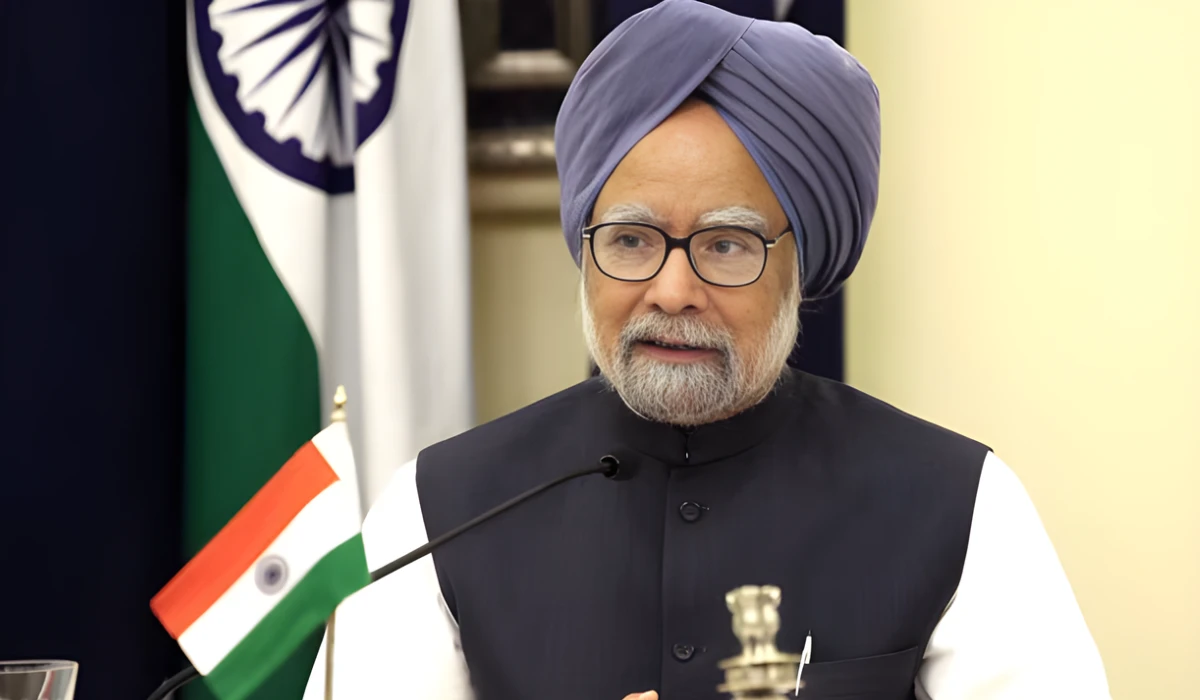
Manmohan Singh has been slammed by his critics for not being aggressive enough politically, yet his policies had a profound personal impact on millions.
Major policy initiatives included:
- Strengthening transparency through Right to Information (RTI)
- Providing rural employment through MNREGA
- Expanding education and health spending
- Building global trust through the Indo-US Nuclear Deal
None of these initiatives received any fanfare upon launch; but, they were all long-term investments in the future strength of India’s social and economic fabric. In particular, the RTI empowered citizens in ways that few other laws have, enabling citizens to hold their governments accountable—regardless of the party affiliation.
India on the Global Map: Soft Power, Strong Presence
Under Singh’s leadership, India’s international image evolved. The country began to be seen as a serious, responsible global player, not just a developing economy.
He strengthened ties with
- United States
- European Union
- ASEAN nations
The Indo-US Nuclear Agreement was a turning point. It ended India’s nuclear isolation and opened doors for strategic cooperation. Singh faced heavy political opposition for it—but stood firm, believing India’s long-term interests mattered more than short-term criticism.
Other Articles to Read
Why One Government Decision Changes Your Daily Life
Tamil Nadu SIR Draft Roll: Check Your Name Before Voting
Who Are Sajid Akram Bondi and Naveed Akram? Full Background, Family Links
Criticism, Silence, and the Man Behind the Calm
Leaders have always been subjected to criticism, and the same holds true for Manmohan Singh’s second term of office where singularly there were numerous allegations of corruption within his government, although he himself was not personally accused.
Critics of Singh have contended that he was too silent and restrained in response to the numerous allegations made against him and his government. They have argued that his lack of response showed a weakness in his leadership.
Supporters of Singh, on the other hand, have pointed out:
- Singh had respect for institutions,
- Singh avoided populism and
- Singh believed that governance was not an act of theatre.
Singh showed very little emotional response. He believed simple philosophy: The filter for judging policies would be history—not soundbites. In a time when politics have been very aggressive, his quietness frequently became his loudest statement.
The Ideas of Manmohan Singh Still Matter.
Years after leaving office, many of Singh's thoughts and ideas about reform, welfare, and fiscal responsibility continue to shape discussions about these topics in India. When People in India have conversations about Economic Liberalisation, Balancing Social Expenditure, and Global Trade – Manmohan Singh is invoked in these conversations.
What Manmohan Singh Represents For Young Indians
- Manmohan Singh Represents "Merit Over Marketing"
- Manmohan Singh Represents "Expertise Over Ego".
- Manmohan Singh Represents "Substance Over Style".
Manmohan Singh is a reminder that leadership does not need to be about looking dominant or in control; leadership can be exceptionally impactful when executed properly.
Final Thoughts
Manmohan Singh's narrative stands out as something of a departure from the present atmosphere of viral politics and instant reactions. He exemplifies how the process of nation-building is frequently a lengthy, technical, and not particularly appealing endeavour. Nevertheless, it is a critical component of nation-building.
Rather than making promises for great things to occur, he built fundamental infrastructures. Consequently, many years after completion of these infrastructures, one can still observe how India was affected by a series of thoughtful, deliberate and confident decisions that were made in the past by Manmohan Singh.