
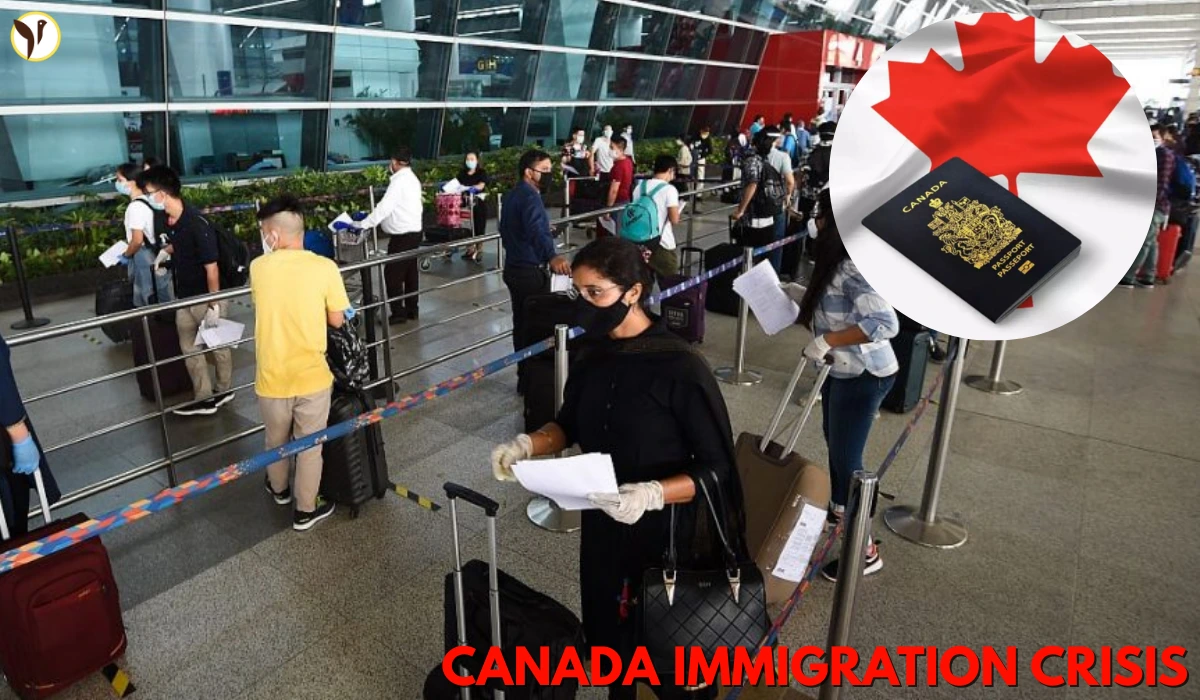


Life in Canada has become uncertain for many Indian families. People who moved for work and education built stable lives and supported families back home. New immigration rules have suddenly made visa renewals difficult and permanent residency harder to achieve. Work permits and study permits are expiring with fewer approval options available. This article covers the key reasons behind the crisis, who is affected, and the possible options ahead for Indians in Canada.
Canada Immigration Crisis 2026: The Impact on Indian Migrants
In an attempt to align temporary resident numbers with Canada’s ability to supply housing and services to newcomers, Canada has instituted a reduction in the number of temporary residents being allowed into the country. As Canada’s largest migrant population, Indians are feeling this impact more acutely than any other nationality. Many of the Indians who migrated to Canada did so under relaxed post-pandemic immigration policies and had planned to remain in Canada permanently; instead, many are finding themselves with their dreams of continued stability being dashed as the door to their future becomes shut. The members of these communities are struggling to adapt, and their dreams of a better life and stability are vanishing rapidly.

New Canada Visa Rules 2026: Key Changes Affecting Indians
Straightforward explanation of the new rules that reshaped Canada’s immigration system:
- Temporary Residents Cap Slashed: Reduced by 20% to 395,000 spots each year through 2028. Earlier, Indians took around 25% of these spots. Now, far fewer openings are available.
- Work Permit Extensions Axed: Automatic or easy extensions are no longer allowed. Applicants must show strong job proof and may face gaps between permits.
- Open Work Permits Gone: Spouses and students can no longer work freely. They are now limited to specific jobs and roles only.
- Study Permits Cut 50%: Only approved top-tier institutions qualify. Renewals are allowed only for selected programs under strict lists.
- PGWP Rules Tightened: Post-graduation work permits now cover fewer fields and offer shorter validity periods.
- Express Entry Points Jumped: PR invitations now require scores of 550 or higher. Language scores alone are no longer enough.
- Family Sponsorship Slowed: Processing delays have reached up to 18 months, with fewer slots released each year.
- Asylum Checks Faster: Weak or poorly documented claims are rejected quickly and may lead to bans.

Work Permit Expiry Crisis: Why 1 Million Indians Cannot Renew
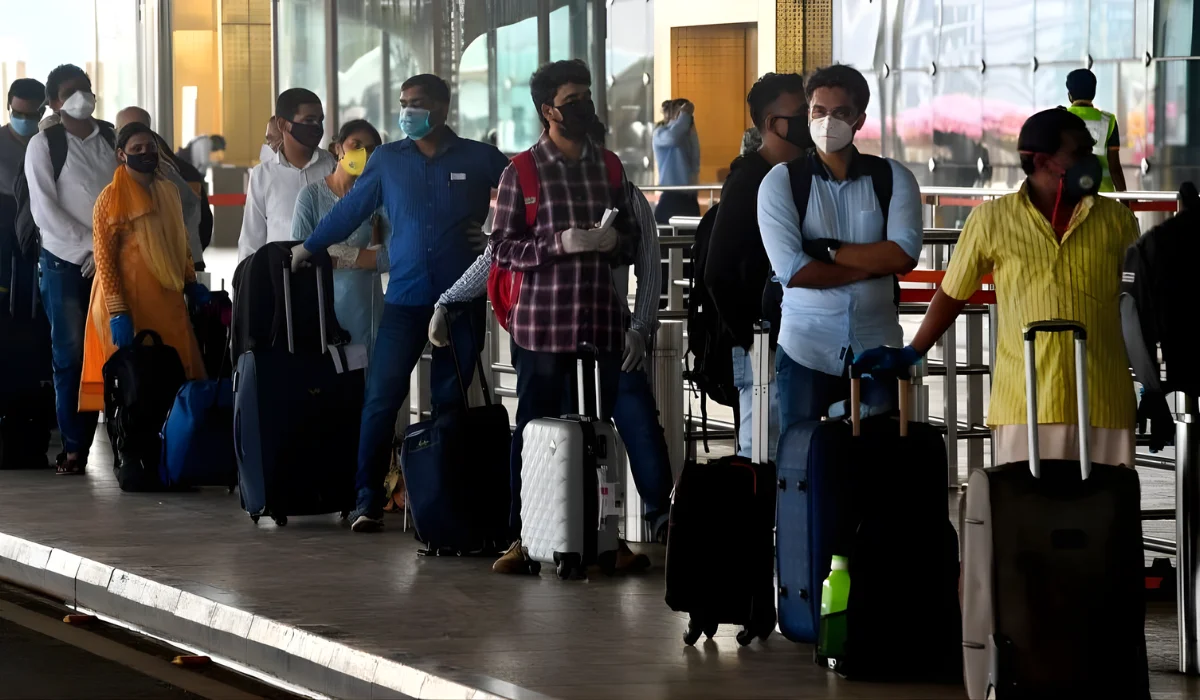
Work permits in Canada typically last for two to three years. Many Indians got work permits after COVID to work in the trucking, IT, and other sectors. As these work permits are ending now, there are approximately one million that will expire between 2025 and 2026 alone. The majority of the people affected by this issue are Indians, as many transitioned from student visa to work permit holders. Without the ability to renew their work permits, many of these individuals are now unable to work legally. Consequently, their income has ceased or has been terminated. Many of them now have no means of supporting themselves while living in Canada and are now struggling financially both in Canada and back home in India. For many of these workers, they started to earn in Canada after moving from India, but cannot now continue working in Canada due to immigration policy.
Deportation Risk and Legal Challenges
Cities are increasing their enforcement of laws regarding undocumented immigrants. Those without valid work permits are now being served with notice of the possible removal/deportation process. The timeframe to appeal, as well as the number of appeals that are granted, is increasing as well. As a result, families will experience separation or will have to leave the country together. Many Indians who live in the United States are feeling an increased level of anxiety about their status. In addition, living without legal documentation makes it very difficult for people to work, access financial institutions, and secure housing. It also disrupts their children's education.
What Can Indians Do to Protect Their Status
Although this situation is serious, there are several ways that Indians can take to mitigate their risk of deportation. Following are some potential steps:
- Early Application for PR: Before permits expire, Indians should check their eligibility for either the Express Entry (EE) Program or the Provincial Nominee Program (PNP).
- Seek Legal Advice: Using an immigration consultant or an immigration lawyer can assist Indians in identifying all available options.
- Look Into Other Employment Pathways: Certain provinces remain open to recruiting skilled labourers.
- Maintain Clean Records: Indians must be diligent about remaining in compliance, as any illegal activity (such as having overstayed or being in the workforce without immigration authorization) will affect their future options.
- Voluntary Departure: When status is about to expire, Indians can voluntarily leave the country, as it will afford them additional opportunities to apply for a new visa at a future date.
Acting in a timely manner with complete and accurate knowledge of current events will help you stay in compliance with U.S. immigration laws and lessen your chances of becoming an undocumented immigrant.
OTHER ARTICLES TO READ:
- Was the Flight Really Missing Since 2014? The MH370 Mystery Explained
- After the New Year Party in Gurgaon: Drunk Driving Surge and Safety Tips
- What Made Urvashi Rautela’s Mom’s Birthday Celebration So Special?
- GATE 2026 Admit Card Postponed: When and How to Check
- Prabhas' Shocking New Avatar in Spirit Sparks Wild Reactions
- Kullu Road Accident Turns Celebration into Tragedy, Four Friends Dead
- When Is India Playing Next? Full 2026 Cricket Schedule
- What’s Happening in Indore? Water Contamination Crisis Explained
- Shah Rukh Khan Called a ‘Traitor’ by BJP Leader: Controversy Explained
Looking Ahead: Planning Canada Visa Uncertainty for Indians
The changes in Canada’s immigration system are challenging, but staying aware and proactive can make a big difference. Keep track of visa and work permit dates, stay updated on policy changes, and seek expert guidance when needed. By planning ahead and following the rules carefully, Indians can better protect their families, jobs, and future opportunities in Canada. Awareness and timely action are key to navigating this uncertain period successfully.