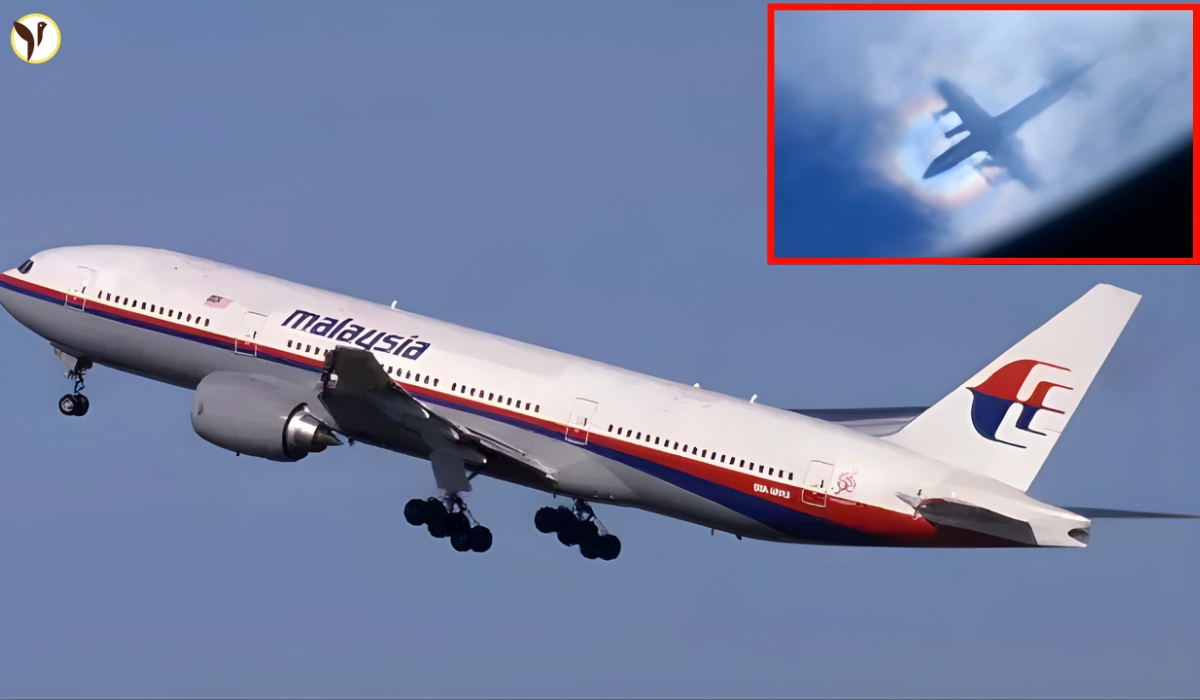


Disappearance of Malaysia Airlines Flight MH370 over 11 years ago created one of aviation's biggest mysteries. Multiple search efforts for the aircraft were launched until 2026, when a new search in the Indian Ocean renewed hopes of finding answers.The following guide will discuss the case surrounding Malaysia Airlines Flight MH370, as well as provide updates and new information on the search for the plane and its passengers.
MH370 Disappearance Timeline
On March 8, 2014, the Boeing 777 departed Kuala Lumpur Airport at 12:41 a.m. local time, headed towards Beijing with 239 people on board. The aircraft was functioning perfectly well until 1:19 a.m. when the pilot made his last communication with Air Traffic Control over the South China Sea. Shortly after, the aircraft's transponder became inactive and lost communication and visibility from radar as it continued flying. As soon as the military radar found the aircraft and tracked it until fuel exhaustion probably occurred around 8:19 a.m., search areas for the aircraft changed from Southeast Asia to the remote southern Indian Ocean based on the satellite pings received from it. The lack of any distress call left all searching agencies and personnel dumbfounded.
Key moments unfolded like this:
- 1:21 a.m.: Vanishes from civilian radar.
- 2:22 a.m.: Last military radar contact northwest of Penang.
- 2:25 a.m.: Satellite system reboots, sending hourly pings.
- 8:19 a.m.: Final ping; plane presumed crashed
Who Was on MH370 Flight
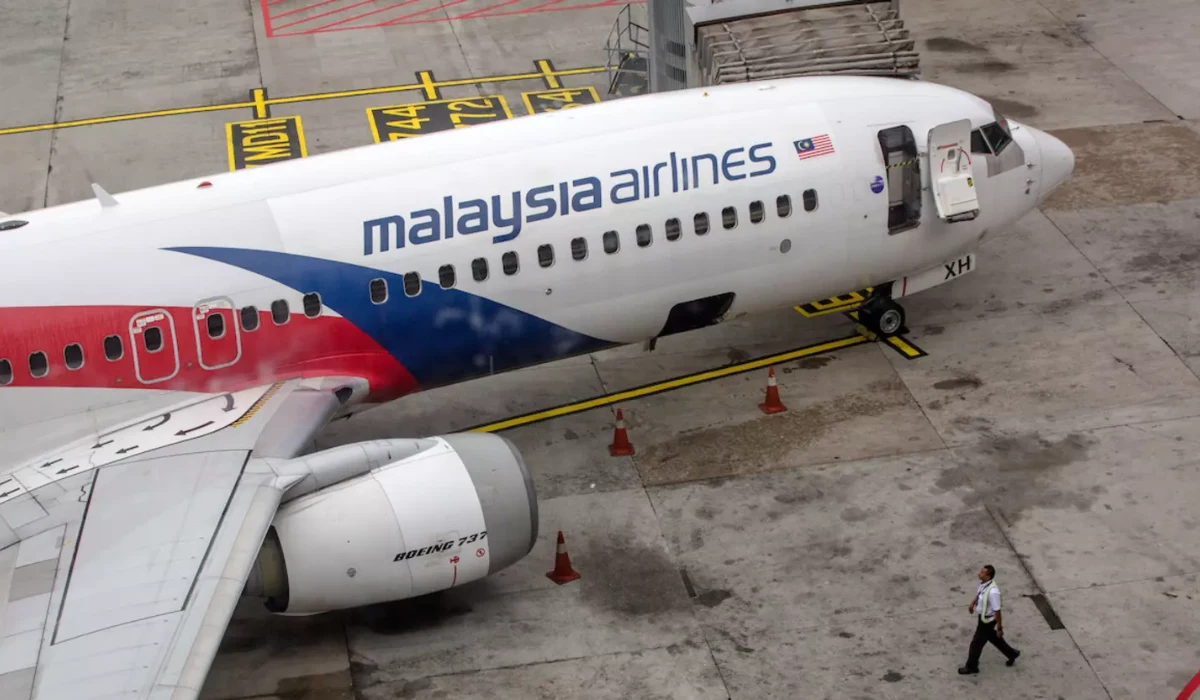
Thinking back to the flight, it was filled with families, creators and technology specialists who all had visions for the future. The total number of passengers was 227 and there were 14 nationalities represented, including 153 from China and the remaining 50 were from Malaysia, India and Australia among others. The majority of the Chinese calligraphy artists were returning to China from the Art Exhibit, and 20 of the employees of Freescale Semiconductors were returning to Malaysia.
The captain and co-pilot on board were Captain Zaharie Ahmad Shah, who was 53 years old with 18,365 hours of flight experience, and his co-pilot was First Officer Fariq Abdul Hamid who was 27 years old and making his last flight for the purpose of training. There were 10 other cabin crew members who were responsible for making the flight a pleasant experience for all passengers on board. Families left behind in China were devastated, waiting each passing day for an update on the status of the flight.
|
|
|
|
|
|
|
|
|
|
|
|
|
|
|
|
|
|
|
|
|
|
|
|
|
|
|
|
|
|
|
|
|
|
|
|
|
|
|
|
MH370 Search History Deep Dive
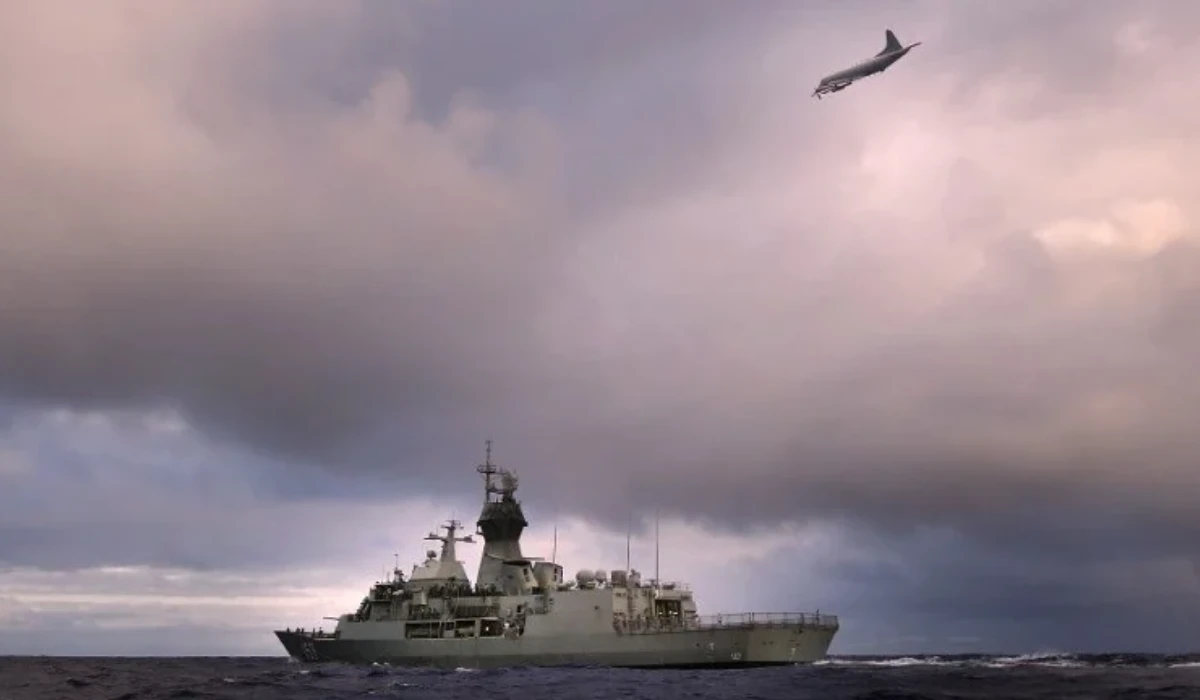
Starting in the early days of the search for MH370, searches began on the Gulf of Thailand and Andaman Sea areas; however, through the use of satellite data, searches were directed to the south. A massive effort was led by Australia from 2014-2017, covering an area of 120,000 square kilometres of seabed at a cost of $155 million (the most expensive search in aviation history). Using vessels such as the Ocean Shield, searches were conducted for “pings,” or signals from the black boxes, though the batteries for these signals had died without finding anything.
Subsequently, evidence of MH370’s wreckage started coming in. In July 2015, a flaperon was found on Réunion Island, which was confirmed to be part of MH370. More than 20 pieces of debris made landfall along the shores of Africa and Madagascar, having travelled there through ocean currents. By establishing models for these pieces of debris, analysts were able to reconstruct the area where MH370 crashed.
In 2018, Ocean Infinity conducted a “no find, no fee” search over 112,000 square kilometres of ocean using autonomous underwater vehicles (AUVs) before having to pause due to inclement weather. The financial burden for this search was shared between the governments of Malaysia (58%), Australia (32%), and China (10%). In light of continuing frustration due to dead ends in the searches, the families of passengers on-board MH370 urged for further investigation.

Latest MH370 News 2026 Update
On December 30, 2025, Malaysia will resume searching for MH370 and continue to search into 2026. The Vessel Armada 8605 arrived at the search area in the southern Indian Ocean with two underwater drones. Ocean Infinity is a partner on this project, and will be utilizing their latest development in underwater robotic technology, with the "no find, no fee" agreement giving them the best opportunities for finding the aircraft within the areas of highest probability as determined by the new data collected to date.
The duration of this phase of searching is up to a maximum of 55 days (dependent upon weather conditions), and was originally scheduled to start at the beginning of March 2025, but had to halt after being on-site for several weeks due to bad weather conditions. Many officials feel that technological advances have a higher likelihood of being successful at this time. For many of the families associated with this tragedy, particularly those of Chinese descent, this update is long awaited since it has been over a decade since the event occurred.
So, why is there renewed hope for finding the aircraft now? Due to ongoing development in drifting vessel modelling and satellite arcs, industry experts were able to refine previous models and determine "the seventh arc," which defines the line on which the last ping from MH370 was received. As of yet, there are no major discoveries pertaining to the aircraft; however, there remains a small spark of hope for the families associated with this event.
MH370 Theories Explained Simply
There is one theory about the missing pieces of puzzle which is a Pilot suicide theory. The Captain of the flight, Zaharie, had a simulator at home that had route specs for the southern Indian Ocean and he would have had access to the simulator while he was flying. This theory is that Captain Zaharie flew the plane manually before turning everything off and flying until he ran out of gas. The evidence that fits with this theory is everything that is left on the radar and the pings but it does not explain the motive, if there was a motive for this scenario, such as bank problems, political problems or other issues the pilot may have had.
Hypoxia hits next, which means the cabin will not have enough air. As a result, everyone in the cabin of the aircraft will pass out. The aircraft will then fly on autopilot. The hypoxia theory does help explain why there was no mayday call made (maydays are made when a pilot is conscious), but it does not explain the sharp turns the aircraft took before it lost control and why the aircraft transponder was off during that time. The aircraft could have been hijacked. There were two Iranians that had fake passports but were still able to board the aircraft; however, they passed all background checks. Was there a fire in the cargo hold due to the lithium batteries in the cargo? The debris from the crash showed no signs of being burned.
|
|
|
|
|
|
|
|
|
|
|
|
|
|
|
|
|
|
|
|
MH370 Survivors Status Today
All passengers and crew members of the flight did not survive the 2014 crash. The wreckage found washed up on the coastline supports that the Boeing 777 crashed into the southern Indian Ocean after losing fuel. Those lost in the accident had families who wanted answers, but none had surfaced in 11 years.
While grieving, families use support groups and continue advocating for the groundbreaking 2026 search. They were not looking for miracles, but they hoped to find closure through this search.
Families' Ongoing Pain
Chinese relatives hold yearly memorials in Beijing, while Malaysian kin file lawsuits for truth. The fresh Ocean Infinity hunt offers hope for wreckage, easing their endless wait.
Texas firm restarts search for Flight 370, one of aviation's greatest mysteries.https://t.co/q2r5cpwylr pic.twitter.com/Yl7k1OoxI6
— FOX SA (@KABBFOX29) January 2, 2026
What's Next for MH370 Hunt
Ocean Infinity's robots scour the 7th arc this month, chasing shadows in 4,000-meter depths. A single black box could rewrite hist
ory—pilot's last words, final turns. Families watch, world wonders: will 2026 end the riddle? Stay tuned as scans unfold.
Other Articles to Read:
- Shah Rukh Khan Called a ‘Traitor’ by BJP Leader: Controversy Explained
- Did CBSE 2026 Exams Get Postponed? Check Full Details
- Blues vs Avalanche: Live Stream, TV Channel, and Start Time
- Gig Workers Call NYE Strike: Will Swiggy & Zomato Deliver in Your City?
- Did Veer Pahariya Get Upset? Orry Reacts to Tara Sutaria’s AP Dhillon Kiss
- Priyanka Gandhi's Son Raihan's Secret Engagement: With Aviva Baig
- Why the New Malcolm in the Middle Teaser Is Breaking the Internet
- How Rich Is Beyonce Really? Her Net Worth Secret Finally Out
- Kumar Mangalam Birla on KBC 17 Hot Seat: What Shocked Big B
- What Made Urvashi Rautela’s Mom’s Birthday Celebration So Special?
- GATE 2026 Admit Card Postponed: When and How to Check
- New Rules 2026 in India: What Big Changes Are Coming This Year?
- After the New Year Party in Gurgaon: Drunk Driving Surge and Safety Tips