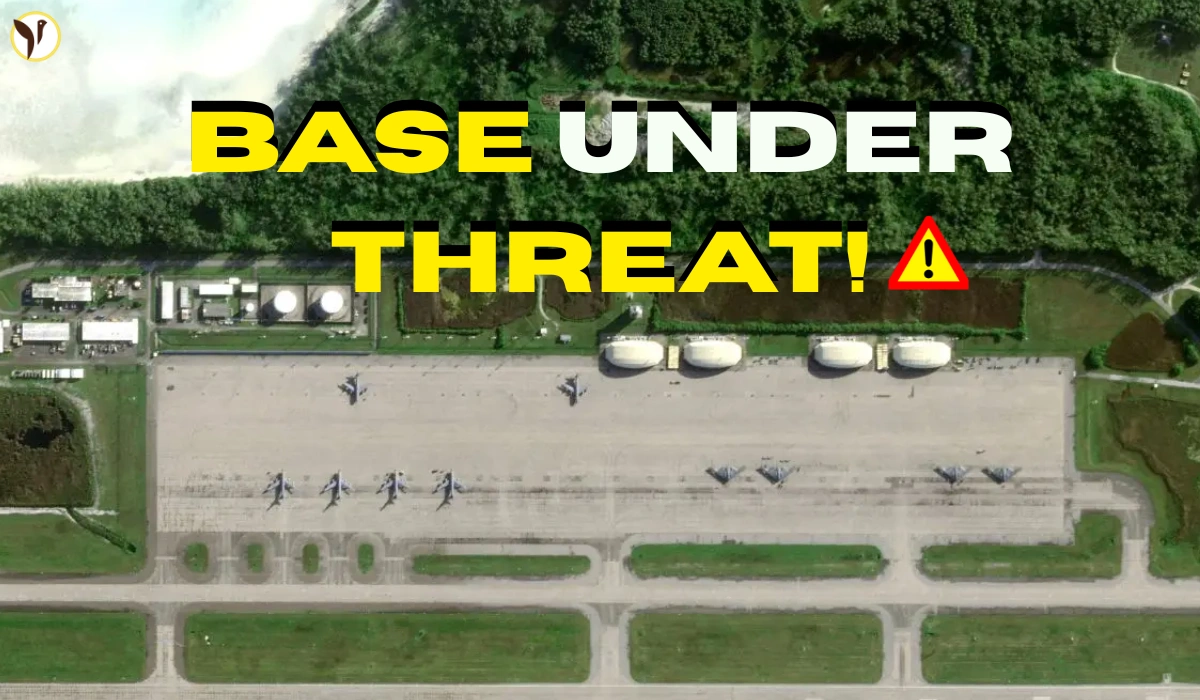


Right now there is a significant global political change happening before us. News has surfaced that Iran launched two missiles into the air targeting Diego Garcia which is both a US and UK military base; one was shot down before reaching the target and the other exploded while in the air. Neither missile hit its target (the base), but it sends a strong message to the world since Iran has shown its ability to launch missiles almost 4,000 km away. This has created new fears over how military power is distributed in today’s world and whether all bases around the world can remain safe and secure.
Why Diego Garcia Is Now at the Center of Tensions
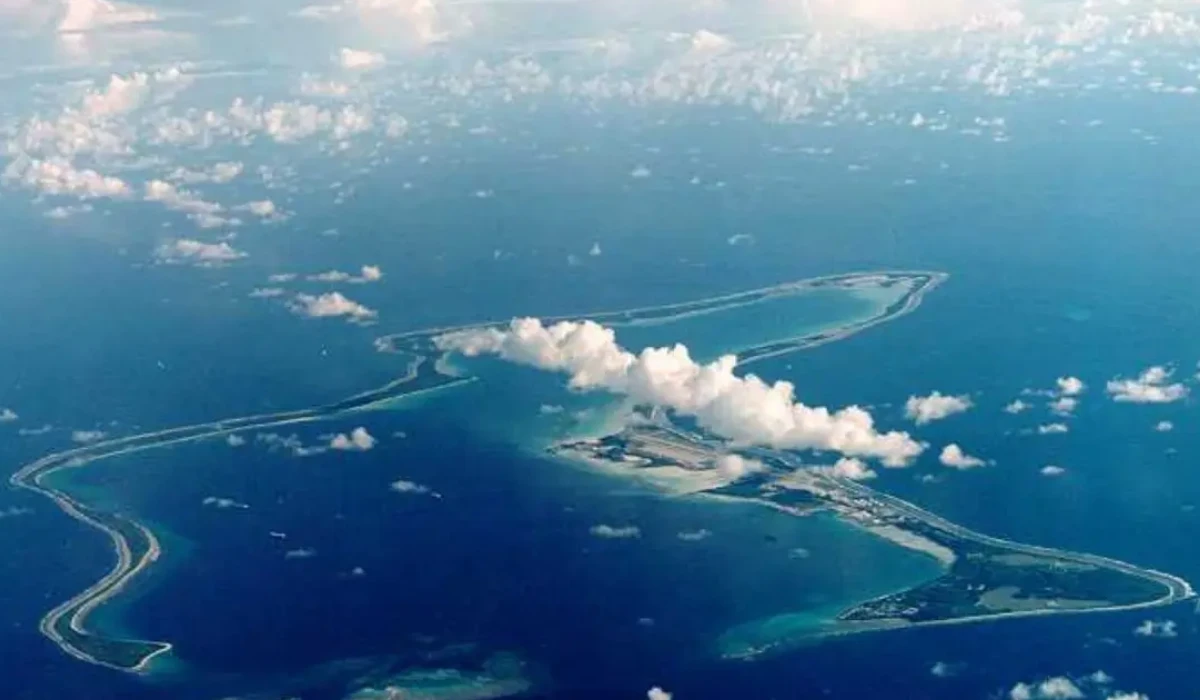
You might not hear about Diego Garcia daily, but it is one of the most strategically important military bases in the world.
Located deep in the Indian Ocean, this base acts as a launchpad for operations across Asia, the Middle East, and Africa. Its remote position made it a “safe zone” for decades. That perception is now under pressure.
Key roles of Diego Garcia:
- Base for long-range bombers and stealth aircraft
- Naval hub for submarines and fleet operations
- Surveillance center monitoring global sea routes
- Logistics backbone for overseas missions
This is why any threat to this base is taken seriously worldwide.
Missile Launch: What Exactly Happened
The sequence of events clearly shows both intent and capability.
Key developments:
- Two ballistic missiles launched from Iranian territory
- First missile failed during flight
- Second missile intercepted by defense systems
- No physical damage to the base
Even though the attack did not succeed, the demonstration of range has triggered global security discussions.
BREAKING: 🇮🇷🇺🇸🇬🇧 Iran shows its missiles can reach far beyond the Middle East...
— D (@Deb_livnletliv) March 21, 2026
Launches two intermediate range ballistic missiles toward Diego Garcia Airbase sitting 4,000 kilometers away in the middle of the Indian Ocean.
Neither hit the base, but the message hits harder.… pic.twitter.com/r7Rlg14ZrZ
Iran’s 4,000 KM Capability Changes the Game
Earlier, Iran publicly maintained a missile range of about 2,000 km. This new development suggests that its capabilities extend much further.
What this means strategically:
- Long-distance bases are no longer completely secure
- Military planners must rethink defense coverage
- Global deterrence equations are shifting
This is not just a regional issue anymore. It has global implications.
Why This Target Sends a Strong Signal
You may ask why this base was chosen. The answer lies in its strategic weight.
Reasons behind targeting:
- It supports bomber missions in sensitive regions
- It houses critical naval assets
- It represents Western military reach
- It is located far from traditional conflict zones
Targeting such a base signals capability, not just intent.
Defense Systems That Prevented Impact
The interception highlights the strength of modern defense systems.
Key protection layers:
- Advanced radar detection systems
- Surface-to-air missile interceptors
- Multi-layered defense coordination
The second missile was neutralized well before reaching the base, showing preparedness.
Other Articles to Read
- Diesel Price Shock: ₹22 Jump Triggers City Wise Cost Surge Across Sectors
- Dhurandhar Cost Shock: Budget, Fees & Box Office Secrets Out Now!
- Call Me Bae Season 2 Just Got More Interesting With This New Entry
- Justin Timberlake Career In Danger After Arrest Video Brings Back Case
- RCB vs SRH Tickets Are Selling Fast — Here’s How to Book Now
Regional Impact You Should Track
This development affects more than just military circles.
Immediate ripple effects:
- Increased military alertness in nearby regions
- Closer monitoring of missile movements
- Strategic reassessment by multiple countries
Countries dependent on stable trade routes are especially concerned.
Final Thoughts
This is not just a failed strike. It is a clear demonstration that modern missile technology is reshaping global security assumptions. Distance no longer guarantees safety, and even remote bases are now part of the strategic equation.
For you, the impact may not be immediate, but it connects to larger global systems like energy prices, trade flows, and geopolitical stability. Keeping track of such developments helps you stay ahead of how global events influence everyday life.