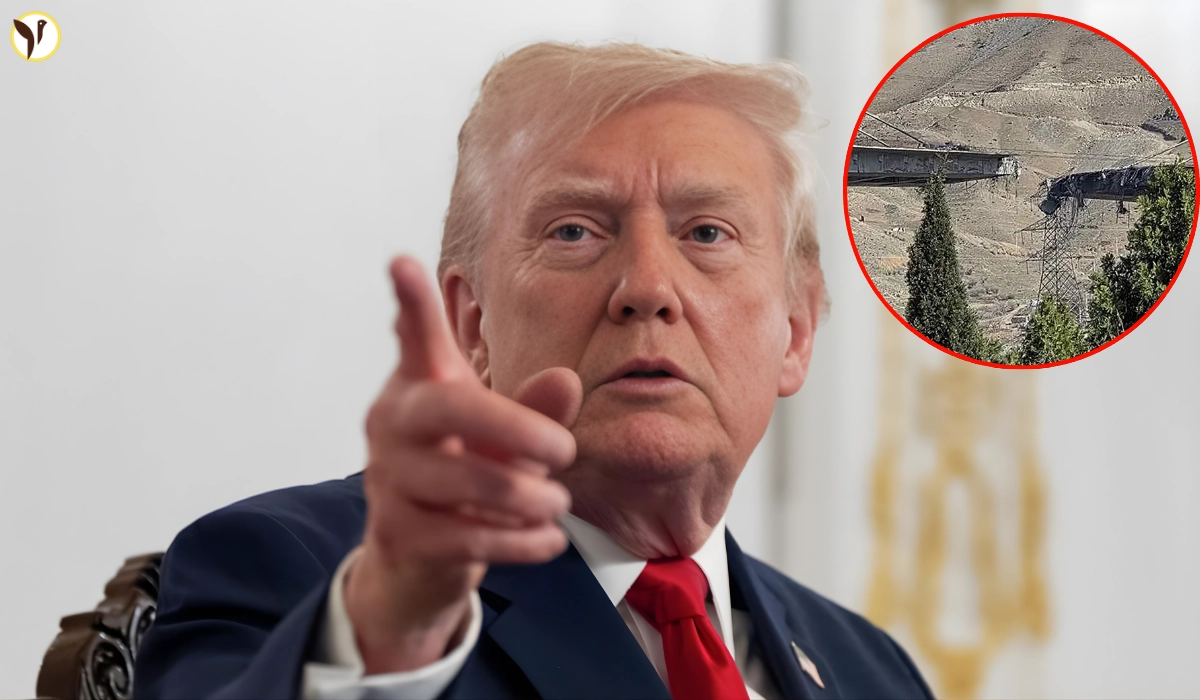


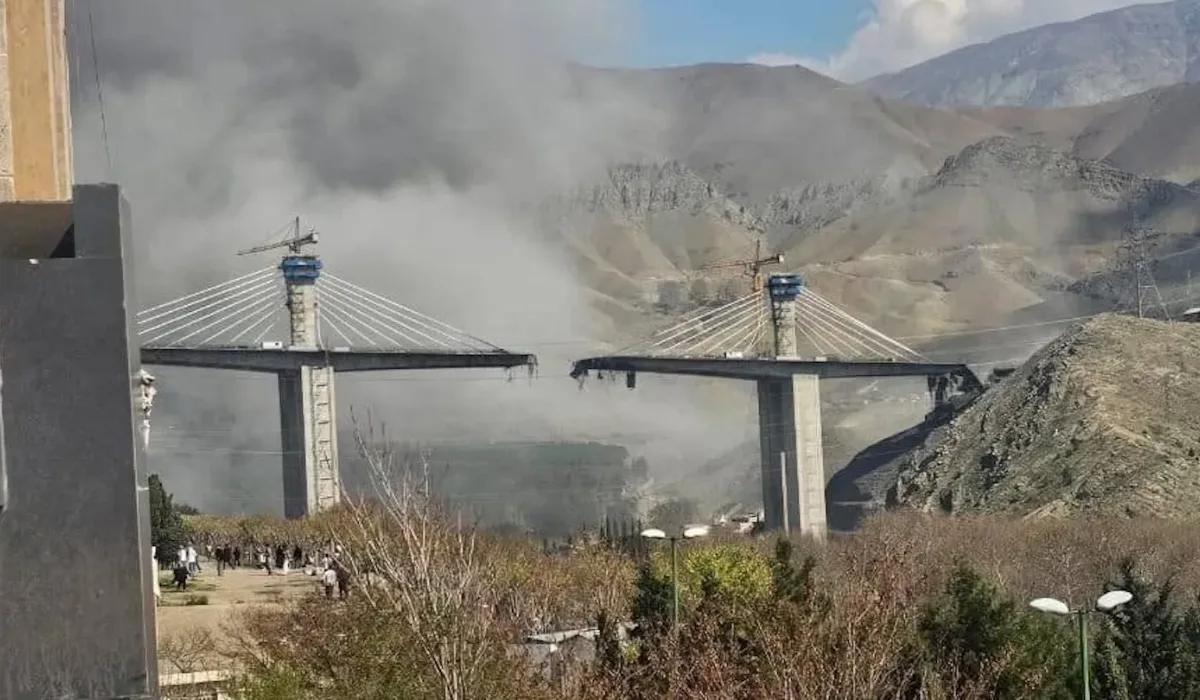
A massive bridge, taller than a 40-story building, stands proud near Iran’s capital. Built with huge effort despite tough times, it was almost ready to open. Then, on April 2, everything changed. Explosions ripped through the middle. Smoke filled the sky. The bridge split in half and came crashing down. Eight people lost their lives. Dozens more got hurt.
This is the story of Iran’s B1 bridge – the country’s tallest and one of the biggest in the whole Middle East. US forces hit it in airstrikes. President Donald Trump shared video of the collapse and sent a clear message to Iran: make a deal fast, or more will be destroyed.
What Is Iran’s Tallest Bridge – The B1 Bridge? Why Did It Matter So Much?
The B1 bridge sits between Tehran and Karaj, about 35 kilometers outside the capital. It rises 136 meters high – that’s like stacking 40 buses on top of each other. The whole thing stretches over 1,050 meters long, with wide lanes for cars and trucks. It cost around $400 million and took years of hard work by Iranian engineers.
People called it a marvel. It was built to ease crazy traffic between two busy cities. Trucks carrying goods could zoom faster. Families could travel easier to the mountains or the Caspian Sea. It wasn’t just a road – it was a symbol. Iran built it even with sanctions trying to stop them. Iranian workers did it all themselves.
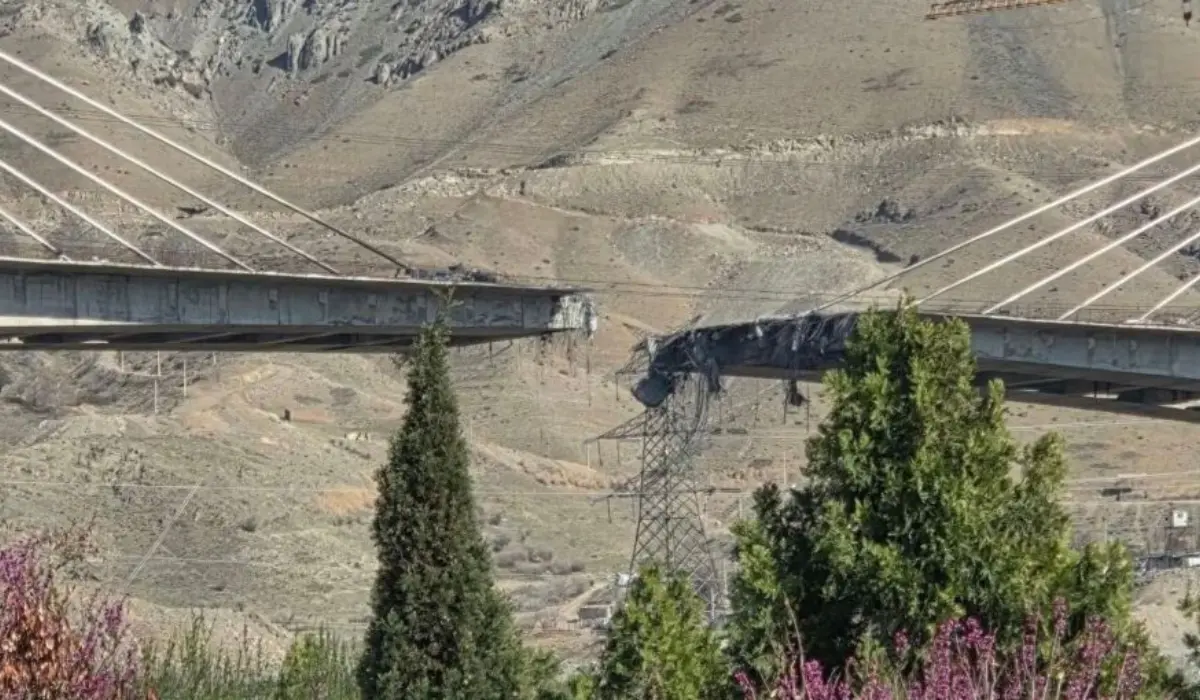
Before the strike, cranes still dotted the site. The bridge wasn’t open to regular cars yet, but it was almost finished. Locals were proud. Now? A huge gap in the middle. Twisted metal. Smoke. It looks like a giant wound in the landscape.
Engineers say fixing it won’t be quick. But Iran already promises: “We will build it back stronger.” That’s how much this bridge meant to them.
Timeline: Exactly What Happened on April 2, 2026 – Hour by Hour
- Early April 2: US planes strike the B1 bridge twice. The middle section takes direct hits. Fire and black smoke shoot up. A second blast happens while rescue teams are already there helping the hurt.
- Video from the ground shows the deck cracking and falling onto the road below. People nearby run for cover.
- By afternoon: Iranian state media reports 8 dead and 95 wounded – mostly workers at the site. Some sources first said 2 dead, but numbers rose as the day went on.
- Evening: Trump posts the video on Truth Social. He writes: “The biggest bridge in Iran comes tumbling down, never to be used again — Much more to follow!” Then he adds: “IT IS TIME FOR IRAN TO MAKE A DEAL BEFORE IT IS TOO LATE, AND THERE IS NOTHING LEFT OF WHAT STILL COULD BECOME A GREAT COUNTRY!”
- Late night into April 3: Trump posts again: “Our Military... hasn’t even started destroying what’s left in Iran. Bridges next, then Electric Power Plants!”
The strikes were part of “Operation Epic Fury,” aimed at cutting off supplies for Iran’s missiles and drones.
Trump’s Statement Explained: What Did He Really Mean?
Trump didn’t hide it. He took credit right away. His words sound tough, like a warning in a movie. But let’s break it down simply.
He says the bridge is gone forever (at least for now). “Much more to follow” means more targets – power plants, maybe roads, factories. He wants Iran to sit down and agree to stop the fighting. The war started February 28, 2026. It’s now day 34 or 35. Trump calls it almost over if Iran says yes to a deal.
Why the strong talk? Trump says he wants to protect America and allies like Israel. He believes hitting important places forces Iran to the table. Critics call it risky – what if it makes Iran fight harder?
One thing is clear: Trump shared the video himself so the world could see. No secrets.
Why Was the B1 Bridge Hit? The Real Reason Behind the Strike
US officials say the bridge was going to help move missile parts and drone supplies to launch sites. Cutting it stops that flow. It’s not just any road – it’s a key highway link in a busy area.
Iran says it was only for civilians and trade. They call the attack a “crime” against unfinished civilian work. Either way, the strike shows a new phase: going after big infrastructure to pressure the government.
This fits the bigger war picture. Since late February, thousands of bombs have fallen. Iran lost its supreme leader early on. Now it’s about supply lines, power, and forcing talks.
The Human Side: 8 Lives Lost, Families Hurt, and a City in Shock
Eight workers died. Ninety-five more got injured – some badly. These weren’t soldiers. They were builders, drivers, helpers finishing a dream project. Families in Karaj are grieving today.
One local said the explosions shook houses far away. Kids woke up scared. Hospitals filled up fast. Iran called it a “horrific crime.” The pain is real, no matter which side you support
Iran’s Strong Reply: “We Will Build Back” and Threats of Their Own
Iran didn’t stay quiet. Foreign Minister Abbas Araghchi posted: striking civilian structures won’t make us surrender. He called it America’s “moral collapse.”
The military says they will hit back harder. They even made a “hit list” of 8 bridges in Gulf countries and Jordan – a warning of tit-for-tat attacks.
President Pezeshkian called attacks on places like medical centers “crimes against humanity.” Iran promises the B1 bridge will rise again, stronger than before. Their message: We are an old civilization. We don’t break easy.
How the Whole World Is Watching – Oil Prices, UN Warnings, and More
Oil jumped almost 8% after the strike. People worry about supply lines in the Middle East. Gas could get more expensive everywhere.
The UN Secretary General said the world is “on the edge of a wider war.” He wants everyone to stop and talk.
In the US, some ask if this is the right path. Others cheer it as strong leadership. Europe and neighbors in the Gulf are nervous – no one wants the fire to spread.
Quick Background: The 5-Week War So Far – Why It Started
The fighting began February 28, 2026. US and Israeli forces hit Iran hard after years of tension over nuclear plans, missiles, and attacks on allies. More than 15,000 raids. Nearly 2,000 Iranians dead, many more hurt. Iran hit back too, shooting at bases and ships.
Trump says the hard part is done and objectives are almost complete. Iran says they will keep fighting until the attackers give up.
🚨 BREAKING: TRUMP ESCALATES IRAN ASSAULT 🚨
— MdShakeel(PingTV) (@PingtvIndia) April 3, 2026
President Trump warns that the destruction of Iran’s infrastructure “hasn’t even started” after a massive strike demolished the Karaj B1 Bridge—the tallest in the country. 🏗️💥
"Bridges next, then Electric Power Plants!"
Key…
What Happens Next? Trump’s Threats of Power Plants and More Bridges
Trump already warned: bridges first, then electric plants. If no deal soon, lights could go out across Iran. That would hurt hospitals, homes, factories.
Iran says they have plans ready. The next days could bring more strikes or surprise replies. Everyone is watching the Strait of Hormuz – a narrow sea path for oil. If it closes, the world feels it.
Extra Knowledge: How Do You Build a Bridge Like This?
Iran’s engineers used cable-stayed design – huge towers with wires holding the road like a harp. It survives earthquakes and wind. They did it with local steel and brains, even when the world said no. That pride is why the damage hurts extra. It’s not just concrete. It’s a story of “we can do it ourselves.”
Fixing it will take months or years, but Iran has done big rebuilds before. The world might learn new ways to make bridges safer after this.
Other Articles to Read:
- Mark Leaves NCT and SM After 10 Years, Fans React Worldwide
- No More Fake Tickets? LA28 Unveils Verified Resale Program for 2028 Olympics
- Honey Singh Faces New Allegations Over Songs—What Complaint Has Been Filed in Pune?
- Jaafar Jackson Reveals Childhood Moments With Michael Jackson Before Film
- Who Is Gucci Mane? What Happened in the Alleged Kidnap Case?