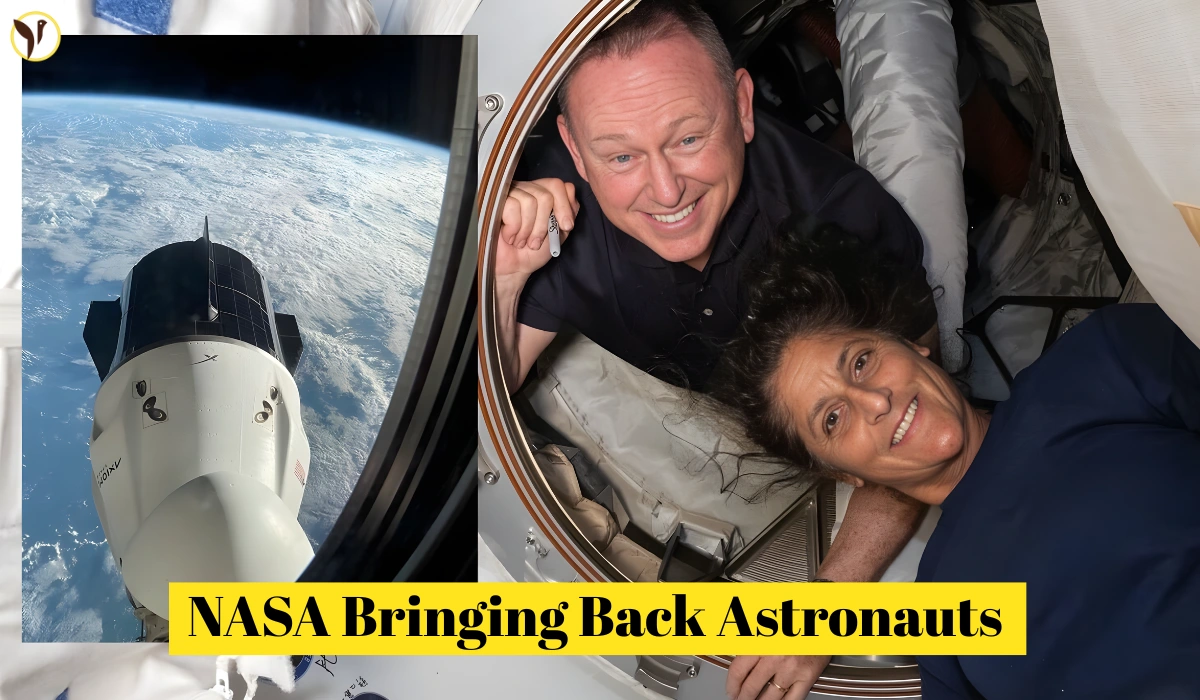


NASA just made a big call: four brave explorers on the International Space Station are heading home sooner than planned because of a health worry for one team member. This marks the first time ever that a medical problem has led to an early trip back from space. No panic though—the situation feels steady, and everyone stays safe first.
NASA ISS Early Return Shocks Space Fans
Picture this: astronauts floating high above Earth, running tests and fixing gear on a giant lab in the sky. Suddenly, one feels off, and NASA decides it's time to pack up. On January 8, 2026, agency leaders shared the news during a live talk. They skipped details on who or what exactly, to protect privacy—like how doctors keep your check-up quiet. But they called it serious enough to act fast, cutting the stay by over a month.
This Crew-11 group launched back in August 2025 from Florida's Kennedy Space Center. Their ride? SpaceX's trusty Crew Dragon capsule on a Falcon 9 rocket. Planned for months of work, now it wraps up ahead of schedule. Weather and ship readiness will pick the exact splashdown day, likely in the next few days off Florida or California coasts. Think parachutes blooming over ocean waves, rescue boats zooming in—pure adventure!
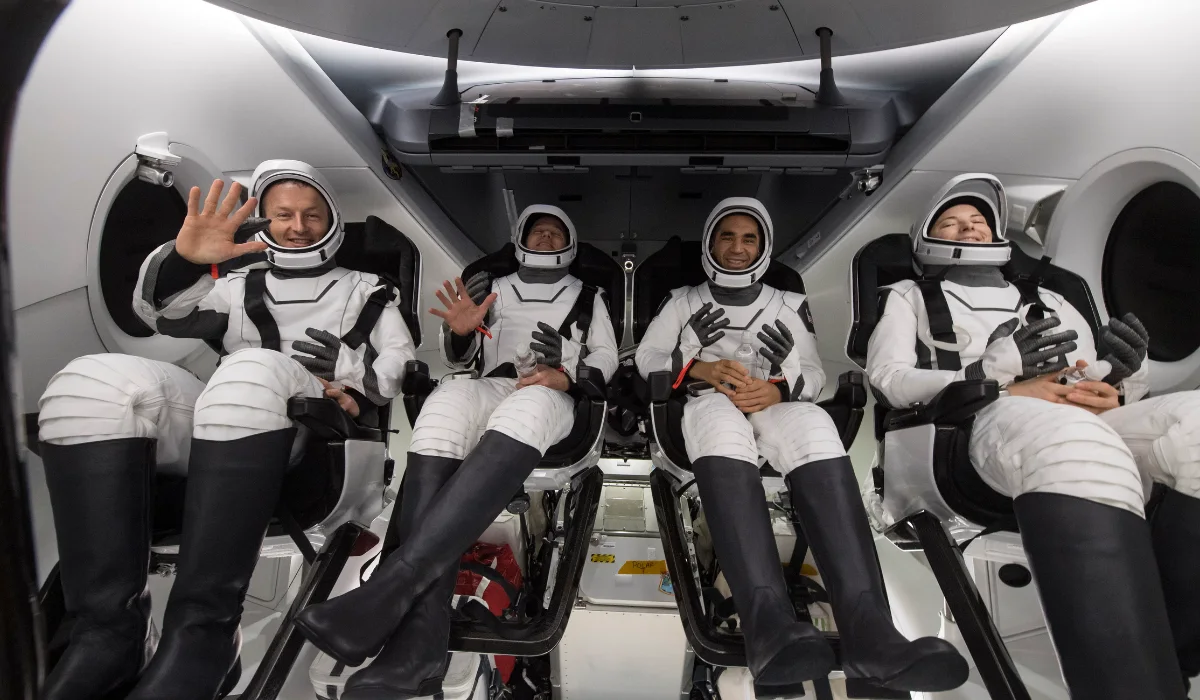
Meet Crew-11: Heroes Facing Space Challenges
Zena Cardman leads as commander, a first-time flyer from Virginia with smarts in ocean caves and rocks. She's dreamed of stars since kid days, now testing ways to grow food up there. Mike Fincke pilots, a vet with four space trips under his belt—he even walked outside stations before. Japan's Kimiya Yui brings experience from past ISS stays, handy with tools. Russia's Oleg Platonov rounds it out, focused on station upkeep. Together, they nailed most goals despite the curveball.
These folks aren't just passengers. Daily life means zero gravity flips, eating from pouches, and sleeping strapped in. Experiments? Growing stem cells for medicine, watching how plants split cells without downforce, fighting germs that act weird in orbit. One cool bit: mimicking moon walks to prep for Artemis trips. But health hits hard—bones weaken, eyes strain, hearts shrink a tad. That's why docs watch close with Earth check-ins.
Why Medical Issues Force ISS Astronauts Home Early
Space sounds fun, but it's tough on bodies. No gravity pulls fluids up, puffing faces and stressing eyes—called Spaceflight Associated Neuro-ocular Syndrome. Radiation zaps like endless X-rays, upping cancer odds. Muscles melt without weights to push. Tiny injuries fester slow without air pressure. NASA picks super-fit crews, trains them years, but surprises happen. This case? Not from a bump or work—something inside that docs can't fix fully up there.
Leaders weighed options: send one back solo? Risky with Dragon's setup for four. Bring all? Safer, shares skills for re-entry. Station won't empty—seven others stay, including Expedition 72 folks, till Crew-12 blasts off around February 15. That next team: Jessica Meir, Jack Hathaway, ESA's Sophie Adenot, Russia's Andrey Fedyaev. Short crew means pausing some tests, but basics like air and power keep humming.
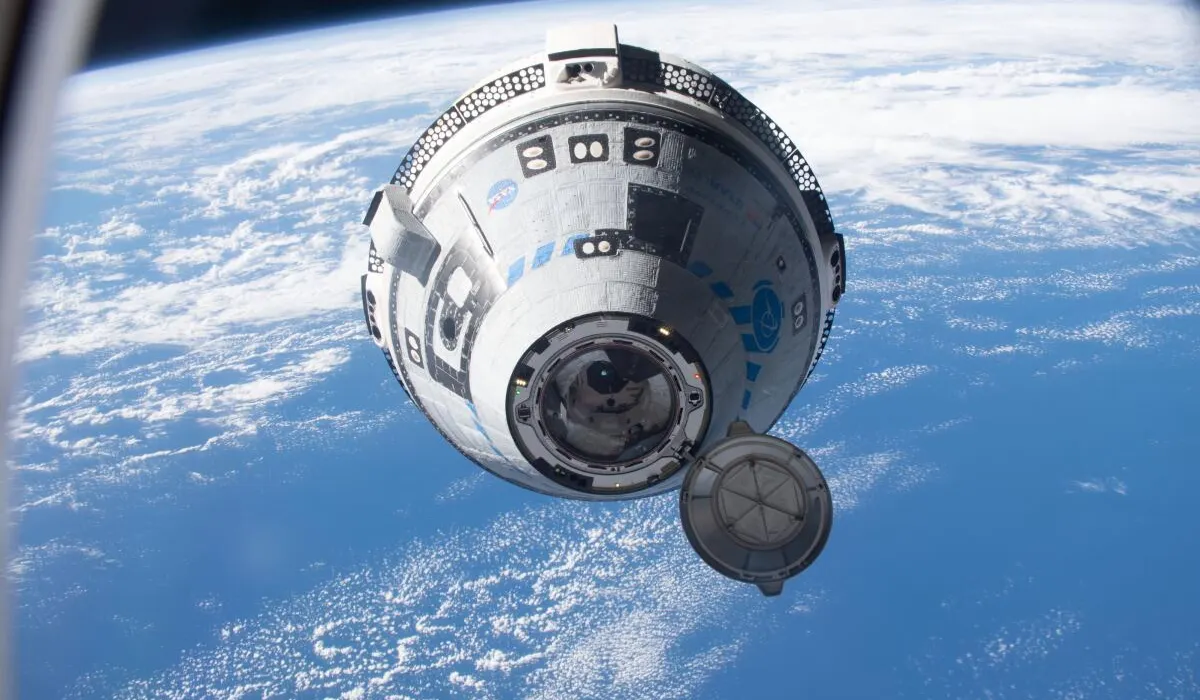
SpaceX Crew Dragon: Safe Ride Back to Earth
How do they get down? Dragon undocks smooth, like unhooking a magnet. Engines fire backward for a deorbit burn—drops from 250 miles high. Heat shield takes 3,000-degree blaze during plunge. Parachutes pop at 18,000 feet, splash in sea. Ships fish them out in hours. Past returns? Smooth, like Crew-10 last year. This one's nominal, no rush undock drama.everyday
Fun fact: Dragon's autonomous—computers dock and fly mostly alone, humans oversee. Inside, seats cradle for G-forces, suits protect. Post-splash, choppers whisk to hospitals for checks. Astronauts often feel wobbly first steps, like newborn deer—legs forgot gravity!
History of Health Scares on International Space Station
ISS runs nonstop since 2000, home to 260+ visitors. Close calls? 2013 urine leak soaked gear. 2020 ammonia scare halted walks. But no prior early return for illness—shuttles flew rescues, but Commercial Crew changes game. Pre-2011 shuttles ended, Russia Soyuz was lifeline; pricey at $90 million a seat. Now SpaceX halves costs, flies regular.
Russia stretches stays to eight months for savings—Crew-12 might too, amid budgets. Trump's team eyes efficiencies. Medical first shows progress: better screens, but space wins some rounds.
In an unprecedented move, NASA announced it will bring four astronauts – including two Americans – home early from their mission at the International Space Station because of a medical issue with one of the crew members. https://t.co/a7xDcWZOJU
— ABC News (@ABC) January 9, 2026
Bigger Picture: Future of ISS and Beyond
Station retires 2030—solar panels upgrade preps safe dive into Pacific. Private stations rise: Axiom, Vast. Artemis eyes Moon base by 2028. Mars? 2030s goal. This hiccup reminds: humans fragile frontier. Yet crews push science—stem cells for cures, virus tweaks for superbugs, plant genes for hungry world.
What delays? Crew-12 speed-up talks. Experiments pause, but data already beams home. World watches—will splash go viral?
OTHER ARTICLES TO READ:
- Did Tara Sutaria & Veer Pahariya Break Up? Full Details Inside
- Will These 3 Upcoming Prabhas Films Save His Career in 2026?
- The Great Indian Kapil Show Season 4 Faces Global Viewership Decline
- When Will Union Budget 2026 Be Presented? February 1 or 2
- JEE Main 2026 City Intimation Slip: How to Download?
- Zepto Rider Dies in Hyderabad Accident, Investigation Underway
- Agnivesh Agarwal’s Sudden Passing: Know More About Anil Agarwal’s Son
- Yash’s ‘Toxic’ Teaser: Dark, Violent, and Jaw-Dropping Action!
- Mastiii 4 Faces Legal Action Over Content Dispute
- Katrina Kaif and Vicky Kaushal Share Their Baby Boy's Name
- Varun Dhawan Hits Back at Fan's Criticism on Recent Films!
- Top 10 Highest-Paid Brand Ambassadors in India for 2026 Revealed!
- Is Sachin Tendulkar’s Son Arjun Set for Marriage in March?