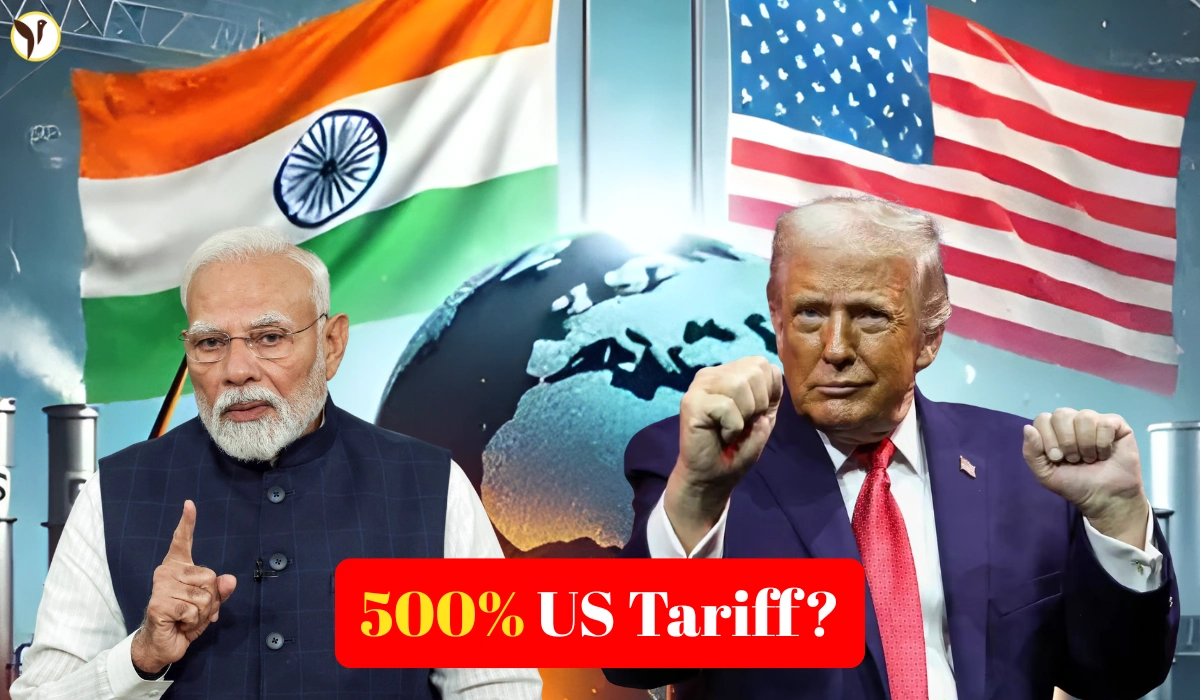


India is at the center of a potential trade storm after the United States introduced the Sanctioning Russia Act of 2025. The new law, supported by former President Donald Trump, could impose 500% tariffs on Indian goods if the country continues buying discounted Russian crude. With Russia supplying 35-40% of India’s oil, the move threatens not just trade but also domestic fuel prices. Indian markets reacted sharply, sending stocks tumbling amid investor concerns. This article covers the impact of US sanctions on India’s trade, energy security, economy, and steps the country can take to mitigate risks.
Sanctioning Russia Act 2025: Key Details and Impact on India
The bipartisan US Sanctioning Russia Act targets countries purchasing Russian oil, gas, or uranium. Introduced by Senator Lindsey Graham and backed by Trump, the bill allows the president to impose extreme tariffs up to 500% on goods exported to the US. India, whose exports to America total around $120 billion annually, could face crushing penalties, particularly in textiles, pharmaceuticals, and engineering goods.
Past US measures already doubled tariffs to 50%, but the new law would dwarf previous limits, putting pressure on small and large Indian exporters alike.
Why US Targets Russian Oil Buyers Like India
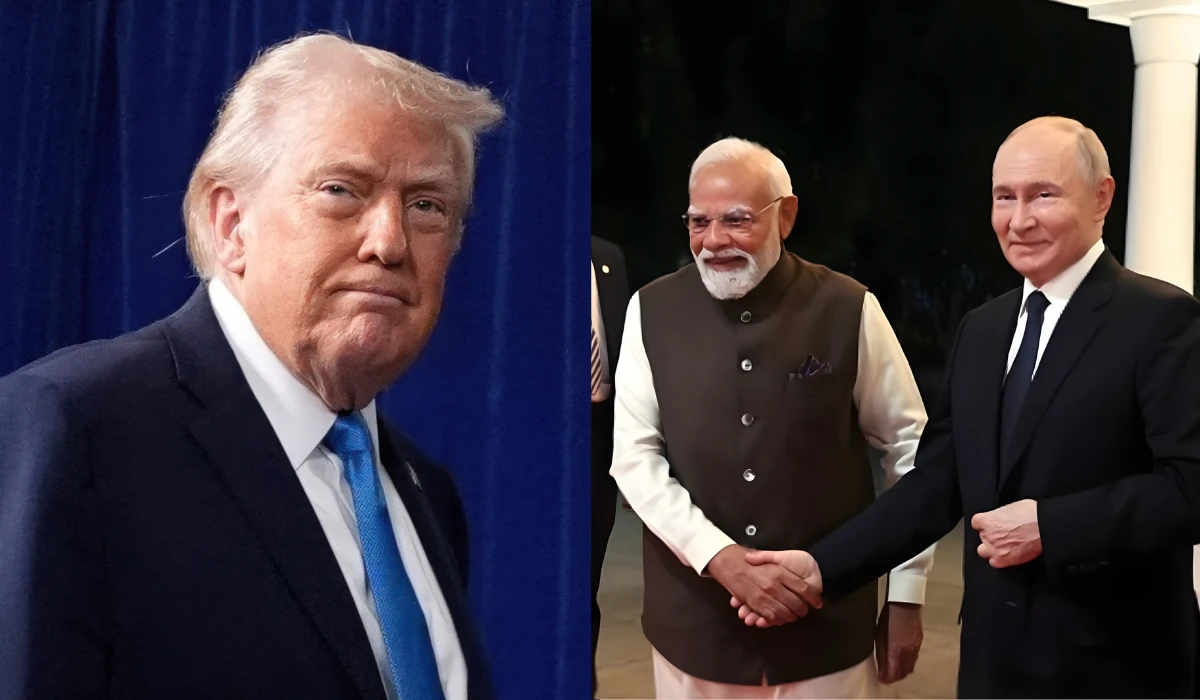
The US aims to cut Russia’s revenue from energy sales amid ongoing tensions in Ukraine. Russia sells oil at discounted rates to India, helping control domestic fuel inflation and stabilize energy supply. Countries like China and Brazil also face similar threats under the bill’s secondary sanctions, which punish buyers rather than only the main target. For India, suddenly reducing Russian imports could cost $9-11 billion annually in alternative oil purchases, straining government finances and risking higher fuel prices.
India’s Dependence on Russian Crude Explained
After the 2022 Ukraine conflict, Russia became a key energy supplier to India, offering bargain-priced oil when Western buyers pulled back. At peak periods, over one-third of India’s oil imports came from Russia. The benefits:
- Lower prices help control inflation.
- Diversifies away from Middle Eastern suppliers.
- Long-term contracts ensure steady energy supply.
Risks now rise with renewed US pressure as Trump’s Russia policy gains momentum.
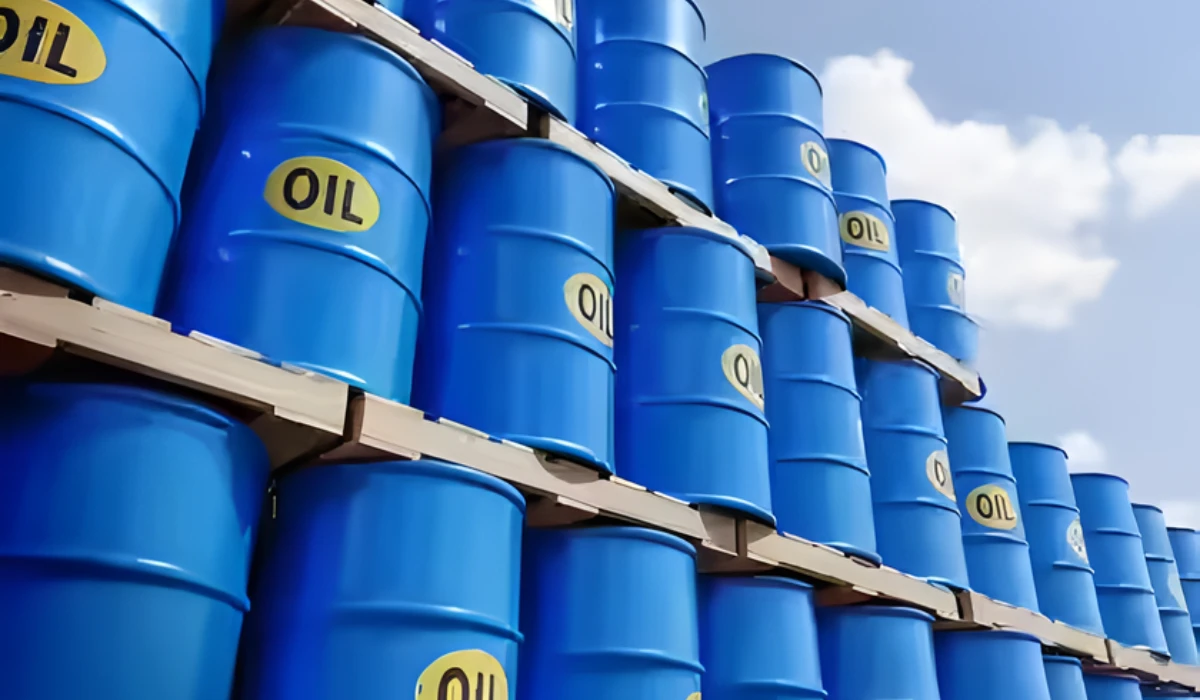
How 500% US Tariffs Could Affect India’s Economy
A full 500% tariff would hit India’s major export sectors hard:
- Textiles: Millions of jobs at risk.
- Pharmaceuticals: Affordable generics could become unsellable abroad.
- Gems & Jewelry and Engineering Goods: Exports may stall.
Stock markets reacted immediately, with oil and gas shares dropping 2.8% and broader indices falling to four-month lows. Rising oil costs could translate to higher fuel prices for Indian consumers and slower economic growth.
How India Is Securing Energy Against US Tariff Threats
To mitigate risks, India is:
- Building strategic oil reserves for emergencies.
- Seeking alternative crude suppliers in Africa, the Americas, and West Asia.
- Promoting domestic refining and green energy to reduce dependence.
- Exploring export diversification to Europe and Asia to offset US trade risks.
The government may also leverage bill waiver provisions offering up to 180 days in certain security situations.
Impact of US Sanctions on India-US Trade Relations
While India and the US maintain strong ties in defense, technology, and trade, energy choices are testing the relationship. India emphasizes that purchases of Russian crude are market-driven, aiming for affordable, stable supply. Diplomatic negotiations and strategic diversification are key to avoiding escalation while safeguarding export revenue and domestic energy stability.
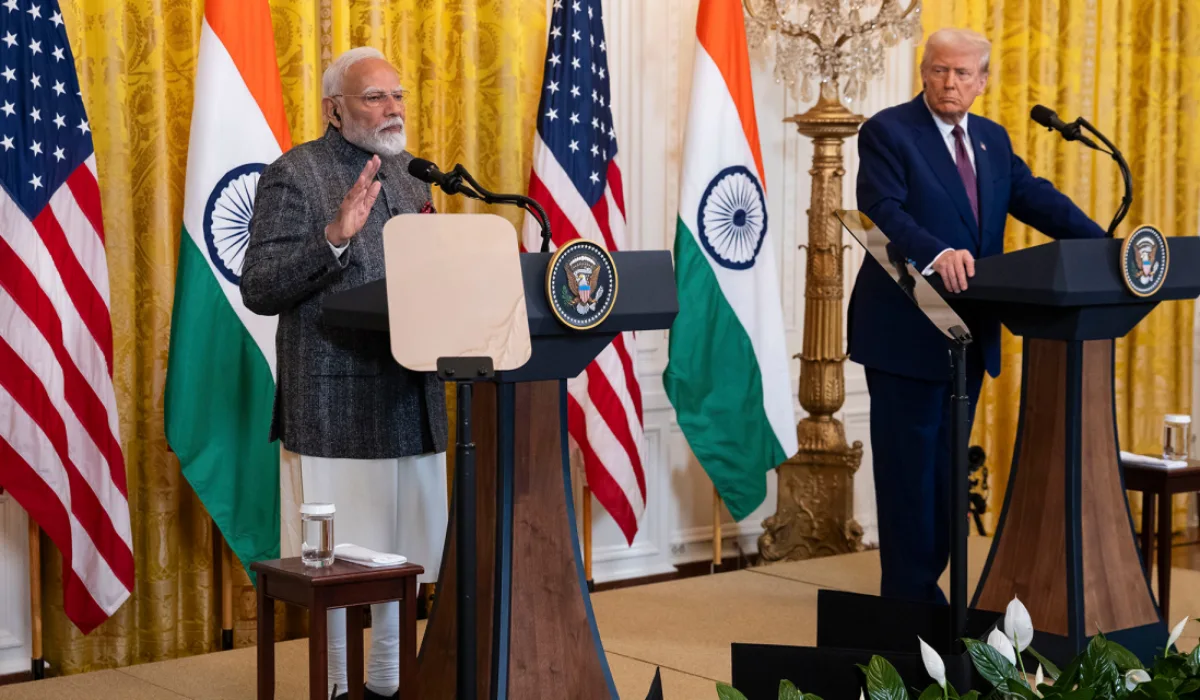
Changes in Global Oil Trade Due to Russia Sanctions
Worldwide, oil markets are responding to secondary sanctions on Russian energy:
- China continues purchases with minimal concern.
- Brazil evaluates costs carefully.
- Europe sources crude elsewhere after bans.
India is leading a careful balancing act between cheap energy access and maintaining trade peace, a lesson in navigating geopolitical tensions for all nations.
Steps Ahead for India Facing US Tariffs on Russian Oil
India can safeguard its economy and trade through:
- Launching export campaigns to non-US markets.
- Investing in domestic manufacturing to reduce import dependence.
- Training workers for sectoral shifts caused by tariff impacts.
- Engaging in WTO forums if sanctions are deemed unfair.
- Promoting green energy adoption to cut long-term fuel costs.
These measures aim to ensure market stability, protect jobs, and secure energy supply for India even under punitive US tariffs.
OTHER ARTICLES TO READ:
- India-Pakistan Drone Crisis: What’s Fueling the Rising Tensions?
- Deepika Padukone and Ranveer Singh Airport Moment Goes Viral
- Priyanka Chopra & Nick Jonas Red Carpet Moments Everyone’s Talking About
- Vijay Hazare Trophy Quarter-Finals: How to Watch Live Streaming and TV Broadcast
- What Did Khushi Mukherjee Say About Suryakumar Yadav? Defamation Case Filed
- Vamika’s 5th Birthday, Anushka Sharma Shares Why Motherhood Changed Her Life
- What Really Caused Indian Idol Winner Prashant Tamang Sudden Death at 43?
- Karan Kundrra Reveals How Tejasswi Prakash Influenced His Game
- Dhurandhar OTT Release: When & Where Can You Watch It Online
- Hrithik Roshan Drops Major Krrish 4 Hint in Powerful Workout Video!
- One Cute Video That Shows Why Priyanka and Nick Are Couple Goals
- Virat Kohli Meets Mini Kohli: Viral Vadodara Moment Wins Hearts
- After Negative Reviews, Makers Confirm Raja Saab Sequel with Prabhas!
- Himachal Tragedy: 14 Killed, 52 Injured After Private Bus Falls into Gorge