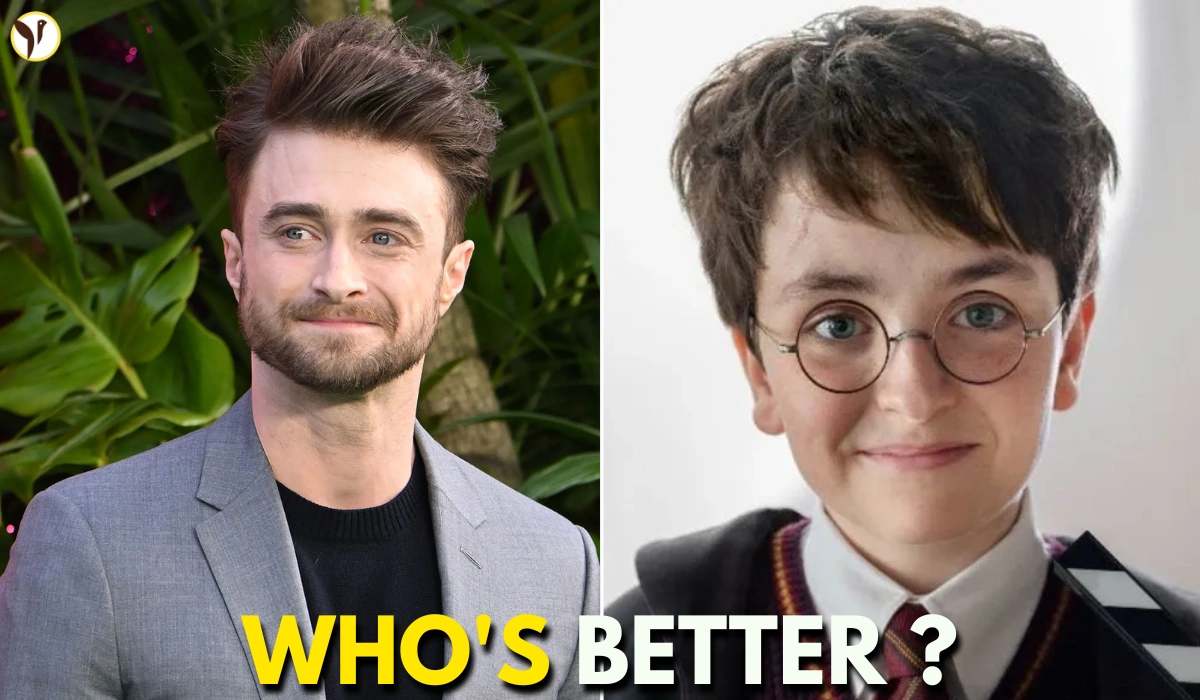


When Daniel Radcliffe publicly endorsed Dominic McLaughlin, the young Scottish actor cast as Harry Potter in HBO’s long-form reboot, it did more than spark headlines. It helped steady one of the most closely watched franchise transitions in modern television.
For fans in the United States and beyond, the message was simple. The original Boy Who Lived is ready to pass the wand.
That reassurance matters. The HBO adaptation is not a small revival. It is a decade-long investment in one of the most profitable and culturally durable franchises in entertainment history.
HBO’s 10-Year Bet on the Wizarding World
In 2025, Warner Bros. Discovery officially greenlit a serialized television adaptation of J.K. Rowling’s seven Harry Potter novels. The plan spans roughly 10 years, with one book adapted per season. The series will stream on HBO’s platform, which continues to serve as the company’s premium storytelling hub in the United States.
Production began in summer 2025 after open auditions reportedly drew more than 30,000 children across the UK and Ireland. First-look images released in July 2025 showed Dominic McLaughlin in classic Hogwarts robes, round glasses, and the lightning scar that has become one of pop culture’s most recognizable symbols.
The expected premiere window is late 2026 or 2027.
For American viewers, the shift from theatrical films to prestige television reflects broader industry trends. Streaming platforms now rely on long-running, franchise-driven series to anchor subscriptions. Harry Potter is uniquely suited to that model because the novels contain extensive subplots and character arcs that the original films could not fully explore.
Casting Spotlight: A New Generation Takes Over
Dominic McLaughlin, reportedly born around 2013 or 2014, steps into one of the most scrutinized roles in entertainment. His previous experience includes stage performances such as Macbeth and work on the CBBC series Gifted. Unlike Radcliffe, who was largely unknown before landing Harry Potter in 2000, McLaughlin enters a media ecosystem shaped by social platforms, instant reaction cycles, and franchise fandom culture.
Arabella Stanton has been cast as Hermione Granger, while Alastair Stout takes on Ron Weasley. All three were selected through an open casting process, signaling that producers prioritized acting potential over established fame.
Radcliffe’s Perspective: Experience, Not Ownership
Radcliffe shared his support while promoting his NBC comedy project The Fall and Rise of Reggie Dinkins. In interviews, he acknowledged that he learned on the job while filming the original ten-year movie saga. His reflection was grounded rather than nostalgic. He encouraged fans and media outlets to avoid comparing the new cast to the original trio of himself, Rupert Grint, and Emma Watson.
That appeal is significant. Franchise reboots often struggle under the weight of comparison. Radcliffe’s comments signal respect for creative evolution rather than defensive attachment.
Over the past decade, he has deliberately diversified his career. From Broadway revivals like Merrily We Roll Along to unconventional indie films such as Swiss Army Man, Radcliffe moved away from blockbuster branding. That trajectory gives credibility to his endorsement. He no longer needs Harry Potter to define his legacy.
Why This Reboot Carries Commercial Weight
The original eight Harry Potter films grossed nearly $8 billion worldwide. In the United States alone, they became a generational touchstone. The franchise expanded into theme parks, licensed merchandise, video games, and stage productions like Harry Potter and the Cursed Child.
HBO’s adaptation represents both creative ambition and strategic business continuity. Streaming subscribers in the U.S. are increasingly selective. Major franchises now function as retention anchors.
The long-form format allows deeper exploration of storylines that readers often cite as underdeveloped in the films. Side characters like Peeves the Poltergeist, detailed Quidditch arcs, and political subplots within the Ministry of Magic may finally receive sustained screen time.
That narrative depth could appeal to millennials revisiting the story as adults and introducing it to their children.
Viewing Details for U.S. Audiences
American viewers can expect the series to debut on HBO’s streaming platform. Warner Bros. Discovery often bundles its service with Hulu and Disney+ in promotional packages, so subscription options may vary.
The original Harry Potter films remain available on streaming platforms tied to Warner Bros. licensing agreements, offering easy access for pre-series rewatches.
For fans interested in Radcliffe’s current work, he continues to balance television and stage projects. That separation reinforces the clean break between the film era and the new adaptation.
Other Articles to Read:
- Bill Gates Skips AI Summit: Gates Foundation Reveals Real Reason
- Why Did Christy Carlson Romano Say Cancer Is Everywhere? Emotional Video Goes Viral
- Daniel Radcliffe Backs HBO’s New Harry, Calls Him Better at That Age
- BBC Honors Sir David Attenborough’s 100th Birthday With Special TV
- Lil Poppa Dies at 25 — What Happened to the Rising Rap Star?
- Peter Greene Death Mystery Finally Solved After Two Months
Managing Nostalgia in the Streaming Age
One clear challenge facing the series is cultural memory. The original films ran from 2001 to 2011, meaning many U.S. fans grew up alongside Radcliffe. Nostalgia is powerful. It can drive curiosity or fuel resistance.
Radcliffe’s endorsement lowers the emotional barrier for longtime viewers. When the actor most associated with the character publicly supports his successor, it reduces the sense of replacement.
Industry observers note that successful reboots often depend less on marketing spectacle and more on tone management. Early messaging around the HBO series has emphasized fidelity to the books and respect for the franchise’s legacy.
Final Thoughts
Filming for the first season continues through 2026. The production timeline suggests a carefully paced rollout rather than a rushed launch.
Radcliffe has expressed interest in directing in the future, though he has not indicated involvement in this project. For now, the baton is clearly in new hands.
The coming years will reveal whether serialized storytelling can reintroduce Hogwarts to a generation that consumes television differently than audiences did in 2001. The foundation is strong. The cast is new. The expectations are immense.
For fans in the United States and globally, the next chapter of Harry Potter will unfold not on the big screen, but episode by episode.