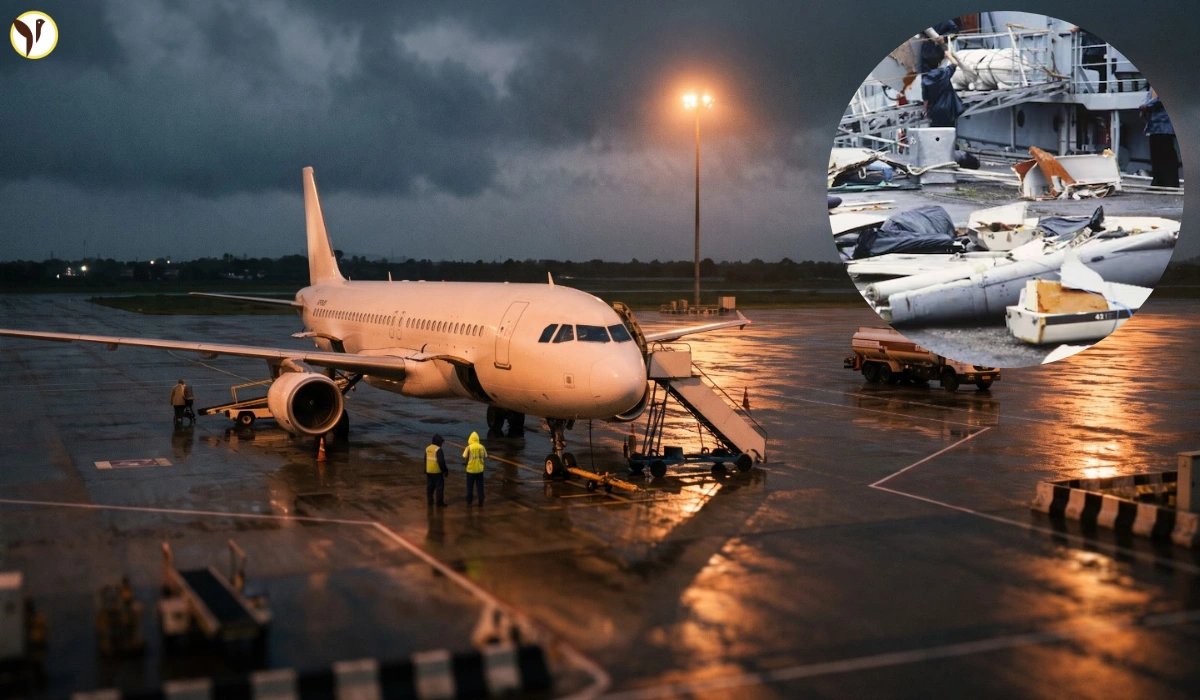
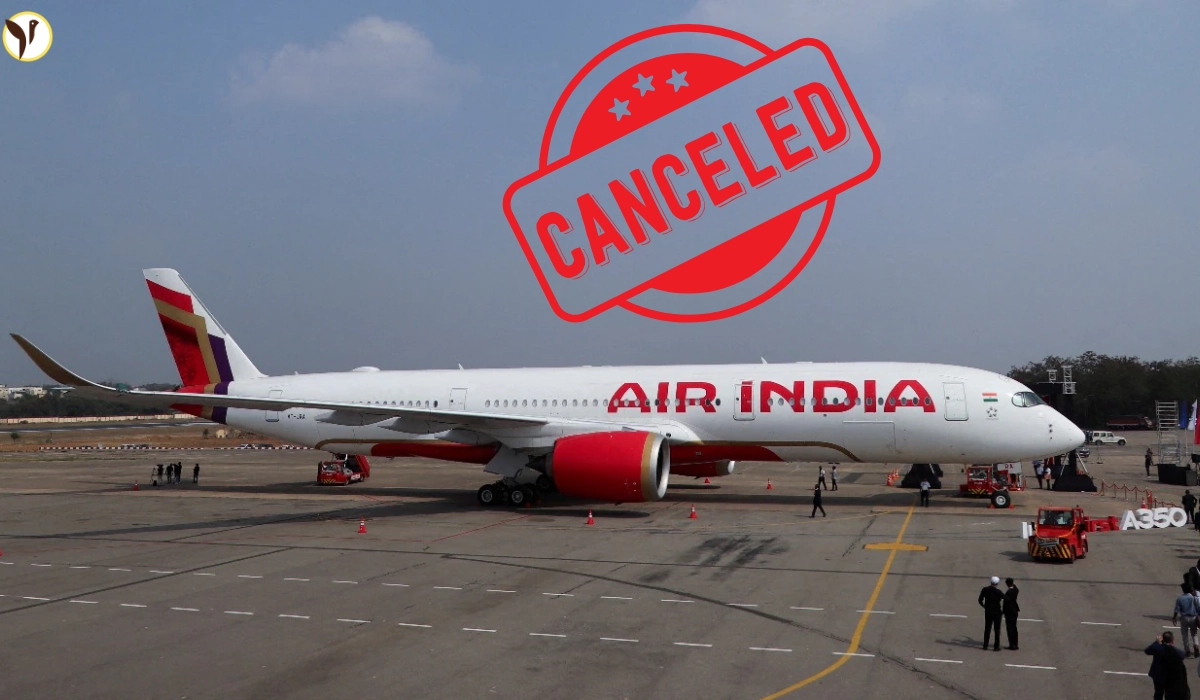


Air travel between Dubai and Delhi faced unexpected disruption after Air India flight AI-196, operated by a Boeing 787 Dreamliner, was cancelled following a serious technical issue linked to the aircraft’s radar system. The incident happened in early February 2026 and quickly raised safety concerns, passenger worries, and questions about aircraft maintenance standards.
What Is a Radar System Snag in Boeing 787 Dreamliner?
A radar system snag in a Boeing 787 Dreamliner means there is a technical malfunction or fault in the aircraft’s radar-based equipment. These radar systems help pilots detect weather, track terrain, and guide safe flight navigation. When any radar-related system stops working correctly, airlines treat it as a serious safety issue and may delay or cancel flights until repairs are done.
Timeline of Air India Dubai-Delhi Flight Technical Shock
January 2026: Rising Technical Alerts in Air India Operations
Air India faced several aviation safety challenges at the start of 2026. Reports showed increasing technical checks and monitoring across aircraft fleets, especially wide-body jets like Boeing 787 Dreamliners.
During January 2026, aviation regulators and airline engineering teams were already reviewing technical performance across certain aircraft due to earlier operational incidents and precautionary maintenance checks.
Multiple past incidents also highlighted system malfunctions in modern aircraft fleets. Aviation safety experts noted that technical failures are rare but taken seriously because even minor instrument problems can impact long-distance flight operations.
Early February 2026: Radar Malfunction Triggers Flight Cancellation
The situation escalated when Air India’s Dubai-Delhi AI-196 flight experienced a radar system malfunction. The technical problem was detected during operational checks, prompting the airline to cancel the flight immediately.
Reports confirm that the aircraft involved was a Boeing 787 Dreamliner, one of the airline’s modern long-haul jets. The airline decided not to operate the flight until safety verification was completed.
Aviation authorities and Air India engineers began inspecting the aircraft to understand the exact cause of the malfunction and to ensure passenger safety.
Why Aircraft Radar Systems Are Critical for Flight Safety
Radar systems help pilots perform several important functions, including:
- Detecting storms and bad weather
- Monitoring surrounding air traffic
- Supporting navigation during low visibility
- Assisting safe landing and route planning
Without a properly working radar system, pilots may not receive accurate weather or terrain information. This increases operational risk, especially during night flights or long international routes.
Experts say aviation rules worldwide require aircraft to cancel or delay flights if essential navigation tools show any malfunction.
Government and Aviation Regulator Response to Air India Technical Issue
India’s aviation authorities and the Ministry of Civil Aviation have closely monitored the situation. Separate inspections of grounded Dreamliner aircraft were also carried out around the same period.
Officials confirmed that checks conducted on another Boeing 787 aircraft found certain systems functioning properly. However, the Dubai aircraft remained grounded for technical evaluation.
Authorities emphasised that safety standards are strict, and airlines must follow mandatory inspection procedures before allowing aircraft to operate again.
Passenger Impact: What Happened to Travellers on AI-196
Passengers scheduled to travel from Dubai to Delhi faced sudden disruption after the flight cancellation. Airline ground staff assisted travellers with alternative arrangements, including:
- Rebooking on later flights
- Providing accommodation support where required
- Offering refunds or rescheduling options
Air India said passenger safety remains the highest priority, and technical cancellations are made only when essential.
Travel experts recommend that passengers should always check airline notifications during international journeys because last-minute technical cancellations, though rare, can happen.
Growing Focus on Boeing 787 Dreamliner Technical Monitoring
The Boeing 787 Dreamliner is widely used for international travel because of its fuel efficiency and advanced technology. However, aviation monitoring agencies across the world regularly conduct safety audits to ensure reliability.
Previous aviation reports revealed that some Dreamliner aircraft globally have faced complex system failures such as autopilot malfunction or instrumentation problems, forcing emergency diversions in rare cases.
Pilot associations have previously warned that automation system failure can create operational pressure because pilots may need to manually control the aircraft for long durations.
While such incidents are extremely uncommon, aviation authorities treat them as high-priority safety events.
Air India Safety Record and Recent Aviation Challenges
Air India has been expanding international operations and modernising its fleet after major investments and restructuring efforts. However, the airline has also faced several operational challenges in recent months, including:
- Emergency flight diversions due to technical alerts
- Weather-related disruptions
- Maintenance-driven cancellations
- System and check-in glitches
Past records also show that technical issues sometimes forced flight turnbacks or precautionary landings. Aviation experts stress that turning back or cancelling flights is part of safety culture, not operational failure.
How Airlines Decide to Cancel Flights During Technical Problems
Flight cancellations due to technical faults follow strict aviation protocols. The decision process usually includes:
- Detection of technical warning signals
- Evaluation by onboard pilots and engineers
- Consultation with airline safety control rooms
- Compliance with aviation regulator safety standards
If any essential system such as navigation, radar, engine monitoring, or flight control shows malfunction, airlines are required to stop operations immediately.
Safety experts explain that modern aircraft contain thousands of sensors that automatically alert crews even before passengers notice any problem.
Are Technical Flight Cancellations Increasing Globally?
Aviation data suggests that while global flight numbers are increasing after pandemic recovery, technical cancellations remain extremely low compared to total flights.
However, aviation safety organisations say modern aircraft rely heavily on advanced electronics. This means small system faults can trigger safety alerts even if there is no immediate danger.
Industry experts believe stricter safety monitoring has improved passenger safety but also increased precautionary cancellations.
What Happens Next: Aircraft Inspection and Return to Service
After incidents like the AI-196 cancellation, airlines typically perform:
- Full engineering inspection
- Replacement or repair of faulty components
- Flight simulation testing
- Certification approval from aviation authorities
Only after all safety checks are completed does the aircraft return to active service.
Air India engineering teams are expected to follow similar inspection procedures before reintroducing the aircraft into operations.
Air India Dubai-Delhi Flight Cancelled After Radar System Snag In Boeing 787 Dreamlinerhttps://t.co/NFO4GBH5Ih#AirIndia #Dubai #RadarSystem
— News18 (@CNNnews18) February 4, 2026
Aviation Experts Explain Why Such Safety Actions Build Passenger Trust
Safety analysts say aviation remains one of the safest travel modes because airlines follow zero-risk policies. Experts explain that cancelling flights due to technical alerts protects passengers and prevents major accidents.
They also highlight that modern aircraft monitoring technology detects problems much earlier than older aircraft systems.
OTHER ARTICLES TO READ:
- Why Did Delhi High Court Order Rajpal Yadav to Surrender? Here’s What Happened
- Ikka on Netflix: Sunny Deol and Akshaye Khanna Big Reunion Explained
- Software Engineering Job Vacancies With Hybrid WFH At Zebra Technologies
- Major Accident in Dehradun: Himachal Roadways Bus Skids Into Gorge
- Did Akshay Kumar Just Steal the Spotlight With His Anniversary Joke? In Wheel of Fortune
- Dhurandhar 2 Teaser Out! Ranveer Singh’s Dark Side Will Shock You
- CBSE Class 12 Physics: Easy Last 10 Days Revision Plan 2026