

For most billionaires, a Rs 37 crore real estate transaction is a calculated move in asset allocation, a line item in a sprawling portfolio. But when the buyer is Shah Rukh Khan, the mathematics of real estate inevitably collide with the mythology of his life.
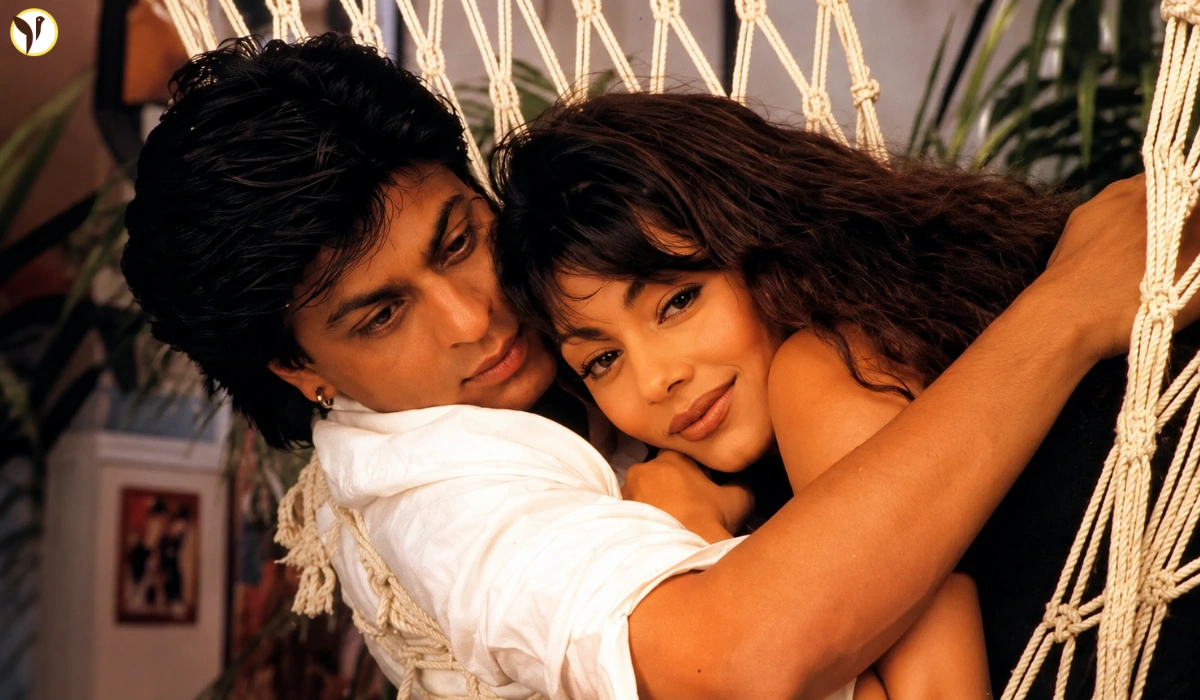
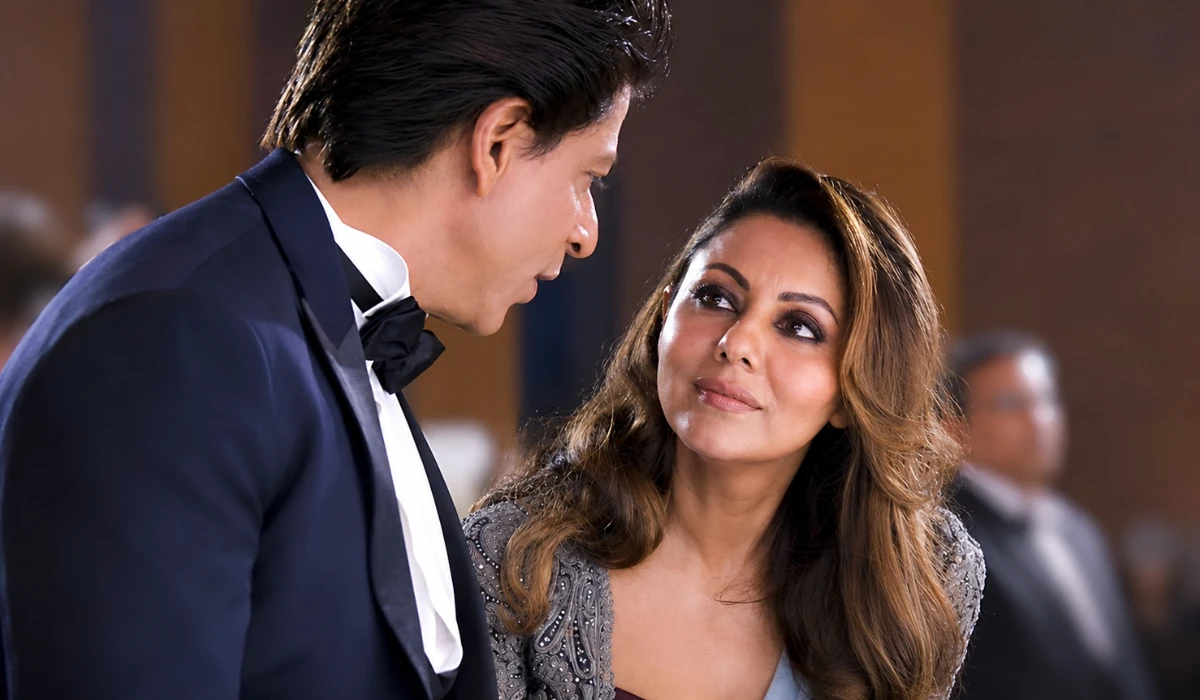
According to verified property registration documents, Shah Rukh Khan has officially acquired a luxurious property in Delhi’s Panchsheel Park for approximately Rs 37 crore. While the financial heft of the deal is notable, the geographic specificity of the purchase is what has captured public attention. Panchsheel Park is not just an affluent South Delhi neighborhood; it is the precise geographic anchor of Khan’s origin story—the place where a young boy from Rajendra Nagar crossed paths with Gauri Chibber, sparking a romance that would eventually define modern Bollywood.
Here is a detailed breakdown of the transaction, the socio-economic context of the location, and why this purchase matters far beyond the headline.
The Transaction Decoded: By the Numbers
Real estate in South Delhi’s "golden triangle"—comprising Panchsheel Park, Hauz Khas, and Greater Kailash—operates in a rarefied ecosystem. Properties here are rarely listed publicly; they move through hushed networks of boutique brokers and legacy builders.
To understand the scale of Khan’s acquisition, it helps to examine the underlying economics of the deal. Based on standard Delhi registration metrics and prevailing circle rates for the locality, the following table provides an analytical breakdown of the estimated transaction.
Estimated Financial Breakdown of the Panchsheel Park Acquisition
|
|
|
|
|
|
|
|
|
|
|
|
|
|
|
|
|
|
|
|
|
|
|
|
|
|
|
|
The Geography of Nostalgia: Why Panchsheel Park?
To treat this purchase merely as a real estate investment is to miss the psychological undercurrent. In the late 1980s, Shah Rukh Khan was a Delhi University student navigating the city on public transport. Gauri Chibber belonged to a well-to-do Punjabi family residing in Panchsheel Park. Their courtship, conducted against the backdrop of a culturally stratified Delhi, is well-documented in Khan's biographical interviews.
Buying a home in this specific locale is an exercise in what urban sociologists call "spatial nostalgia"—the act of reclaiming the physical spaces of one's formative years after achieving immense success.
- The Contrast: Khan currently resides in Mannat, a sea-facing heritage structure in Bandra, Mumbai, which functions as a fortress of his current superstardom. The Delhi home, by contrast, is a return to the terrain of his anonymity.
- The Privacy Factor: Panchsheel Park offers a unique architectural layout. Unlike the dense, high-rise developments of Gurgaon or Noida, it features large, walled compounds shielded by thick canopy trees. For a celebrity seeking a quiet retreat for his family away from the Mumbai paparazzi ecosystem, the structural privacy of South Delhi is unmatched.
Bollywood’s Shifting Real Estate Strategy
Khan’s Delhi acquisition is not an isolated anomaly but rather a symptom of a broader behavioral shift among India's ultra-high-net-worth individuals (UHNWIs), particularly in the entertainment sector.
Historically, Bollywood's elite confined their real estate ambitions to Mumbai (Bandra, Juhu, Worli) and international hubs (London, Dubai). However, over the last five years, there has been a definitive pivot back to North India.
Analyzing the Catalysts for this Trend:
- Decentralization of Work: The pandemic permanently altered the necessity of being physically present in Mumbai. With production, dubbing, and meetings increasingly hybridized, maintaining a secondary, high-comfort base in North India is logistically viable.
- Generational Anchoring: Celebrities are increasingly investing in cities where their extended families reside or where their children are pursuing higher education (Delhi University, Ashoka University, etc.).
- Valuation Metrics: While Mumbai’s prime real estate has seen an exponential, sometimes irrational, surge, South Delhi offers relative stability and generational holding value. A Rs 37 crore asset in Panchsheel Park carries significantly lower market volatility than a comparable asset in Mumbai's Worli Sea Face.
How SRK’s Portfolio Stacks Up
To contextualize the Rs 37 crore Delhi property, one must view it through the lens of Khan’s broader asset allocation. He is arguably the most strategically diversified celebrity investor in India.
- Mumbai (Mannat): The primary residence. Estimated current market value exceeds Rs 200 crore. It is a brand asset as much as a residential one.
- Alibaug (Farmhouse): A sprawling coastal retreat used for family gatherings and script readings. Valued in the range of Rs 50-100 crore.
- Dubai (Jumeirah): A luxury holiday home purchased on the Palm Jumeirah, primarily for international transit and tax-efficient asset holding.
- London: Investments in central London properties, functioning as both student accommodation (for his eldest son, Aryan) and a safe-haven foreign asset.
The Delhi home slots neatly into this matrix not as a financial hedge, but as an emotional and geographical counterweight to his coastal and international assets. It roots the Khan family back in North India.
The "Halo Effect": What Happens to Panchsheel Park Next?
In real estate economics, there is a phenomenon known as the "celebrity halo effect." When a figure of Khan's stature purchases in a localized micro-market, the peripheral properties experience an immediate psychological uplift in valuation.
What to expect in the next 12 to 24 months:
- Premium Inflation: Expect comparable plots in Panchsheel Park to see asking prices artificially inflated by 10% to 15%, purely on the basis of "proximity to SRK's home."
- Infrastructure Scrutiny: The arrival of a high-profile resident usually forces municipal authorities to upgrade localized infrastructure. Expect better road maintenance, improved drainage, and heightened security presence from the Delhi Police in the immediate vicinity.
- Developer Interest: Boutique luxury developers may begin quietly approaching neighboring property owners with lucrative buyout offers, aiming to construct modern, high-tech luxury villas catering to a new wave of affluent buyers drawn by the area's renewed glamour.
More Than a Vacation Home
The critical question for observers is: How will the Khans use this property?
Given that the property was bought in an individual capacity rather than a corporate entity, it is highly unlikely to be flipped for a quick profit. Real estate trackers suggest the 1980s-era structure currently on the plot will likely be razed. In its place, Khan is expected to build a state-of-the-art, sustainable luxury home tailored to the family's specific aesthetic and security needs.
It will likely serve as a private sanctuary for Gauri Khan—who has deep familial ties to the area—and a functional base for the family when navigating Delhi for social, professional, or educational commitments. It is less of a "second home" and more of a strategic repatriation to their roots.
Other Articles to Read: