

The cameras pointed at the runway. The politicians raised their arms. But the quiet men and women clutching boarding passes for the very first time — the farmers whose fields became the tarmac — were the story nobody expected to see on a Monday morning.
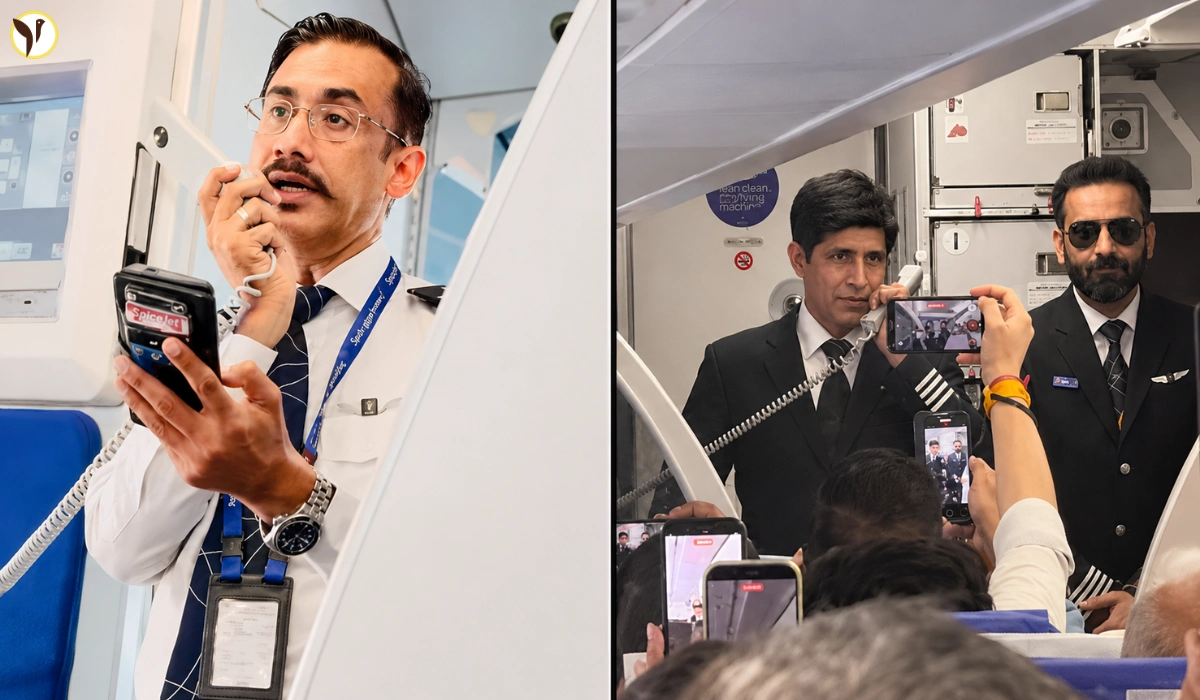
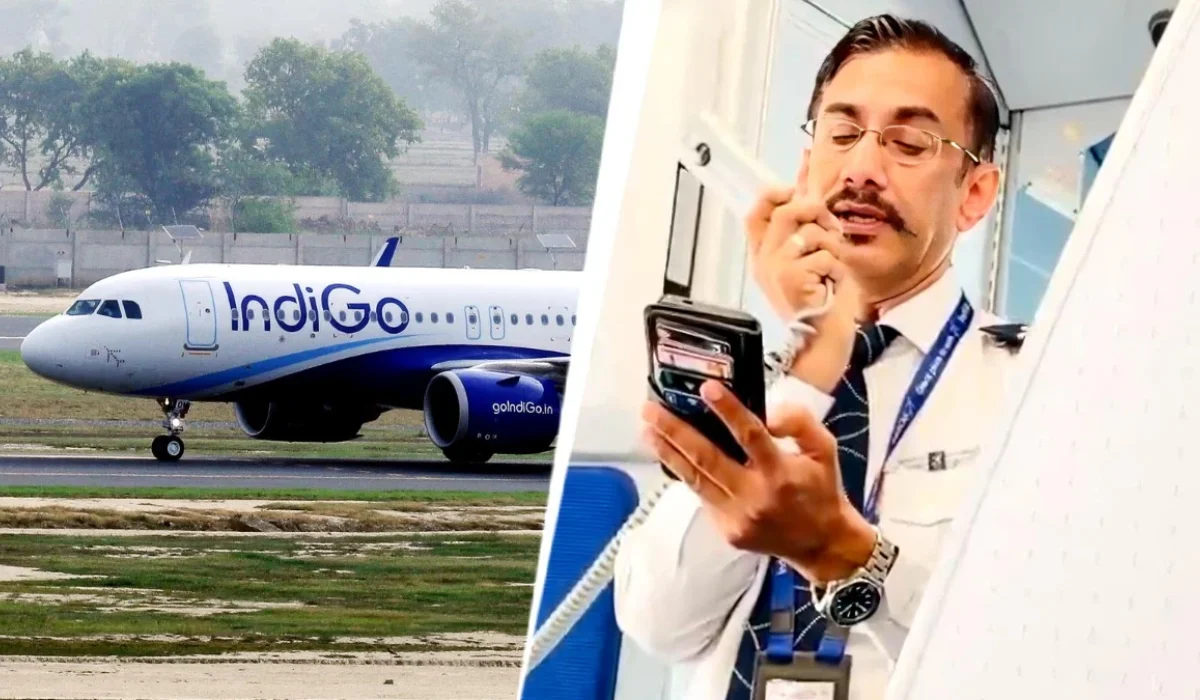
When crowds across Delhi NCR cheered the opening of Noida International Airport on June 15, 2026, one voice cut through the celebration with a question that would define the day's true meaning. An IndiGo pilot, standing at the cockpit door of the airport's first departing flight, asked his passengers: "Who made this possible?"
The answer wasn't politicians or bureaucrats. It was the 170 farmers from Jewar sitting in his cabin — people who had surrendered their ancestral farmlands to build what will become India's biggest airport and Asia's largest cargo hub.
The Morning Everything Reversed
At 7:58 AM on June 15, 2026, IndiGo flight 6E-2278 touched down at Noida International Airport, having departed Lucknow's Chaudhary Charan Singh International Airport at 7:12 AM. It was a 46-minute flight — functionally unremarkable by every aviation metric. But nothing about it was ordinary.
On the return leg from Jewar to Lucknow that followed, the seat manifest told a story that spreadsheets cannot: nearly 170 villagers from the Jewar region of Gautam Buddha Nagar, whose ancestral farmland was acquired over several years to build this very airport, became its very first passengers. They sat in economy class seats above a runway that had once been their wheat fields.
Before the plane pushed back, the IndiGo crew did something no one had scripted into the event management brief. They recited a poem — a tribute to the farmers on board, acknowledging that the aircraft beneath them, the terminal behind them, and the dream above them had been made possible by the people who gave up everything below.
The moment went viral almost immediately. But before we talk about the emotion, it is worth understanding the infrastructure and the sacrifice that made it real.
What Noida International Airport Actually Is
India has built airports before. What makes Jewar — the common name for the project located near the town of Jewar along the Yamuna Expressway in Uttar Pradesh — different is its scale of ambition from day one.
|
|
|
|
|
|
|
|
|
|
|
|
|
|
|
|
|
|
|
|
|
|
|
|
|
|
|
|
|
|
|
|
|
|
|
|
|
|
|
|
|
|
Phase 1 is just the beginning. Government projections outline a trajectory that is extraordinary even by global standards: 30 million passengers per year by 2031, 50 million by 2036, 70 million by 2040, and in its final form, the capacity to serve 225 million passengers across five runways — potentially making it one of the largest airports in the world by footfall.
How 1,334 Hectares of Farmland Became a Runway
The idea for an airport in Jewar is older than most people realise. It was first proposed in 2001 by then-UP Chief Minister Rajnath Singh, shelved, revived, shelved again, and finally given serious political velocity after 2017. The land acquisition story that followed was neither simple nor without resistance.
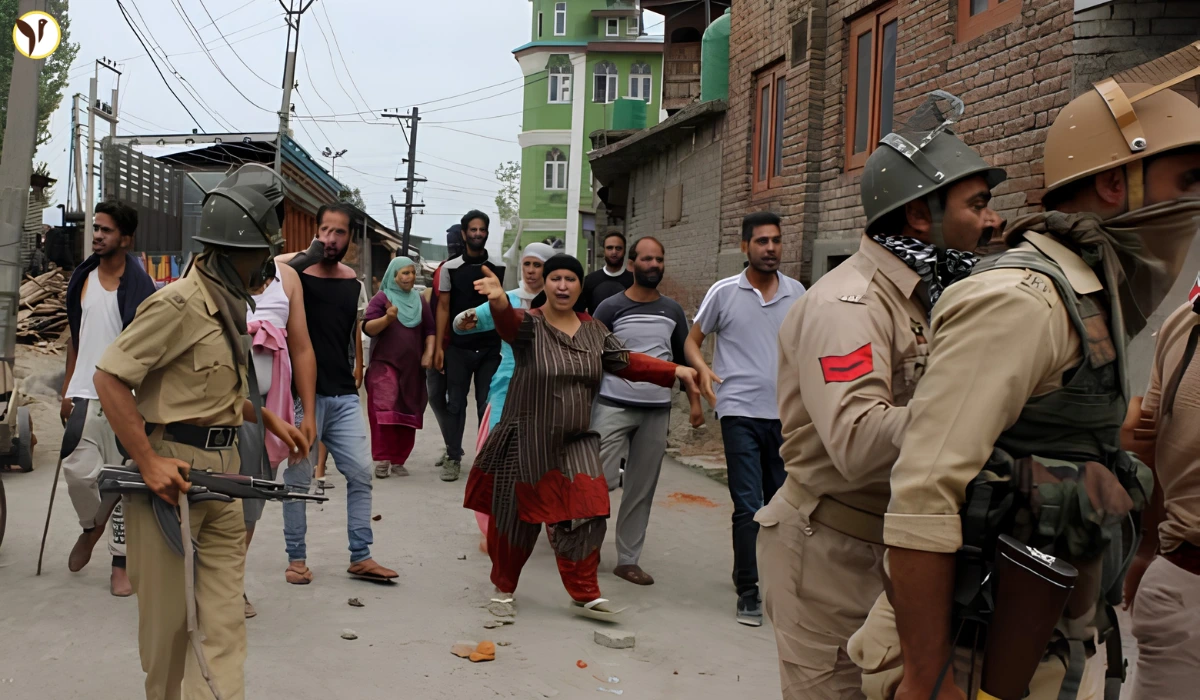
Six villages — Ranhera, Parohi, Rohi, Kishorpur, Dayanatpur and Banwarivas — bore the primary burden. Thousands of families were affected. Court cases were filed. Protests were staged. In 2019, 44 farmers were arrested in Dayanatpur for demonstrating against the compensation rates on offer. At one point, officials from YEIDA even floated the possibility of scrapping the project if farmers did not agree — a sign of how contested the process was.
Eventually the land was acquired. Eventually compensation was paid. But "eventually" rarely accounts for what is lost in the interval — livelihoods, certainty, and the invisible fabric of a community built around land.
"The very families who dedicated their ancestral land for the national interest are today taking to the skies from that same soil. Hands that once tilled the land now hold boarding passes."— Dhirendra Singh, Jewar MLA, June 15, 2026 (PTI)
One elderly farmer — approximately 65 years old — who flew on the historic June 15 flight told reporters he had given 30 bighas of land and was glad to see development. He added, with quiet restraint: "We were also promised a job but are yet to get it."
That sentence, more than any inauguration speech, captures the unfinished ledger of India's infrastructure decade.
The Pilot, the Poem, and What It Meant
The water cannon salute was expected. The presence of Uttar Pradesh Assembly Speaker Satish Mahana, Chief Secretary SP Goyal, and actor Gul Panag on the inbound flight was noted. The pilot of the incoming 6E-2278 addressed passengers and described the occasion as a dream come true.
What was not on any official schedule was what happened just before the farmers' departure flight lifted off. The IndiGo crew recited a poem that honoured these 170 people — not as beneficiaries of a government scheme or props in a press event, but as the architects of an airport they had never planned to use.
The poem did not trend because it was polished. It trended because it was true. In a country where infrastructure inaugurations typically generate footage of ribbon-cutting and speechifying, a flight crew stopping to say — on behalf of everyone who cheered — we know who made this possible, landed differently.
Later that day in Lucknow, Chief Minister Yogi Adityanath received the group at his official residence. He reflected on how the project was met with resistance in its early days and acknowledged the transformation those families had witnessed firsthand. The gathering closed a loop that began with dispossession and ended — at least symbolically — with a seat on a plane.
The Infrastructure Timeline: From Idea to Runway
|
|
|
|
|
|
|
|
|
|
|
|
|
|
|
|
|
|
|
|
|
|
|
|
|
|
|
|
|
|
What Comes Next — and What Remains Unsaid
Noida International Airport is expected to significantly ease the chronic congestion at Delhi's Indira Gandhi International Airport, which handles a vastly disproportionate share of NCR-region passenger traffic. The new airport is positioned to serve travellers from western Uttar Pradesh — covering Agra, Mathura, Aligarh, Ghaziabad and Etawah — as well as parts of Haryana, Rajasthan and Uttarakhand.
Metro and pod-taxi connectivity are in various stages of planning. A Ground Transport Centre is being developed in three phases to accommodate 50,000 vehicles. UPSRTC already runs direct bus routes connecting over 25 cities. The airport uses LC3 low-carbon cement and targets net-zero emissions — claims that will need to be borne out over years of operation, not a single inauguration morning.
That is the story one pilot understood on the morning of June 15, 2026. Somewhere between the boarding call and the water cannon salute, he put it into verse and gave it back to the people who deserved to hear it.
Other Articles to Read: