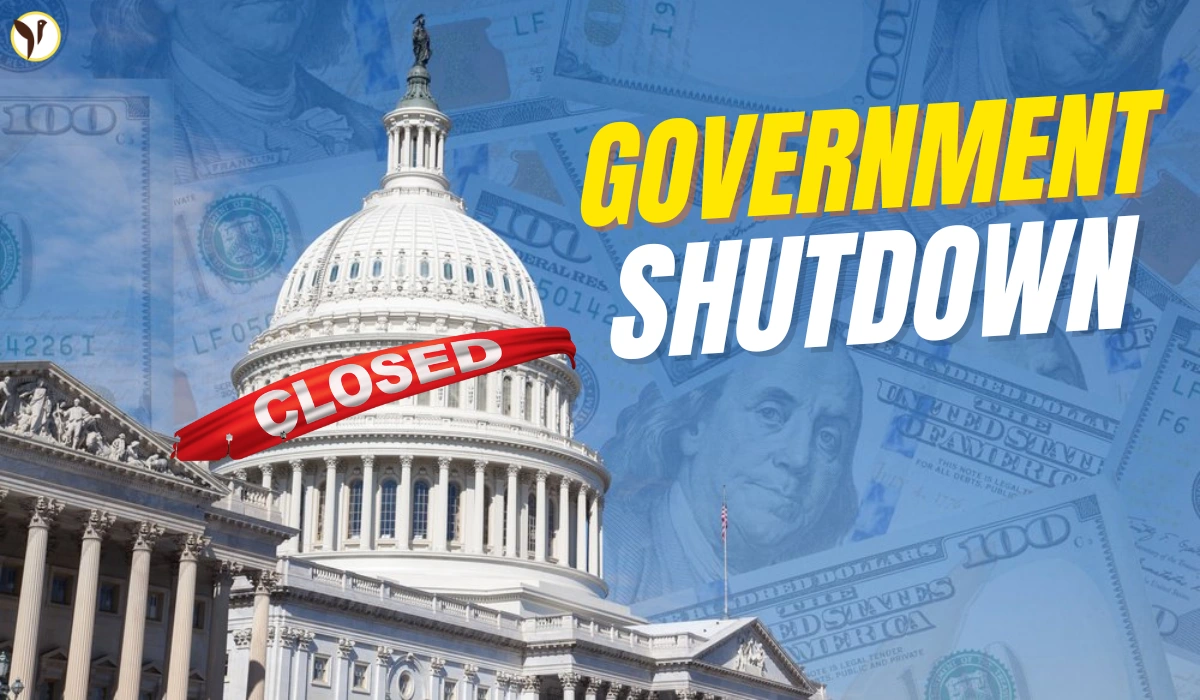


With the January 30, 2026 deadline approaching, Congress faces yet another looming possibility of a partial shut down of the federal government in the U.S. Due to the unprecedented 43 days that the federal government was shut down in late 2025, there is immense pressure from lawmakers to finalize their spending legislation before the upcoming deadline.
If Congress cannot come to a compromise by the end of January 2026, many federal agencies and programs across the U.S. will cease operations impacting millions of Americans and the critical services they provide.
What Is a Government Shutdown?
A government shutdown occurs when Congress fails to pass appropriations bills or a temporary funding extension (continuing resolution, or CR) to keep federal agencies operating. When funding lapses:
-
“Non-essential” government services are paused.
-
Federal employees may be furloughed (placed on unpaid leave).
-
Some essential personnel remain working but without immediate compensation.
-
Public services like park operations, research grants, and federal support programs risk disruption.
While mandatory programs such as Social Security and Medicare typically continue, many discretionary programs and services stop functioning.
Why January 30, 2026 Is a Critical Deadline
After the longest shutdown in US history — a 43-day lapse in government operations that ended in November 2025 — Congress passed a temporary continuing resolution that funds many, but not all, federal agencies through January 30, 2026.
This means the government is open today, but the funding authority expires at midnight on January 30 unless Congress acts. The expiration applies to agencies still on temporary funding, such as:
-
Defense (beyond temporary authorization)
-
Homeland Security
-
Health and Human Services
-
Transportation
-
Labor
-
Education
If no new legislation is approved, activities in these departments could partially cease.
Current Status: Battling Toward Funding, Shutdown Risk Looms
In recent days, congressional leaders reached agreement on a wide $1.2 trillion plus funding package intended to prevent a shutdown. This bill would fund most federal agencies at negotiated levels, rejecting many earlier proposed cuts from the Trump administration and providing stable financing for core programs.
Despite that progress, the Department of Homeland Security (DHS) funding bill remains a flashpoint. Many House Democrats are now gearing up to oppose it due to ongoing concerns over enforcement practices by Immigration and Customs Enforcement (ICE), especially in light of the deadly January 7 incident in Minneapolis. They argue the current bill does not provide enough oversight or reform.
House Republican leaders, meanwhile, continue to push the package forward, confident they have a narrow majority to pass it even in the absence of broad Democratic support.
Should the DHS funding bill fail while other parts of the package pass, the result could be a partial shutdown affecting DHS programs while other agencies continue to operate. This scenario increases legislative complexity and political risk for both parties.
What’s at Stake If a Shutdown Happens?
Impact on Federal Employees and Contractors
An inability to finalize funding would cause many federal workers to be furloughed or to work without pay. Although previous shutdowns have eventually led to retroactive pay once funding resumes, the financial strain on households can be significant.
Federal contractors are particularly vulnerable, as they may see projects paused or canceled without the safety net of back pay.
Public Services and Programs
Critical programs and services at risk during past shutdowns — and potentially again — include:
-
Airport security and processing delays
-
Permitting and regulatory reviews
-
Scientific research projects
-
Public health programs
-
Veteran services (to varying degrees)
While some functions like Social Security checks generally continue, customer service and new applications can slow dramatically.
More Articles to read:
Prateek Yadav Announces Divorce from Aparna Bisht Yadav Amid Family Drama
Will Uddhav Thackeray’s Statement Boost Shiv Sena’s Mayoral Bid?
Kyrsten Sinema's Legal Battle: How Personal Scandals Impact Her Career
Priyanka Gandhi's Son Raihan's Secret Engagement: With Aviva Baig
Economic Considerations
Economists have historically estimated that shutdowns can shave points off GDP growth and create permanent disruptions in business plans and government contracting cycles. One financial analysis notes that the 43-day 2025 shutdown could have reduced growth by approximately 1 to 2 percentage points in late 2025, with lasting output losses.
Moreover, markets and businesses tend to view recurring funding crises as structural risks, potentially influencing investment decisions and cost forecasts.
Political Dynamics Shaping the Outcome
The disagreement over DHS funding highlights broader ideological divides:
-
Republicans emphasize law enforcement and national security.
-
Democrats push for stricter oversight and limits on controversial practices.
Both sides face pressure from their bases and political action arms, making compromise difficult with just a few days before the deadline.
What Happens Next: Congress in the Final Stretch
To avert a shutdown, Congress has three basic options:
-
Pass the full funding package as negotiated.
-
Adopt another short-term continuing resolution to buy more time.
-
Face a partial or full shutdown beginning January 31 if no agreement is reached.
The House could vote on the final package this week, followed by the Senate. Success is not assured given the margin dynamics and intra-party tensions.
Why This Matters to Americans
For citizens, the stakes are not abstract:
-
Federal jobs and paychecks
-
Access to government services
-
Economic stability
-
National security and safety
Understanding the deadline and how close lawmakers are to a deal helps individuals prepare and anticipate potential disruptions.