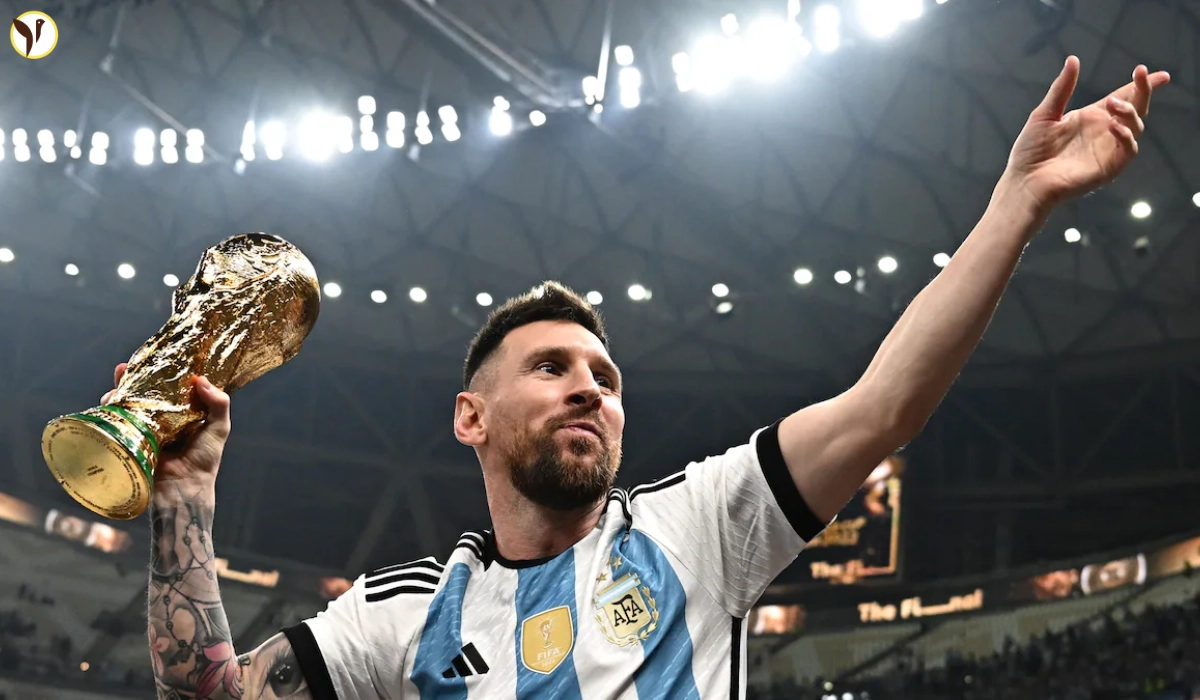


For twelve days, Lionel Messi stood alone at the top of World Cup history. On June 30, 2026, that solitude ended. Kylian Mbappé's brace against Sweden pulled him within a single goal of Messi's all-time record for the Messi World Cup goals record — turning what looked like a coronation into a genuine race, with both men still on the pitch at the same tournament.
What Happened
Lionel Messi became the all-time top scorer at the FIFA World Cup on June 22, netting twice against Austria to surpass Miroslav Klose's long-standing record of 16 strikes. He broke the 12-year-old record with his 17th goal before adding an 18th to seal a 2-0 win, taking his tournament tally to five. Messi later added a further goal against Jordan, pushing his outright career total to 19 World Cup goals.
Eight days later, on June 30, Mbappé answered. France beat Sweden 3-0 in the round of 32, with Mbappé scoring twice, and this brace took his career World Cup goal total to 18 — breaking a tie with Klose for outright second place on the all-time men's scoring list, and leaving him just one goal behind Messi's 19.
The two men are no longer separated by a comfortable margin. They are separated by one finish.
Why It Matters
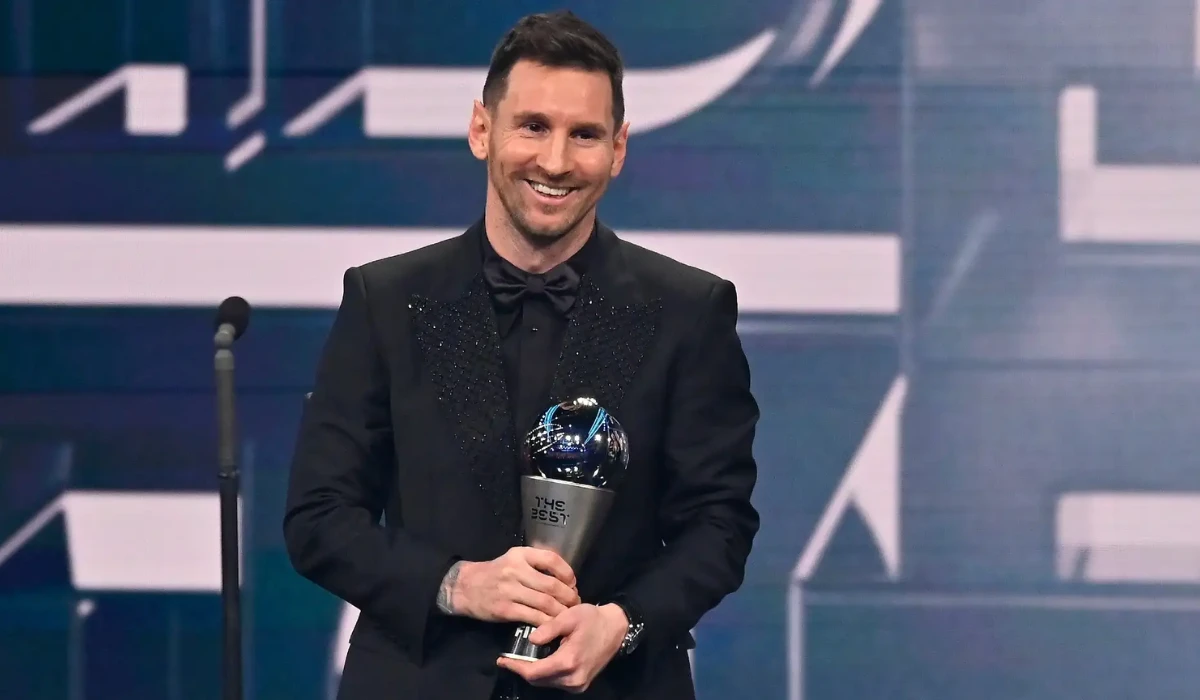
This is not simply two players chasing a number. Messi and Mbappé were teammates at Paris Saint-Germain, and both entered this tournament with their sights set on Klose's record. What makes the current chase remarkable is the disparity in how each man got here.
Messi has needed six World Cups to build his tally, and averages roughly two goals every three matches across his 29 tournament appearances. Mbappé, 27, has reached his total in far fewer appearances — 17 matches before this round — averaging closer to one goal per game. Put simply: Messi's record took two decades to construct. Mbappé is threatening it in a third of the time.
Mbappé also became France's all-time leading scorer earlier in this tournament, passing Olivier Giroud's mark of 58 goals, meaning he is rewriting national and global history in the same fortnight.
Messi World Cup Goals Record: Career Scoring Comparison
|
|
|
|
|
|
|
|
|
|
|
|
|
|
|
|
|
|
|
|
|
|
|
|
|
|
|
|
|
|
How Messi Got Here First
Klose set the previous benchmark of 16 goals across four World Cups between 2002 and 2014, and held the title for twelve years. Messi's own path to the record was not linear — he failed to score at all in the 2010 tournament in South Africa, despite a stellar club season with Barcelona, and Argentina exited that edition in the quarter-finals. It took until this, his sixth and almost certainly final World Cup, for the record to fall.
Messi's route to 18 goals included a hat-trick against Algeria in the opening match, before he equalled and then passed Klose against Austria on June 22. Notably, Messi's brace against Austria also surpassed Brazilian great Marta's combined men's-and-women's World Cup record of 17 goals, making him the outright leading scorer across FIFA World Cup history, regardless of gender.
Messi has now scored 12 of his 18 World Cup goals after turning 35 — more goals at this stage of a career than Harry Kane, Cristiano Ronaldo, Diego Maradona, Rivaldo, Neymar or Thierry Henry managed in their entire World Cup careers combined with age factored in. That single stat captures why this record has felt less like a formality and more like an act of defiance against footballing age.
⚽️ 𝕄𝔹𝔸ℙℙ𝔼 𝕍𝕊 𝕄𝔼𝕊𝕊𝕀 ⚽️
— SABC Sport (@SABC_Sport) July 1, 2026
The Kylian Mbappe 🇫🇷 and Lionel Messi 🇦🇷 rivalry is continuing at FIFA World Cup 2026 and is hitting fever pitch 🔥
Who are you backing to come up trumps?#SABCSportFootball #AllInAllOfUsKaofela #FIFAWorldCup pic.twitter.com/x7nDSnQC7s
The Klose Reaction
Klose himself addressed the record before it fell. Speaking to FIFA ahead of the tournament, the German great said he had always admired how Messi solved problems on the pitch and carried himself, adding that Messi had a way of bringing his team to life that earned genuine respect. It is a rare gesture in elite sport — the record-holder publicly welcoming his own dethroning.
What Happens Next
With Argentina and France both alive in the knockout stages, the maths is simple and unforgiving: Mbappé needs one more goal to draw level with Messi, and two to move ahead. Every match either side plays from here carries record-book stakes layered on top of tournament stakes.
A few scenarios are worth tracking:
- If Mbappé draws level or overtakes Messi before Argentina is eliminated, the two could theoretically finish the tournament with Messi reclaiming the outright lead in a later match — a genuine back-and-forth rather than a settled record.
- If Argentina is eliminated first, Messi's tally is frozen, and Mbappé would need only to keep scoring at his current rate to pass him outright — plausible given his one-goal-per-game pace this tournament.
- The Golden Boot race remains separate but connected. Mbappé has scored six goals in this tournament, level with Messi, but currently leads the Golden Boot race on assists. A player can hold the all-time career record without winning this edition's top-scorer prize, or vice versa — the two storylines will likely diverge before the final.
- Erling Haaland remains a wildcard. Haaland has five tournament goals, one behind the Messi-Mbappé pace, and could still complicate the Golden Boot picture even without threatening the all-time record.
This is Messi's sixth and, by his own public framing over recent years, likely last World Cup. If Mbappé does not catch him in North America, the record may stand for years — Mbappé's next realistic opportunity would be 2030, when he will be 31. If Mbappé does catch or pass him this tournament, it will have taken a fraction of the time Messi needed, reshaping how the sport talks about longevity versus peak efficiency in front of goal.
Other Articles to Read: