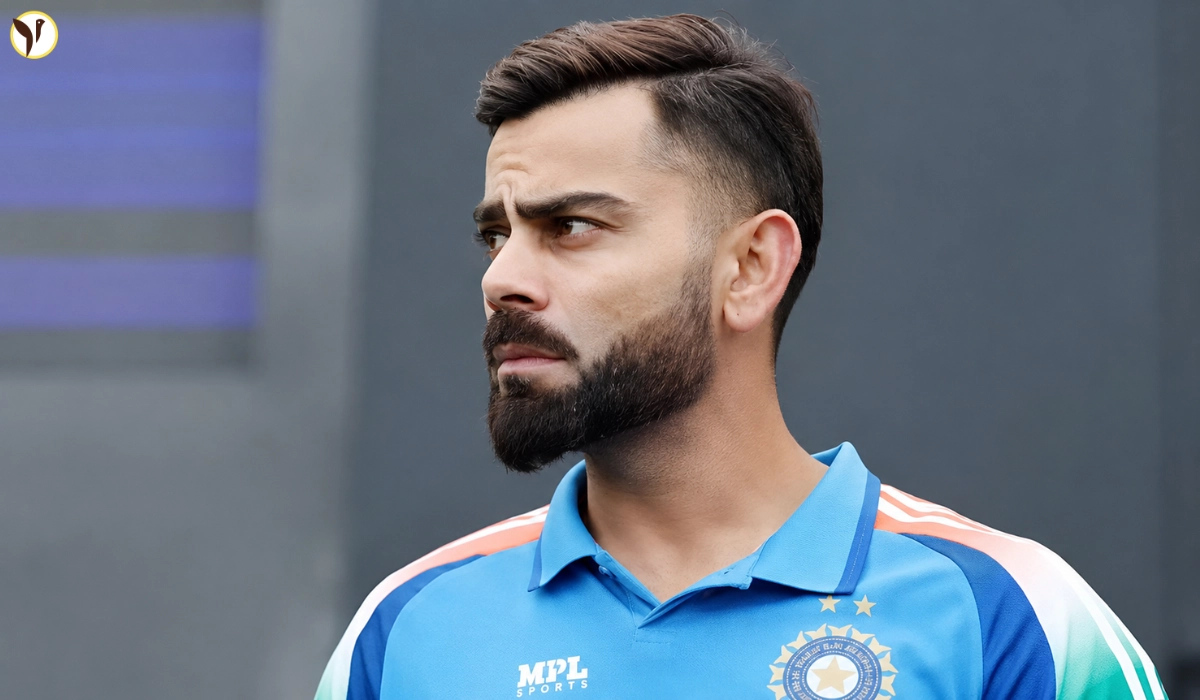


Injured mid-triumph at the IPL 2026 final, Kohli took the field with a torn hamstring and still won his team the title. Three weeks later, he's cleared to race back toward international cricket — and possibly toward a milestone that belongs to only one other person in history.
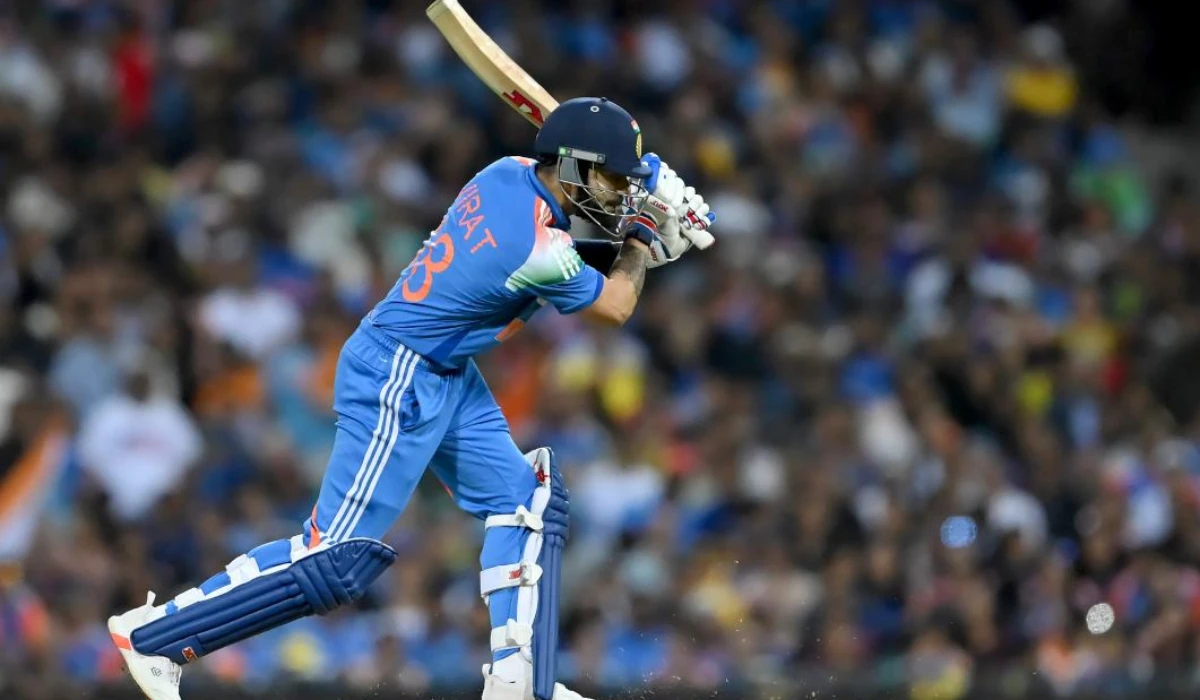
It was supposed to be a routine celebration. On May 31, 2026, Virat Kohli walked off the Narendra Modi Stadium pitch in Ahmedabad having just steered Royal Challengers Bengaluru to their second consecutive IPL title — a match-winning, unbeaten 75 off 42 balls that dismantled Gujarat Titans' 156-run target with authority. RCB's dressing room erupted. And then, quietly, came the news: Kohli had played that knock with a hamstring tear.
A lesser cricketer might have folded mid-innings. Kohli batted through it, climbed the podium, and then submitted to the reality of rehabilitation. Now, three weeks on, that rehabilitation has reportedly moved faster than medical teams initially anticipated — and India's most followed batter may be available for the three-match ODI series against England that begins July 14 in Birmingham.
The Injury: What Exactly Happened on May 31
Medical sources and BCCI communications confirmed that Kohli sustained a distal semimembranosus tendon tear — a specific form of hamstring strain — during his innings in the IPL 2026 final. The injury is located at the lower attachment point of one of the three hamstring muscles, which typically involves a more targeted but potentially nagging recovery if rushed.
What made Kohli's case unusual is that he didn't just play through the discomfort — he finished as the match-winner. That speaks both to pain tolerance and the psychological specificity of elite sport, but it also complicated the medical picture. Playing on an acute tear risks converting a Grade 1 or Grade 2 strain into something more structural. The BCCI medical team and Kohli's personal physician evidently chose the conservative path afterwards, ruling him out of the Afghanistan ODI series as a precautionary measure, with Yashasvi Jaiswal drafted in as his replacement.
Recovery Timeline: Faster Than Expected
Initial estimates after the IPL final left Kohli's England availability uncertain. BCCI chief selector Ajit Agarkar, at the time of announcing the Afghanistan squad, was candid about not having a definitive timeline from the physio. "It looks like he might be fit for that England one-day series. It's not a definitive answer, don't hold me to it," Agarkar told reporters.
The situation has changed significantly since then. Multiple sources cited in TOI, IANS, and Cricketcountry now confirm that Kohli's recovery has outpaced initial projections. He spent part of his rehabilitation period in London before returning, and is expected to report to the BCCI's Centre of Excellence (CoE) in Bengaluru for his official fitness assessment very soon — possibly as early as June 22-23, following the conclusion of his One8 brand's Global Premiere event in New Delhi on Sunday, June 21.
BCCI Secretary Devajit Saikia confirmed that the selection committee meeting for the England ODI squad will be held within "three to four days" of June 19 — placing the announcement window before June 23. Kohli's CoE fitness clearance is the final step before selectors can formally include him.
Key Dates: Kohli's Road from Injury to England
|
|
|
|
|
|
|
|
|
|
|
|
|
|
|
|
|
|
|
|
|
|
|
|
|
|
|
|
|
|
|
|
|
|
|
|
Why England, Why Now: The Stakes Beyond a Comeback
If this were a straightforward fitness-and-selection story, it would end here. But Kohli's return to international cricket carries a specific weight in July 2026 that makes it more than a wellness update.
He needs just 203 runs to become only the second batter in the history of ODI cricket — after Sachin Tendulkar — to cross 15,000 runs in the format. At his current pace, that could happen within this England series or shortly after. Kohli already holds the record for most ODI centuries outright, with 54 hundreds in 311 matches — a figure that surpassed Tendulkar's tally some time ago.
Then there is the ODI World Cup 2027 context. With the tournament less than 18 months away, every ODI now carries selection and form implications. India have played a rotational approach in bilateral series, but their World Cup core — of which Kohli remains a certainty — needs rhythm and match time. Missing the Afghanistan series was pragmatic. Missing England as well would mean Kohli arrives at the World Cup cycle with a significant gap in competitive exposure.
Virat Kohli — ODI Statistics: Form in Focus
|
|
|
|
|
|
|
|
|
|
|
|
|
|
|
|
|
|
|
|
|
|
|
|
|
|
|
|
|
|
|
|
|
|
|
|
|
|
|
|
The Hardik Variable — and What It Means for India's Squad Composition
Kohli is not the only senior player racing the clock toward England. Hardik Pandya, the seam-bowling all-rounder, has also been at the BCCI Centre of Excellence in Bengaluru after a leg niggle kept him out of the Afghanistan ODI series. According to IANS, Pandya resumed light training at the CoE facility approximately four to five days before June 20, with intensity expected to increase incrementally before his medical report is submitted to selectors.
The availability or absence of both players will define India's balance for the series. Kohli anchors the middle order in a way no other current Indian batter quite does in ODI cricket. Pandya provides the batting depth and bowling dimension that allows India to play an extra specialist. Both fit = India field their strongest possible ODI unit. One or neither = India's management will have decisions to make about role responsibilities deeper in the batting order.
VIRAT KOHLI: MOST ODI HUNDREDS IN THE WORLD SINCE 2020 👑
— 𝗩𝗞 𝟭𝟴 (@gurlabhsingh610) June 20, 2026
11 centuries in 66 innings. Only Indian with 10+ tons this decade.
THE WORLD LEADERBOARD SINCE 2020:
𝟭. 𝗩𝗶𝗿𝗮𝘁 𝗞𝗼𝗵𝗹𝗶 🇮🇳 - 𝟭𝟭 [𝟲𝟲 𝗶𝗻𝗻𝘀]
2. Shai Hope 🌴 - 11 [77 inns]
3. Quinton de Kock 🇿🇦 - 9 [46… pic.twitter.com/qRGq13LnNA
The Format Dimension: What ODI Cricket Means to Kohli Now
Since retiring from T20Is and Tests, Kohli has narrowed his international focus entirely to ODIs. His last international appearance was in the home series against New Zealand in January 2026. This makes the England series his first international cricket since a five-month gap — and his first competitive cricket since the IPL 2026 final on May 31.
That context matters. A return to England, in conditions that have historically been testing for sub-continental batters, is not a soft re-entry. English conditions in July — overcast skies, pitches with more seam movement than India, an English attack that will include quality swing bowling — will examine whether Kohli's eye and timing are back at peak sharpness. History suggests they usually are; he has averaged significantly better in England than most of his contemporaries when conditions have been similar.
What Happens Next
The next 72 hours are essentially the determinative window. Kohli reports to the CoE, undergoes his fitness assessment, and the medical team submits its report to the BCCI selection committee. If everything checks out — and current indicators suggest it will — selectors will include him in an ODI squad that is expected to be announced before June 23.
From there, India will focus on the T20I leg of the England tour first, before the ODI series begins July 14. Kohli, who no longer plays T20Is, is expected to prepare separately and arrive specifically for the ODI phase.
The England series, played across Birmingham, Cardiff, and Lord's, offers India a crucial pre-World Cup opportunity to test their top-order combination under English conditions. For Kohli personally, it represents a return to the format that still holds the most meaning for him — and a chance at a number that only Sachin Tendulkar has ever reached.
That combination — competitive necessity, personal milestone, and the unfinished business of a hamstring that interrupted his finest IPL season — is precisely why this comeback matters more than the usual mid-summer bilateral.
Other Articles to Read: