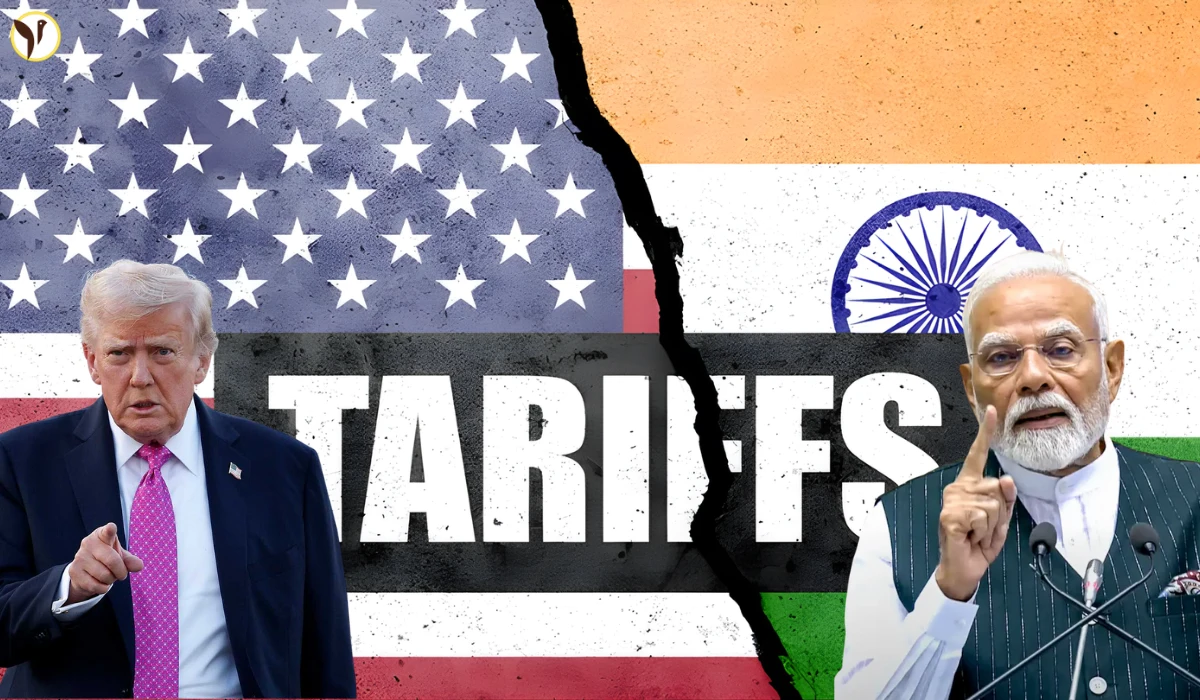


US President Donald Trump has announced a sweeping new trade penalty targeting countries that continue doing business with Iran. In a post on Truth Social, Trump declared that any country trading with the Islamic Republic of Iran will face a 25% tariff on all business with the United States, effective immediately. This decision puts India directly in the firing line. India remains one of Iran’s major trading partners, exporting key goods such as basmati rice, pharmaceuticals, tea, and machinery. With India already facing heavy US duties for other geopolitical reasons, the new tariff threat raises serious concerns for exporters, jobs, and economic growth.
Trump’s Iran Tariff Announcement: What Was Said and Why
US President Donald Trump announced the new Iran-related tariff on January 12 through a post on Truth Social, warning that any country continuing to do business with Iran would face a 25% tariff on all trade with the United States, effective immediately. He connected the decision to Iran’s handling of recent street protests, which reportedly resulted in around 600 deaths and thousands of arrests, saying economic pressure was necessary to force Tehran and its allies to change their approach. Trump also hinted that tougher steps, including possible military action, could follow if the situation deteriorates further. White House officials later indicated that while Iran holds private discussions, it maintains a defiant public stance, making the tariff a pre-emptive economic move aimed at increasing pressure before tensions escalate.
Why the New 25% Tariff Is a Major Problem for India
India is already under pressure from existing US trade actions. At present, Indian goods entering the US face nearly 50% in combined tariffs—half from reciprocal trade duties and half linked to India’s continued purchases of Russian crude oil.
Adding a fresh 25% Iran-related tariff could push total duties on some Indian exports to as high as 75%, making them significantly more expensive and far less competitive in the US market.
Exporters warn this could lead to:
- Falling orders
- Loss of overseas market share
- Job cuts in export-driven sectors
- Slower growth in manufacturing hubs
India–Iran Trade Ties Under Pressure
According to government data, India is among Iran’s top five trading partners. Last year, bilateral trade reached $1.68 billion, broken down as follows:
- India’s exports to Iran: $1.24 billion
- Imports from Iran: $440 million
While this is small compared to India’s $80 billion in annual exports to the US, the timing makes the impact more painful because it comes on top of existing penalties. India primarily exports essential goods to Iran, while importing limited chemical products and agricultural items in return.
Indian Sectors Most Affected by the US Tariff
|
|
|
|
|
|
|
|
|
|
|
|
|
|
|
|
|
|
|
|
|
|
|
|
|
|
|
|
|
|
Impact of the New US Tariff on India’s Economy
Financial markets reacted quickly:
- The rupee weakened amid tariff concerns and weak Asian currencies.
- Exporters warned that 75% total duties make selling to the US nearly impossible in sectors like apparel, gems, and IT hardware.
Employment risks are significant. Rice mills employ lakhs of workers, while pharma hubs such as Hyderabad and Ahmedabad depend heavily on exports. Any sustained slowdown could impact rural incomes and urban manufacturing jobs alike.
Why Trade Issues Keep Coming Up Between the US and India
Trump has repeatedly used tariffs as leverage. India already faced:
- 25% reciprocal tariffs
- 25% penalties linked to Russian oil imports
Total US–India trade exceeds $190 billion annually, with India running a surplus. While earlier administrations focused on strategic alignment, Trump’s second term signals a tougher, security-driven approach.
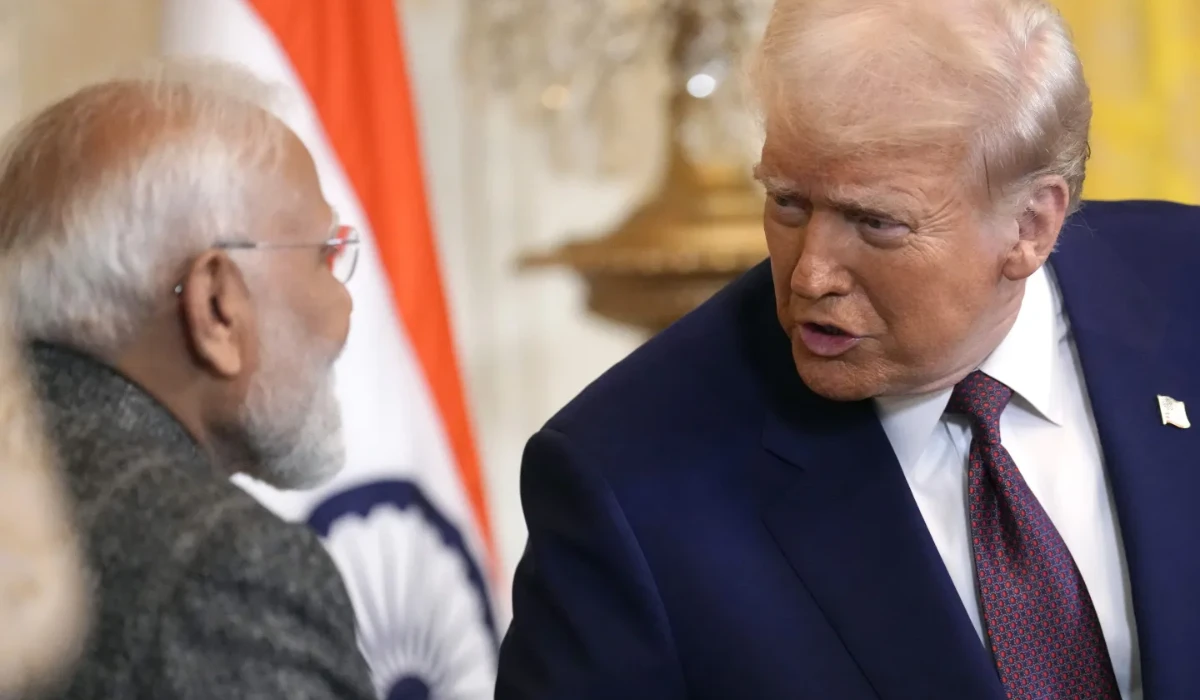
Global Reaction to Trump’s Iran Tariff Move
Other major Iran-linked economies are also affected:
- China, Iran’s biggest oil buyer, is watching markets closely.
- Turkey and the UAE face disruptions due to their role as trade hubs.
- Russia, already aligned with Iran, appears largely unfazed.
Global markets remain jittery, with oil prices rising amid Iran unrest and fears of supply chain shocks.
OTHER ARTICLES TO READ:
- Avengers: Doomsday – Is Robert Downey Jr. Returning as Iron Man?
- Indian Army Soldier Dies in Road Mishap Just Before Becoming a Father
- Will India Face a 500% US Tariff? Here's What The Reports Suggest
- India-Pakistan Drone Crisis: What’s Fueling the Rising Tensions?
- Deepika Padukone and Ranveer Singh Airport Moment Goes Viral
- Priyanka Chopra & Nick Jonas Red Carpet Moments Everyone’s Talking About
- Vijay Hazare Trophy Quarter-Finals: How to Watch Live Streaming and TV Broadcast
- What Did Khushi Mukherjee Say About Suryakumar Yadav? Defamation Case Filed
- Vamika’s 5th Birthday, Anushka Sharma Shares Why Motherhood Changed Her Life
- What Really Caused Indian Idol Winner Prashant Tamang Sudden Death at 43?
- Karan Kundrra Reveals How Tejasswi Prakash Influenced His Game
- Dhurandhar OTT Release: When & Where Can You Watch It Online
- Hrithik Roshan Drops Major Krrish 4 Hint in Powerful Workout Video!
- One Cute Video That Shows Why Priyanka and Nick Are Couple Goals
What Indian Exporters and Government May Do Next
- Indian exporters may start shifting focus to alternative markets such as Africa for basmati rice and South-East Asia for pharmaceutical exports to reduce reliance on the US.
- Companies are likely to hedge currency risks and adjust supply chains to manage higher costs caused by increased tariffs.
- Exporters may lobby the government for urgent talks with the US to seek relief from the additional duties.
- The Indian government is expected to intensify diplomatic engagement with Washington, highlighting strategic interests like the Chabahar Port project.
- Authorities may push faster progress on free trade agreements with other countries to open new export opportunities.