

In recent times, relations between India and Pakistan have soured due to many reasons, however, drones (also known as unmanned aerial vehicles aka UAVs) are becoming a focal point in the growing tension of the two countries. The presence of drones creates another level of anxiety with respect to border security and surveillance and the possibility of attack on the two countries, thereby forcing both countries to put more emphasis on their own counter-drone technology. As increased drone activity along the border of India and Pakistan occurs, it is important to understand why this is happening and the potential implications of it.
What Are the Drones Doing Near the Border?
Drones have long been used for surveillance, but they have recently become a tool for direct conflict. Reports suggest that both India and Pakistan have accused each other of using drones for various purposes, including surveillance of military installations, smuggling weapons, and even launching attacks. In the last few months, there have been incidents involving drones crossing the border, heightening fears of an increase in hostile activity.
One significant development occurred in June 2021 when a drone was reportedly used to drop explosives near an Indian airbase in Jammu. This attack marked a concerning shift in how drones are being weaponized, and it raised alarm bells about the increasing vulnerability of India’s military infrastructure.
Pakistan, too, has faced similar accusations from India, with drones being reportedly used for espionage and smuggling narcotics across the border. The increasing frequency of these activities suggests that drones have become integral to the ongoing conflict between the two nations, making it more complex than ever.
The Broader Context: Geopolitical Implications
The rise of drone activity in India-Pakistan relations is part of a larger geopolitical trend where countries are increasingly turning to unmanned systems for surveillance and combat. Drones offer several advantages, such as the ability to conduct covert operations without putting human lives at risk. However, their use has led to concerns over the potential for miscalculation and escalation.
For India, the threat of drone attacks is compounded by the fact that these drones are often hard to detect. They can fly under radar and avoid traditional border security systems. This makes it difficult for India to track and neutralize potential threats in real-time. As a result, India has ramped up its efforts to bolster counter-drone defenses, including deploying jamming systems and developing new technologies to detect unauthorized drone flights.
On the other hand, Pakistan’s use of drones is also a reflection of its growing military capabilities in this area. In the context of the ongoing Kashmir conflict, drones provide Pakistan with a new way to exert pressure without engaging in traditional warfare. It allows for a more asymmetrical form of conflict, which can be harder to respond to through conventional means.
The Technology Race: India’s Counter-Drone Measures
India has been investing heavily in counter-drone technology to protect its borders and critical infrastructure. The Indian Army has deployed several anti-drone systems, including the Draco anti-drone system, which uses radio frequency to jam and disable drones. Additionally, India has developed radar systems that can track and identify drones, even at night or in poor weather conditions.
The focus is on building a comprehensive defense system that can detect, track, and neutralize drones before they pose a threat. This technology arms India with a defense mechanism that could potentially change the dynamics of the ongoing border conflict. The Indian government has also taken measures to enhance border surveillance through both manned and unmanned systems, aiming to build a multi-layered approach to border security.
Pakistan’s Drone Strategy: What It Means for Security
For Pakistan, drones have become an essential tool in its military and strategic arsenals. The Pakistani military has increasingly relied on drones to monitor Indian troop movements and launch covert operations. Given the technological advancements in drone capabilities, Pakistan is likely to continue expanding its use of these devices as part of its broader defense strategy.
The rise of drone technology in Pakistan has not gone unnoticed by global defense experts. The ability to launch precision strikes with minimal risk has the potential to change the face of modern warfare. However, it also brings up questions about international laws surrounding drone usage, particularly regarding sovereignty and territorial integrity. Both countries' use of drones adds another layer to the already complex and volatile relationship between India and Pakistan.
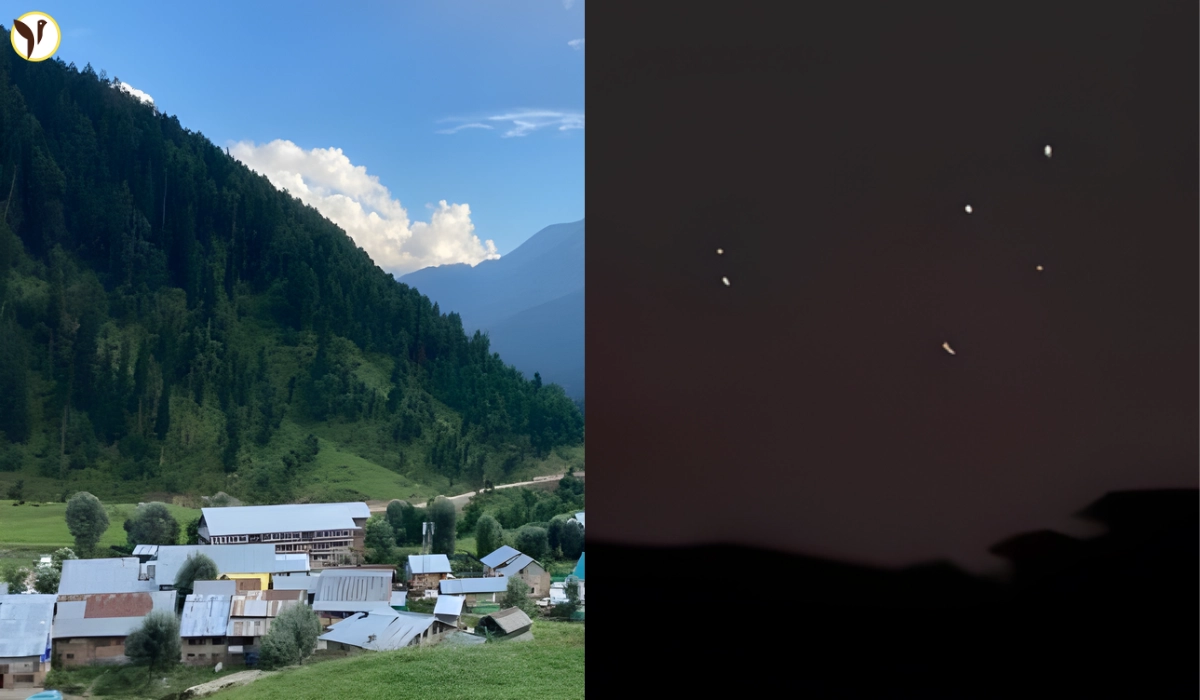
#BREAKING: Indian Army has fired in the air after observing drone movement from Pakistan towards India’s Village Gania, Kaldian of Nowshera of Jammu & Kashmir. MMG and LMG fired at the drones. Yesterday a Pakistani drone had also dropped a consignment in Samba of J&K. pic.twitter.com/vKFRl2TCMf
— Aditya Raj Kaul (@AdityaRajKaul) January 11, 2026
What’s at Stake?
The growing use of drones on both sides of the India-Pakistan border adds an unpredictable element to the ongoing conflict. The risk of an accidental escalation is high, with drones capable of crossing borders undetected and carrying out attacks without warning. This unpredictability makes the region more prone to sudden spikes in tensions, which could have disastrous consequences for both nations.
For India, the primary concern is the safety of its military personnel and critical infrastructure. The use of drones for surveillance and attacks could expose vulnerabilities, especially in remote and difficult-to-monitor areas. Pakistan’s increasing use of drones adds to these concerns, making it necessary for India to continue advancing its counter-drone technologies.
OTHER ARTICLES TO READ:
- Priyanka Chopra & Nick Jonas Red Carpet Moments Everyone’s Talking About
- Vijay Hazare Trophy Quarter-Finals: How to Watch Live Streaming and TV Broadcast
- What Did Khushi Mukherjee Say About Suryakumar Yadav? Defamation Case Filed
- Vamika’s 5th Birthday, Anushka Sharma Shares Why Motherhood Changed Her Life
- What Really Caused Indian Idol Winner Prashant Tamang Sudden Death at 43?
- Karan Kundrra Reveals How Tejasswi Prakash Influenced His Game
- Dhurandhar OTT Release: When & Where Can You Watch It Online
- Hrithik Roshan Drops Major Krrish 4 Hint in Powerful Workout Video!
- One Cute Video That Shows Why Priyanka and Nick Are Couple Goals
- Virat Kohli Meets Mini Kohli: Viral Vadodara Moment Wins Hearts
- Sanjay Dutt’s Daughter Trishala Dutt: Why Did She Say ‘This Is Not Love’?
- Hrithik Roshan 52nd Birthday: Career, Achievements & Life Journey
- Kriti Sanon Steals the Spotlight at Nupur Sanon–Stebin Ben’s Sangeet Night
- After Negative Reviews, Makers Confirm Raja Saab Sequel with Prabhas!
- Himachal Tragedy: 14 Killed, 52 Injured After Private Bus Falls into Gorge
- Who Is Natalie Burn? Actor in Intimate Scene With Yash in Toxic
Conclusion
As drone technology continues to evolve, the relationship between India and Pakistan will likely be shaped by how each country adapts to this new form of warfare. The use of drones introduces new challenges to border security and raises questions about the future of international conflict. Both nations are taking steps to develop counter-drone measures, but the technology is advancing rapidly, and the race for dominance in this area will only intensify.
The ongoing drone activity between India and Pakistan serves as a reminder of the evolving nature of modern warfare and the need for innovative defense strategies. As both countries continue to invest in drone technology, it is clear that the geopolitical landscape of the region is shifting, and it will be essential for international policymakers to address the implications of this technological shift.