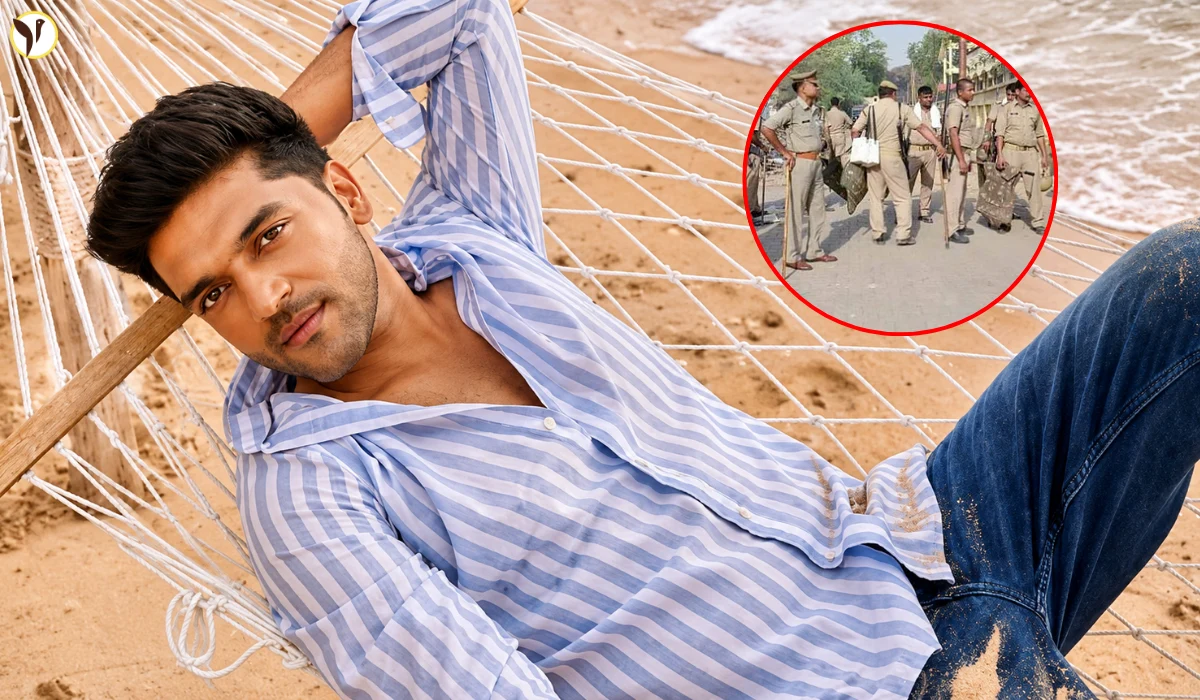


It was 4 in the morning — the kind of hour when Delhi's outer streets are mostly quiet. Then came the sound of gunfire outside a fitness centre in Paschim Vihar, and by morning, a name neither Bollywood nor the music industry wanted to hear again was back in the headlines: Lawrence Bishnoi.
This time, the target wasn't a film set or a celebrity residence. It was a gym. Specifically, Guru Randhawa's 24HS Fitness franchise — and the message attached to the attack was unsettling in its directness: "You're getting too close to Salman Khan."
What Happened: The Shooting at a Glance
Early Thursday morning, June 11, 2026, two unidentified men arrived on a motorcycle outside the 24HS Fitness gym in Delhi's Paschim Vihar locality. They fired multiple rounds at the premises before speeding away into the dark.
|
|
|
|
|
|
|
|
|
|
|
|
|
|
|
|
|
|
|
|
|
|
|
|
|
|
|
The gym's glass window was struck by at least one bullet. Staff arrived around 5:15 AM, discovered the damage, and alerted Delhi Police. Forensic teams moved in, and CCTV footage from nearby locations — since the actual shooting spot was outside the gym's own camera range — is now being reviewed.
The Bishnoi Gang's Claim: "A Trailer Warning"
What elevated this from a routine firing incident to a national story was what followed on social media. A Facebook post and an audio clip — allegedly from Anil Pandit, a US-based associate of the Lawrence Bishnoi gang — surfaced claiming responsibility.
The language used in the audio was chilling in its deliberateness. According to the message, Guru Randhawa had been building a close relationship with Bollywood actor Salman Khan, and this attack was described as a "trail trailer warning" — meaning the gang was making clear this was only the beginning, not the end.
The message is unambiguous: associate with Salman Khan, and you become a target.
Delhi Police's official position as of Thursday morning: the authenticity of the post is still being verified. Investigators are exploring multiple angles — extortion, organised crime links, and personal rivalry. The gym's franchisee owner has been called in for questioning. No arrests have been made yet.
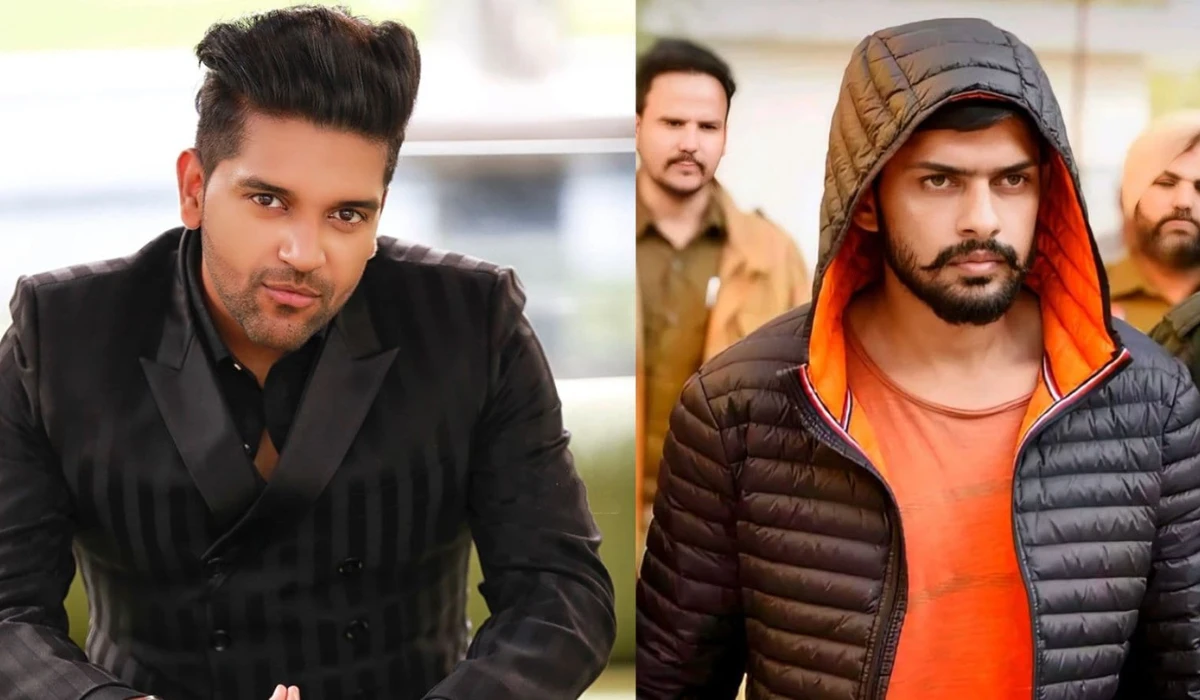
Why Guru Randhawa? The Salman Khan Connection Explained
To understand this attack, you need to understand the Bishnoi gang's longstanding campaign against Salman Khan — one of the most persistent and escalating feuds between organised crime and a celebrity in modern Indian history.
The root cause dates to 1998, when Salman Khan was accused of poaching two blackbucks (chinkaras) in Rajasthan during the filming of Hum Saath Saath Hain. The Bishnoi community considers the blackbuck sacred — as a reincarnation of their Guru, Jambhoji. Lawrence Bishnoi, who rose to lead a criminal network while himself being imprisoned, made punishing Salman Khan a central part of the gang's public identity.
Timeline of major Bishnoi-Salman Khan escalations:
|
|
|
|
|
|
|
|
|
|
|
|
|
|
|
|
|
|
|
|
|
The pattern is unmistakable. The Bishnoi gang — or factions claiming its name — has systematically targeted not just Salman Khan but anyone perceived as part of his professional or social orbit. Kapil Sharma. Aayush Sharma (Salman's brother-in-law). Rohit Shetty. And now, Guru Randhawa.
A Calculated Escalation — Not a Random Act
Security analysts and crime journalists would note one thing immediately about this attack: it was carefully non-lethal. Seven shots, no one hurt, one glass window broken. That is not incompetence — that is calibration.
The Bishnoi gang's apparent strategy with celebrity targets has followed a recognisable playbook:
- Issue warnings (verbal threats, social media posts)
- Demonstrate capability (fire at property, not people)
- Escalate if ignored (move from property to proximity to persons)
In Kapil Sharma's case, the gang allegedly fired at his Canada café four separate times across several months. The January 2026 firing outside Rohit Shetty's Mumbai home fits the same template.
The Paschim Vihar attack on Guru Randhawa's gym follows this script precisely. What makes it notable is that it happened inside Delhi — not abroad, not in Mumbai, but in the national capital — reinforcing that the gang's operational reach has not diminished despite continued police action.
What Delhi Police Are Doing
Multiple investigative teams have been formed. Crime scene specialists have collected ballistic evidence. A case has been formally registered. The gym owner — a Delhi-based franchisee — has been summoned for questioning, though police have been careful to note that their preliminary findings show no confirmed direct link between the fitness centre and Guru Randhawa personally beyond the brand association.
The CCTV challenge is real: by positioning the attack just outside the gym's camera field, the attackers appear to have done basic reconnaissance. Footage from surrounding shops and residences is now being combed for face recognition leads.
Guru Randhawa: The Singer Who Now Faces a Different Kind of Spotlight
Guru Randhawa, born in Gurdaspur, Punjab, built one of India's most consistent chart-topping careers through songs like Lahore, High Rated Gabru, and Ban Ja Rani. He launched the 24HS Fitness brand as a health and wellness venture — a common diversification move among entertainment celebrities in India.
The gang's claim that Randhawa has grown "very close" to Salman Khan has not been independently verified, and neither Randhawa nor his team had issued a public statement by the time of this report's publication. Police, too, have not confirmed the nature or depth of any professional or personal relationship between the two.
But that may be beside the point. The Bishnoi gang's targeting decisions — if the claim is authentic — do not require verified close friendships. They require the perception of proximity to Salman Khan. For a Punjabi pop star whose Bollywood crossover career has taken him into events, concerts, and industry circles where Salman Khan moves, that perception is not hard to construct.
Unidentified assailants on Thursday opened fire at a gym owned by singer Guru Randhawa in Delhi's Paschim Vihar area. The Lawrence Bishnoi gang has claimed responsibility for the attack, citing the singer's reported proximity to Bollywood actor Salman Khan.
— IndiaToday (@IndiaToday) June 11, 2026
Initial… pic.twitter.com/5vJMvRBxze
The Larger Question: Is India's Celebrity Protection System Failing?
This incident raises a question that goes beyond Guru Randhawa.
India's entertainment and music industry has, over the past two years, watched a domestic organised crime network repeatedly demonstrate that it can reach virtually any public figure — in Mumbai, in Delhi, and even overseas. The firing at Salman Khan's own home in April 2024 was the clearest proof. Security has been tightened around major Bollywood figures, but mid-tier and emerging celebrities — singers, fitness entrepreneurs, TV personalities — operate in a grey zone with no state security and limited private protection.
The Bishnoi gang, or those operating under its name, understands this. Targeting a gym at 4 AM in outer Delhi requires far fewer resources and carries far lower risk than targeting a Bandra penthouse. The economics of intimidation are working in the gang's favour.
What Happens Next
- Investigations: Delhi Police will continue piecing together the attackers' route and identity through CCTV reconstruction. Given past cases, arrests are possible within days if digital trails can be confirmed.
- Verification of the claim: Whether Anil Pandit's Facebook post is genuine or an opportunistic fabrication is the central investigative question. The Bishnoi gang name has increasingly been misused by unconnected actors seeking notoriety.
- Security review: Expect informal security advisories to circulate within the entertainment industry. Celebrities with any Salman Khan association may reassess public schedules and venue security.
- Guru Randhawa's response: The singer has not commented. A formal statement is expected. His security arrangements — if any — at his business properties are now under scrutiny.
- Gang status: Lawrence Bishnoi himself remains incarcerated. But as this and many prior incidents demonstrate, incarceration has not curtailed his network's operational tempo.
A Final Note on the "Warning" Frame
The gang's description of this attack as a "trailer warning" carries its own dark logic: in Bollywood parlance, a trailer precedes the main film. It is a deliberate cultural reference — menacing precisely because it is understood.
Guru Randhawa has built a career on music that millions love. He now finds himself cast in a story he did not audition for — one where the genre is not pop, and the consequences of ignoring the warning could be far more serious than a broken gym window.
Whether the threat is real, exaggerated, or the work of a copycat claiming the gang's name for online notoriety, the effect is the same: uncertainty, fear, and a reminder that celebrity in India today carries risks that go well beyond paparazzi and trolls.
Other Articles to Read: