

Reality television changes when the format stops rewarding only fearless performers and starts rewarding people who can last. That is exactly why KKK15 feels different now: the conversation is no longer just about stunts, but about survival, consistency, and mental toughness. Google’s helpful-content guidance favors clear, people-first explanations that answer what happened, why it matters, and what comes next, which is the lens used here.
The Reality Show's Biggest Shift Yet Could Redefine Fear Factor: Khatron Ke Khiladi
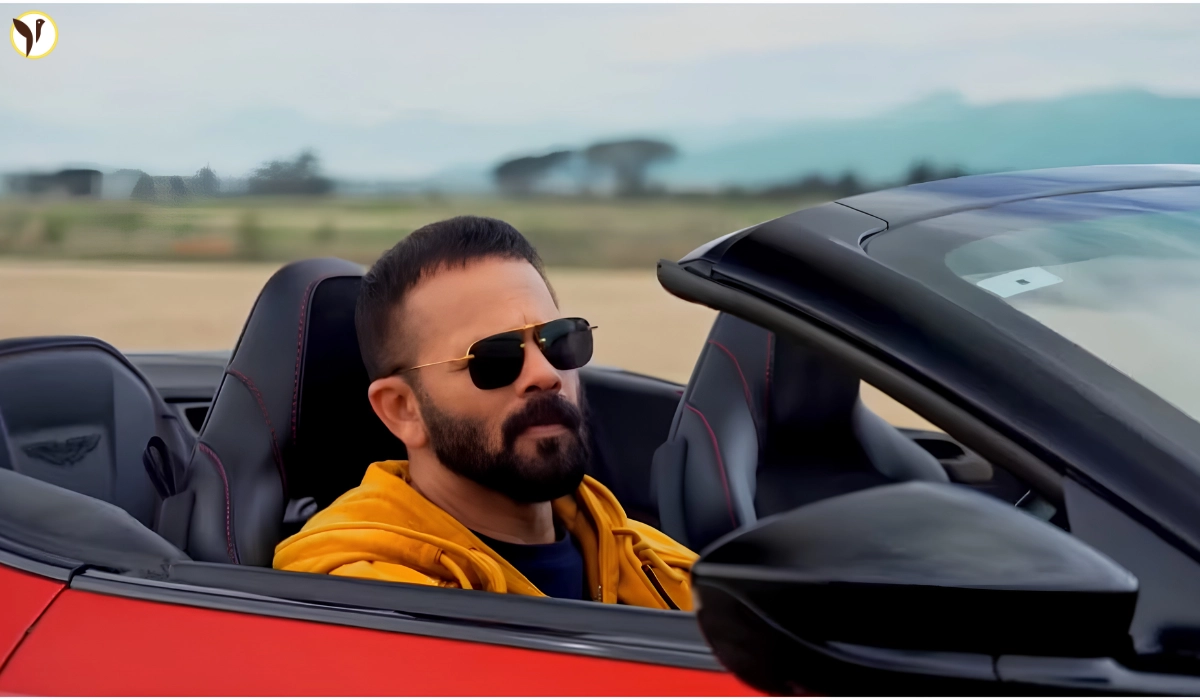
For years, Khatron Ke Khiladi has sold viewers a familiar promise: breathtaking stunts, celebrity courage, and edge-of-the-seat entertainment. Contestants jumped from helicopters, faced dangerous creatures, and tested physical limits under the watchful eye of host Rohit Shetty. But if the conversations surrounding KKK15 are any indication, the show's narrative is evolving.
Season 15 is no longer being discussed solely as a stunt-based competition. Instead, it is increasingly being viewed as a test of endurance, mental resilience, adaptability, and survival under extreme pressure. The shift reflects broader changes in reality television, where audiences are demanding deeper emotional narratives rather than simply watching celebrities perform dangerous tasks.
The question now is not who can complete the toughest stunt. It is who can survive the relentless psychological and physical demands of the competition.
Why KKK15 Feels Different From Previous Seasons
The success of Khatron Ke Khiladi has traditionally been built on spectacle. Contestants were judged by their ability to conquer fear through carefully designed challenges. While fear remains central to the format, recent seasons have increasingly highlighted exhaustion, strategic decision-making, and emotional breakdowns.
KKK15 appears poised to continue that evolution.
Industry observers note that reality television has changed significantly over the past decade. Viewers now engage more deeply with contestant journeys than with individual challenges. Social media discussions often focus less on stunt outcomes and more on resilience, personal growth, and interpersonal dynamics.
This broader trend is influencing how audiences interpret the show.
Rather than seeing contestants as celebrities attempting stunts, viewers increasingly see them as individuals navigating an intense survival environment where every decision carries consequences.

Why the tone of the season has changed
The phrase “not about stunts anymore” signals a broader change in how the season should be read. In early-format reality competition, attention often goes to the flashiest scenes, but a survival phase usually means the participants are now being tested on adaptability rather than showmanship. That shift gives the season more tension because success depends on how well contestants handle fatigue, uncertainty, and repeated pressure.
This also changes how audiences engage with the show. Viewers who tune in for thrills still get drama, but the deeper hook becomes strategy and resilience, which can make each episode feel more consequential. In practical terms, survival-based storytelling usually creates stronger emotional stakes because a single mistake can matter more than a single stunt.
What survival means in KKK15
In a survival-driven setup, the most valuable trait is not simply bravery. Contestants need pacing, judgment, and the ability to keep performing when the easier options are gone. That is a very different kind of entertainment from a pure stunt showcase, because it rewards consistency over one-off spectacle.
It also changes how the show builds suspense. Instead of asking only whether someone can complete a challenge, the real question becomes whether they can keep going after the challenge exposes their limits. That creates a more layered narrative, which is often stronger for long-form audience retention.
What it means for viewers
For the audience, the payoff is usually richer than a standard stunt format. A survival frame makes each episode easier to read because the stakes become clearer: who is adapting, who is fading, and who is managing pressure best. That kind of clarity is one reason people-first storytelling tends to perform better, because it respects what the viewer actually wants to understand.
There is also a practical entertainment benefit. When a show evolves from raw action to endurance-based competition, it tends to create more memorable arcs rather than isolated moments. That means fans are more likely to debate performances, not just reactions, which often extends the life of the season beyond the episode itself.
Why it matters now
This change matters because it can redefine the brand identity of KKK15. A season known mainly for stunts can feel predictable after a while, but a survival-driven season introduces uncertainty and narrative depth. That usually helps a show stay relevant because it gives viewers new reasons to follow the competition week after week.
It also raises the bar for contestants. Once survival becomes the central theme, everyone has to think beyond peak moments and focus on managing energy, nerves, and momentum. In a competitive reality format, that often separates the most entertaining participant from the most complete one.
What happens next
The next phase will likely be defined by whether the show fully commits to this survival identity or tries to balance it with older stunt-based expectations. If the season leans into endurance, planning, and psychological pressure, it may build a stronger long-term narrative. If it keeps reverting to spectacle alone, the survival angle may feel like a temporary slogan instead of a real format evolution.
For editors and publishers covering the story, the most useful angle is to explain the transformation plainly rather than recycle promotional language. Google’s guidance emphasizes helpful, reliable, people-first content, so the strongest coverage should tell readers how the format changed, what it means for the game, and why that matters beyond a single episode.
Other Articles to Read:
- Anushka Sharma’s Wholesome Forehead Kiss For Virat Kohli Hits 1 Million Likes In Minutes
- Diljit Dosanjh Headlined Wembley — His Mom Called It First
- UIDAI CEO Now Runs IndiaAI Mission: mAadhaar App Shutting Down, Download New One
- Imtiaz Ali Says This One Role Could Transform Ranbir Kapoor Forever
- Vashu Bhagnani Slams Inaccurate Reports of PVR Inox Row Over Chunnari
- Anushka Sharma And Virat Kohli Celebrate As RCB Secure Back To Back IPL Titles
- Why Janhvi Kapoor loves working in the Telugu industry over Bollywood
- Tmkoc Star Nehal Vadoliya Claims Divorced RR Cricketer Called Her 'Hot' in DMs