|
||||||
|
A Mountain Falls Silent, Then A Valley Disappears!
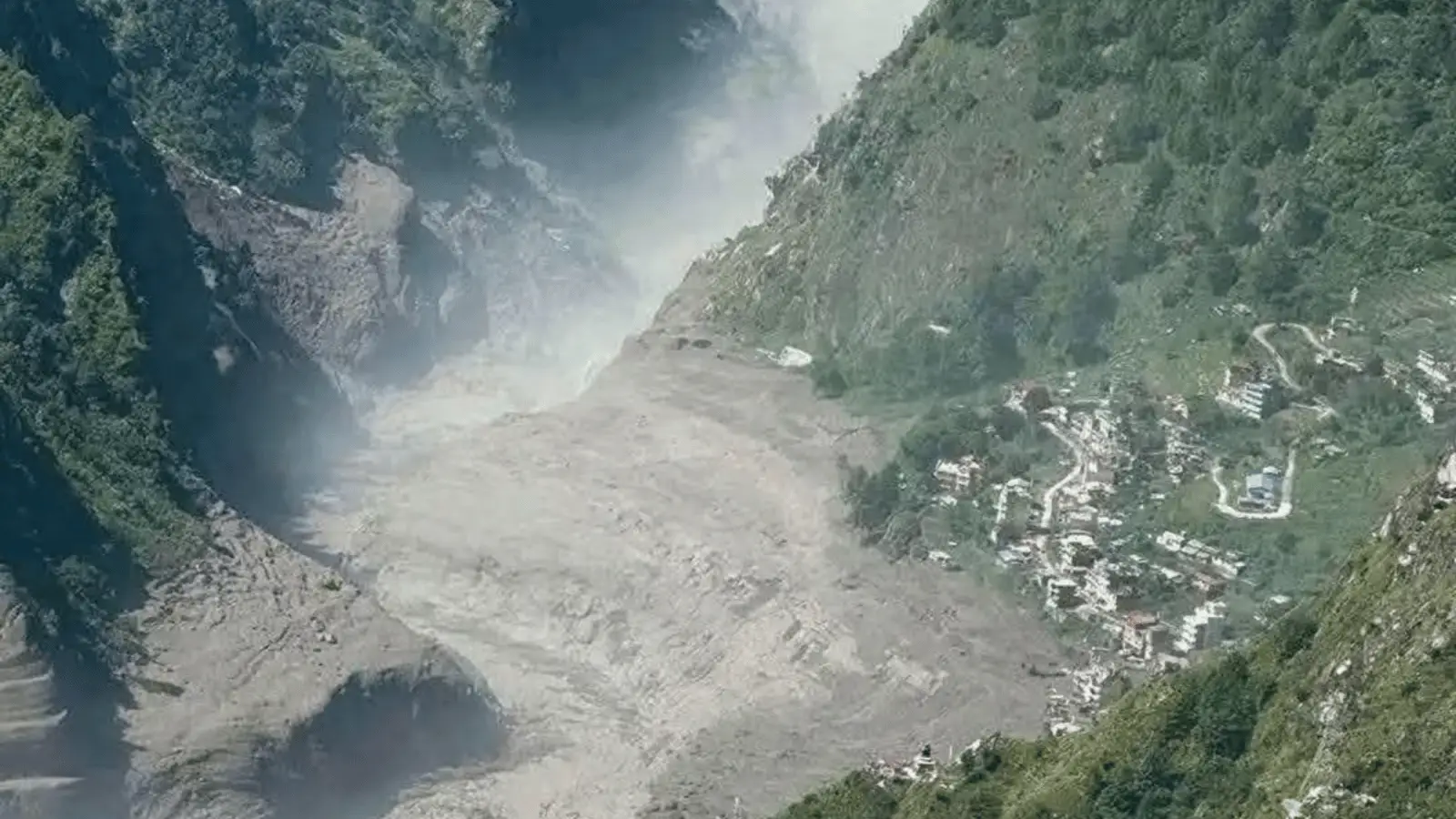
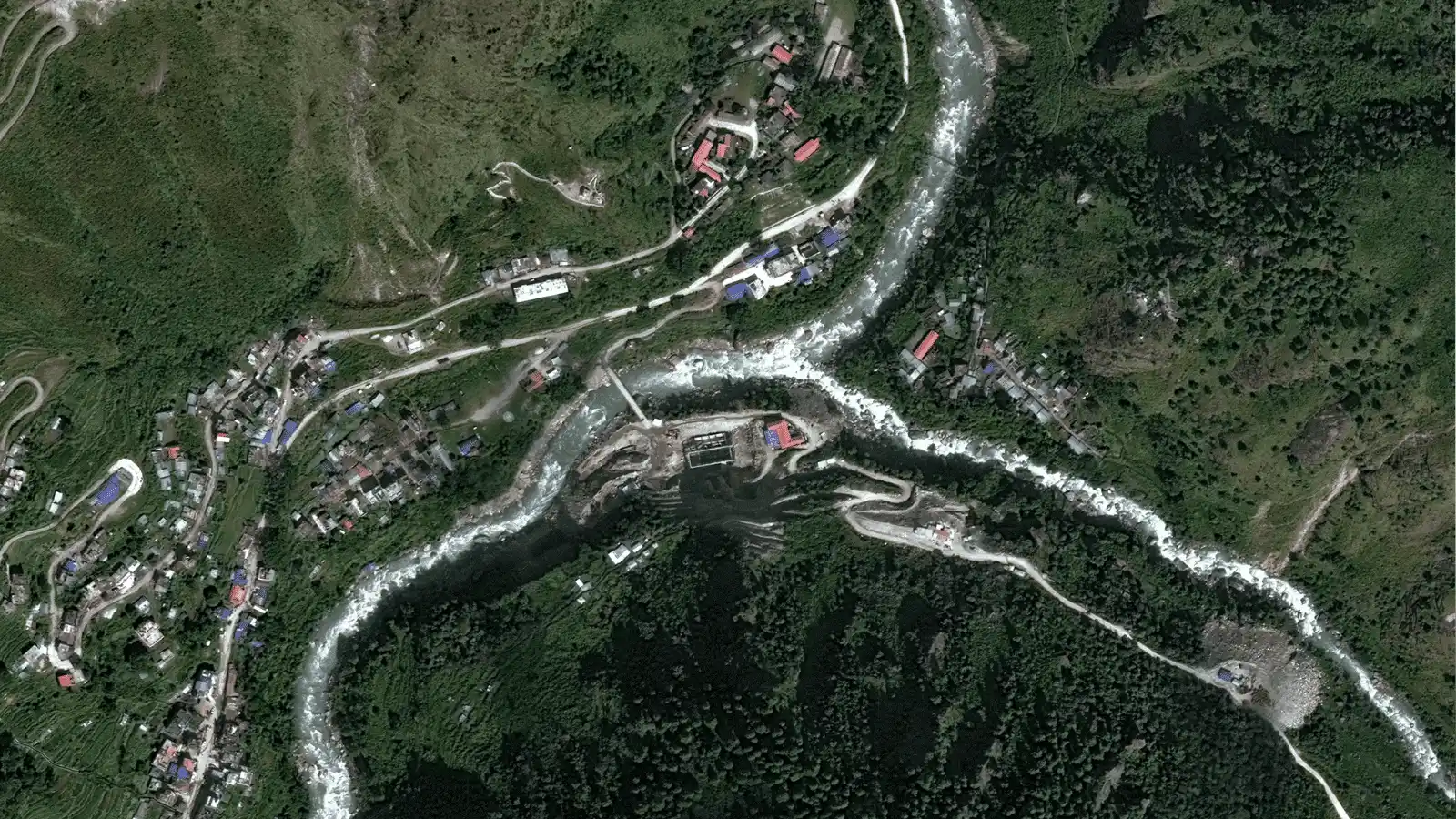
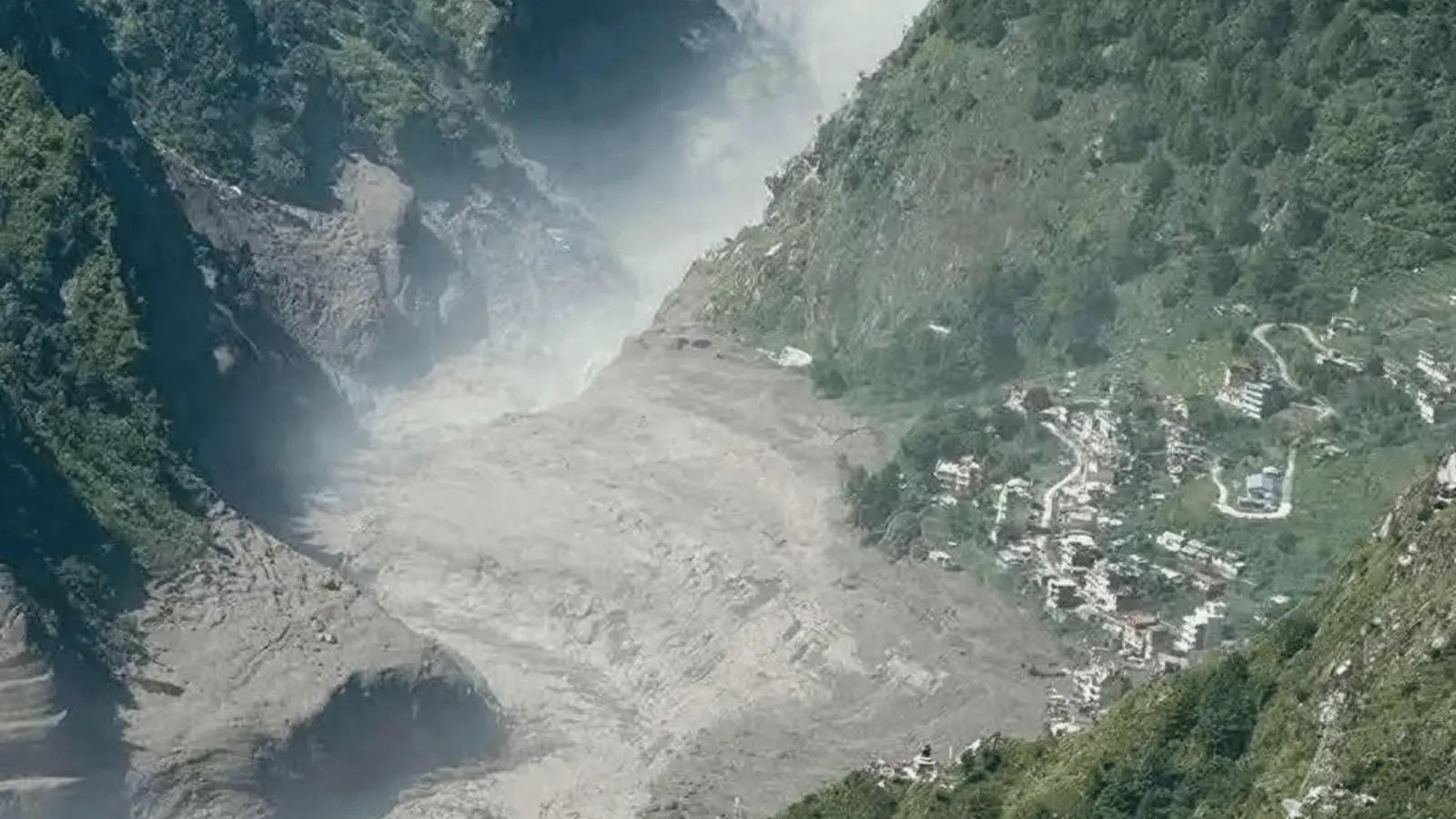
Around 10:30 am on August 26, a massive chunk of glacier sheared off high on Langtang Lirung peak, straddling the Nepal-China border. The collapse triggered a 5.2 magnitude tremor, initially mistaken for an earthquake, before scientists confirmed it was the glacier itself giving way. The falling ice and rock swept downhill, gathering water and debris, and slammed into the Trishuli River system feeding districts like Rasuwa, Nuwakot, Dhading and Gorkha. The China-Nepal border crossing at Gyirong Port, a major trade and pilgrimage gateway, was buried within minutes. The Toll Climbs As Rescuers Battle Impossible Terrain
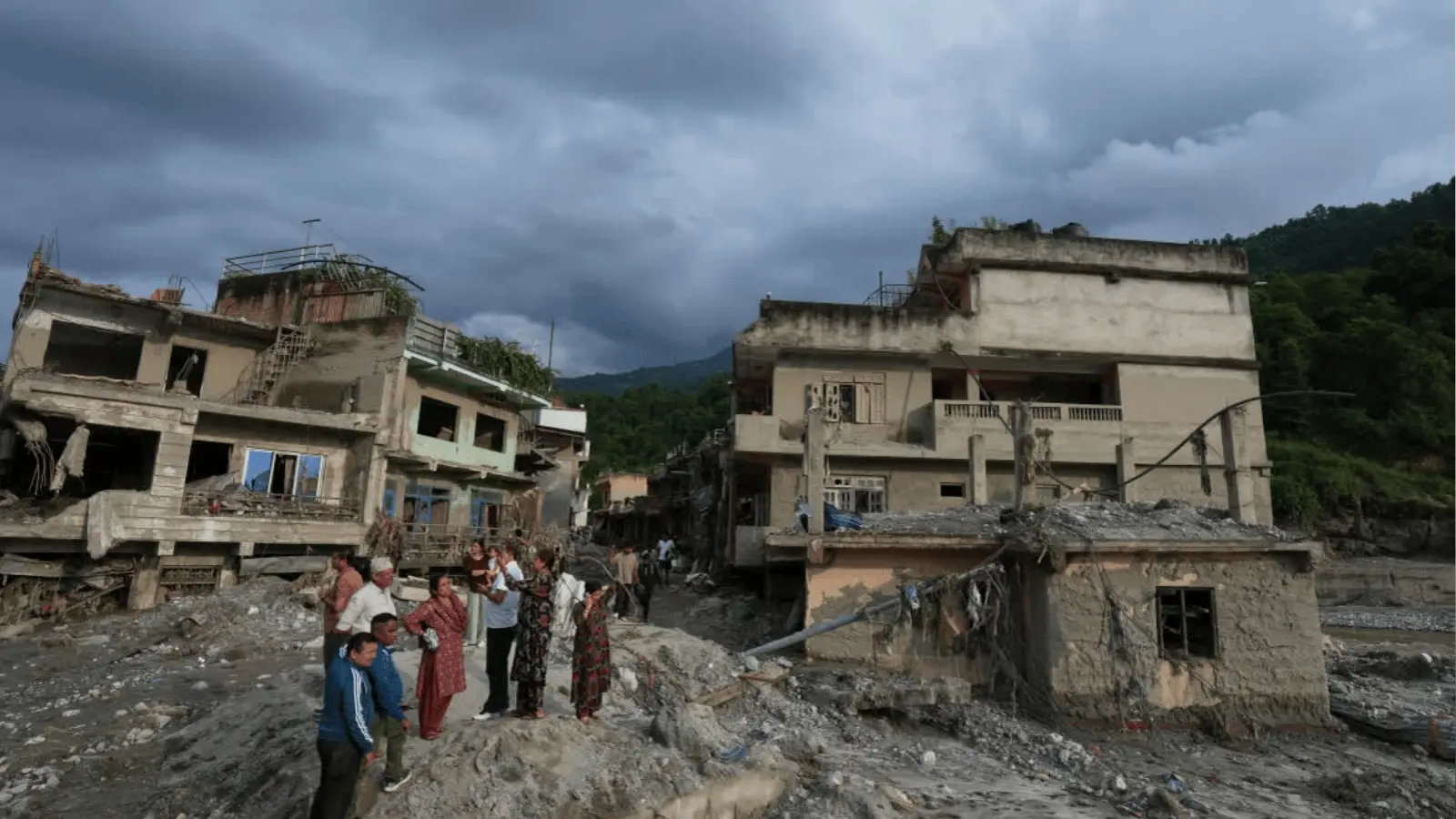
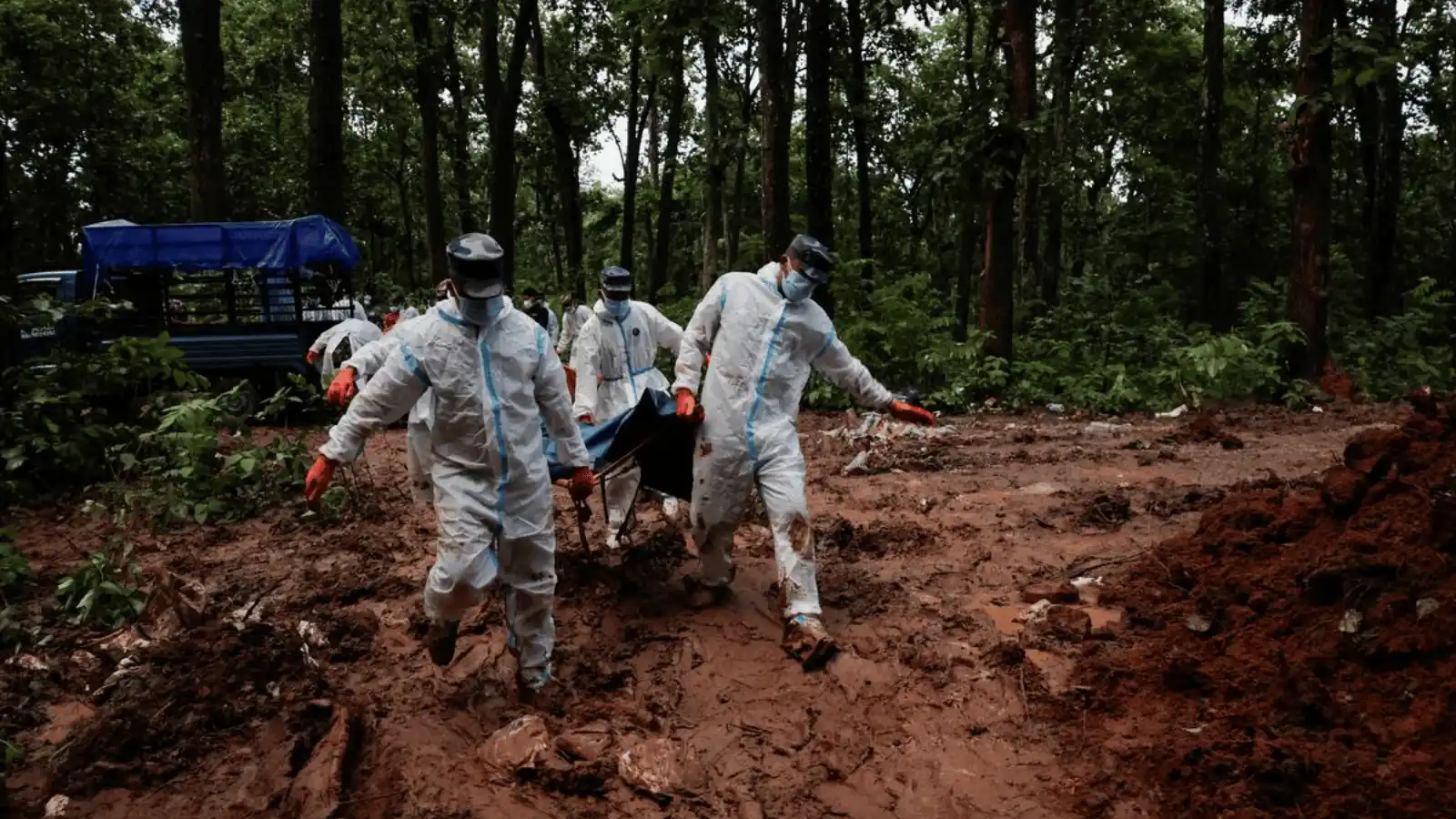
By August 27, deaths in Nepal had crossed 160, with more reported in Tibet and hundreds missing. China's state media confirmed the glacier collapse as the cause. Rescue teams faced brutal odds, mountainous terrain with no road access, unpredictable weather, and infrastructure that had simply vanished. Survivors described clinging to rooftops as the flood swallowed everything below, with entire settlements like Soley village in Nuwakot reported wiped out almost completely. Scientists Confirm It Wasn't An Earthquake, Point To A Warming Climate
By August 28, satellite analysis had settled the cause: not a quake, but a chain reaction of ice and bedrock failure that briefly dammed a river before bursting and sending fresh floodwater downstream. Researchers noted the Langtang glaciers have been warming and retreating faster in recent years, adding climate change to the list of contributing factors. The death toll in Nepal climbed into the hundreds, with well over a thousand still unaccounted for, and the disaster's reach turned out to be global, with missing foreign nationals from South Korea, Malaysia, Russia, the US and more than 30 other countries. India Mobilises A Full-Scale Relief Operation For Its Himalayan Neighbour
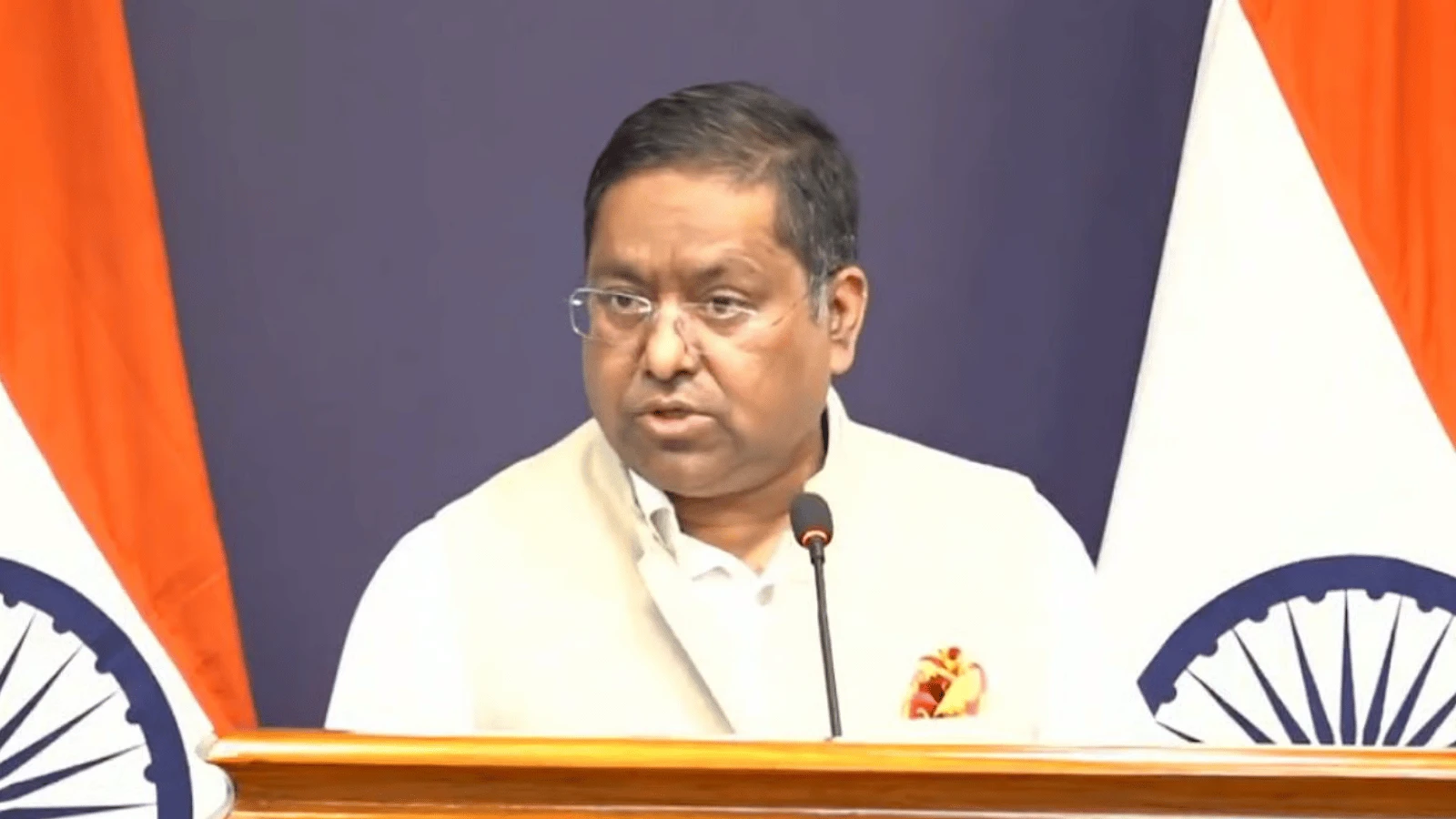
New Delhi moved fast once the scale of the disaster became clear. The Ministry of External Affairs said India stood ready to offer "any assistance" Nepal required. Two IAF aircraft carrying relief material and medicines reached Nepal by August 28, with a third dispatched the same evening, backed by C-17 and C-130 transport planes on standby. India also offered a specialised tunnel rescue team, a medical team, and technical crews to install Bailey bridges for cut-off villages, along with NDRF units, though Kathmandu's response on the NDRF offer was still awaited. Closer to home, the focus shifted to defending India's own border. Since Himalayan rivers ignore international lines, authorities positioned 20 NDRF teams, eleven in Uttar Pradesh and nine in Bihar, in vulnerable districts like Kushinagar. NDRF IG Narendra Bundela confirmed the disaster's scale in Nepal, even as no major flooding had yet hit Indian territory. The caution reflects hard experience: both states have suffered brutal Kosi and Gandak floods before whenever upstream surges from Nepal overwhelmed embankments. The Damage Keeps Growing, And The Danger Isn't Over
The latest confirmed figures put Nepal's death toll at 734, with 2,498 still missing, and Tibet at 16 dead with 546 missing. Human remains have reportedly been found as far as 240 kilometres downstream, inside Indian territory, showing just how far the destruction travelled. Beyond the human toll, the disaster has wiped out roads, bridges and an entire international trade crossing at Gyirong Port, cutting off a key link between Nepal and China. Experts warn the risk isn't fully over either: with more Himalayan glaciers retreating rapidly due to rising temperatures, similar sudden collapses could strike other valleys with little to no warning, putting downstream communities across Nepal, Tibet and northern India at continued risk in the years ahead. Speaking of developments, did you hear about the growing craze for Full Stack Development?? Among the many fields in technology, one of the most versatile fields is Full Stack Development. Unlike the standard back-end developer or the UI/UX front-end designer, a Full Stack Developer is an all-rounder that can do both and switch among either roles as the need arises! What do you do as a Full Stack Developer:-
Despite the onset of AI and news of layoffs, Full Stack Development is expected to grow even further. According to reports, the industry size for Full Stack Development was around $120.81 billion in 2025, and the same is expected to grow to $366.03 billion by 2030, indicating a CAGR of 24.67%!! Are you ready to land a job as a competent Full Stack Developer? Of course you are! Check out all the jobs from thousands of companies, startups to MNCs, on our job search platform. And the best part? Its completely free! Just sign up and look for your dream job!!
Not confident in your skills? We don’t blame you. Our education system is lacking in the sense that it doesn’t give us the kind of skills we need in the real world today. A report by Unstop Talent earlier this year revealed that a record 83% engineering graduates remained unemployed and without internship offers after completing graduation! Even IITs, which are considered the most premium tech institutions in India, have seen their minimum packages decline to a historic low of only Rs 4 LPA! Why? Because degrees don't matter! The same report by Unstop Talent revealed a massive paradigm shift in hiring, where 73% companies were preferring talent over the traditional prestige of premier college tags, indicating that skills are more important than fancy degrees!! Take this chance to learn from our industry experts and make a name for yourself. Become a proficient Full Stack Developer that can land any job in the field with our expert training, complete all the assignments under guidance from industry veterans, and land a lucrative job with a bright career path ahead! Click on the link and enroll in our latest cohort NOW!
|
||||||
|
-
 Jobaaj News
- Published: Sep 01 2026









Explore Topics

Newsletter
Tag Clouds
