|
||||||
|
Deal Deadline Expires, Trump Threatens To Bomb Oman!
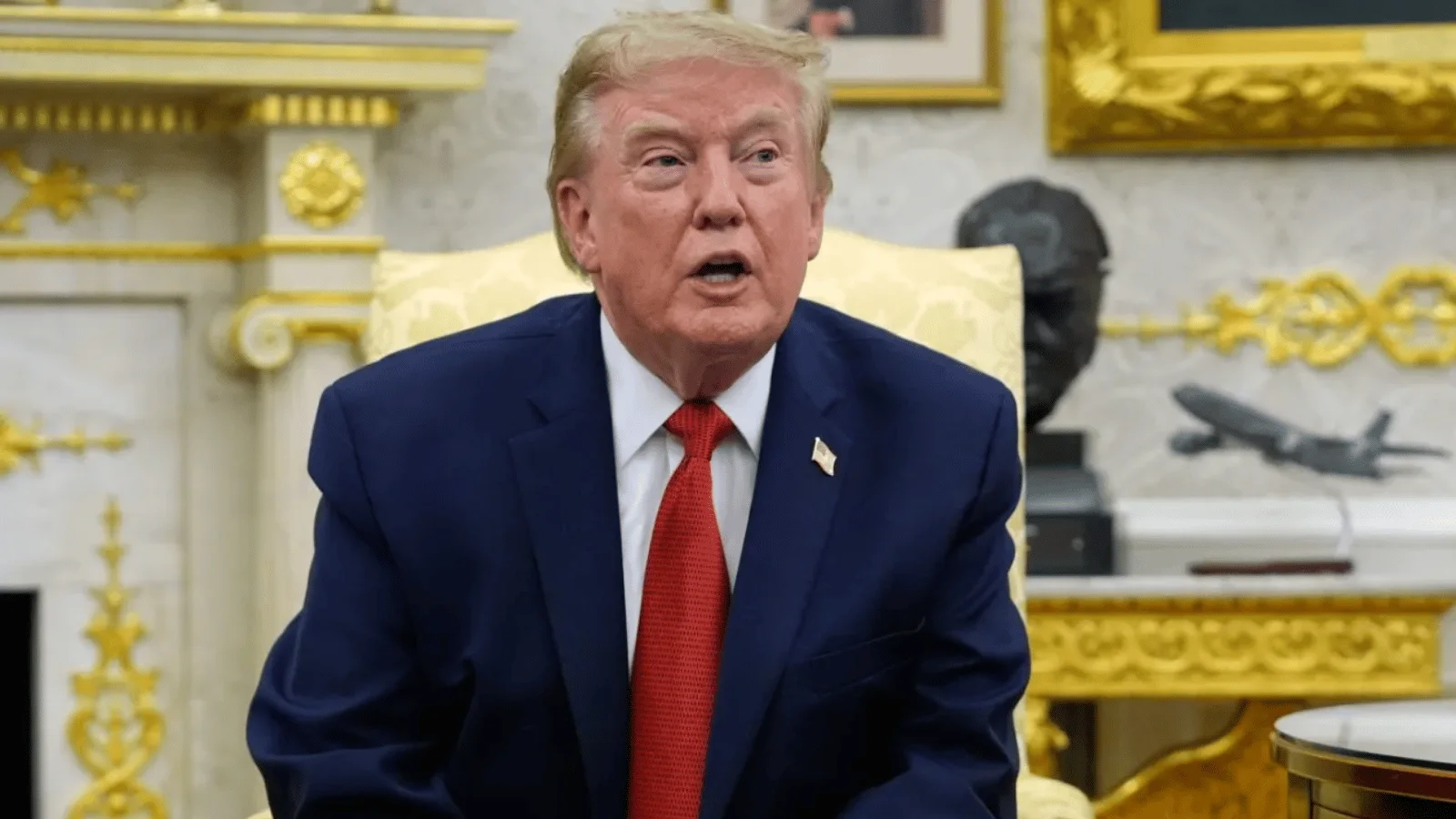
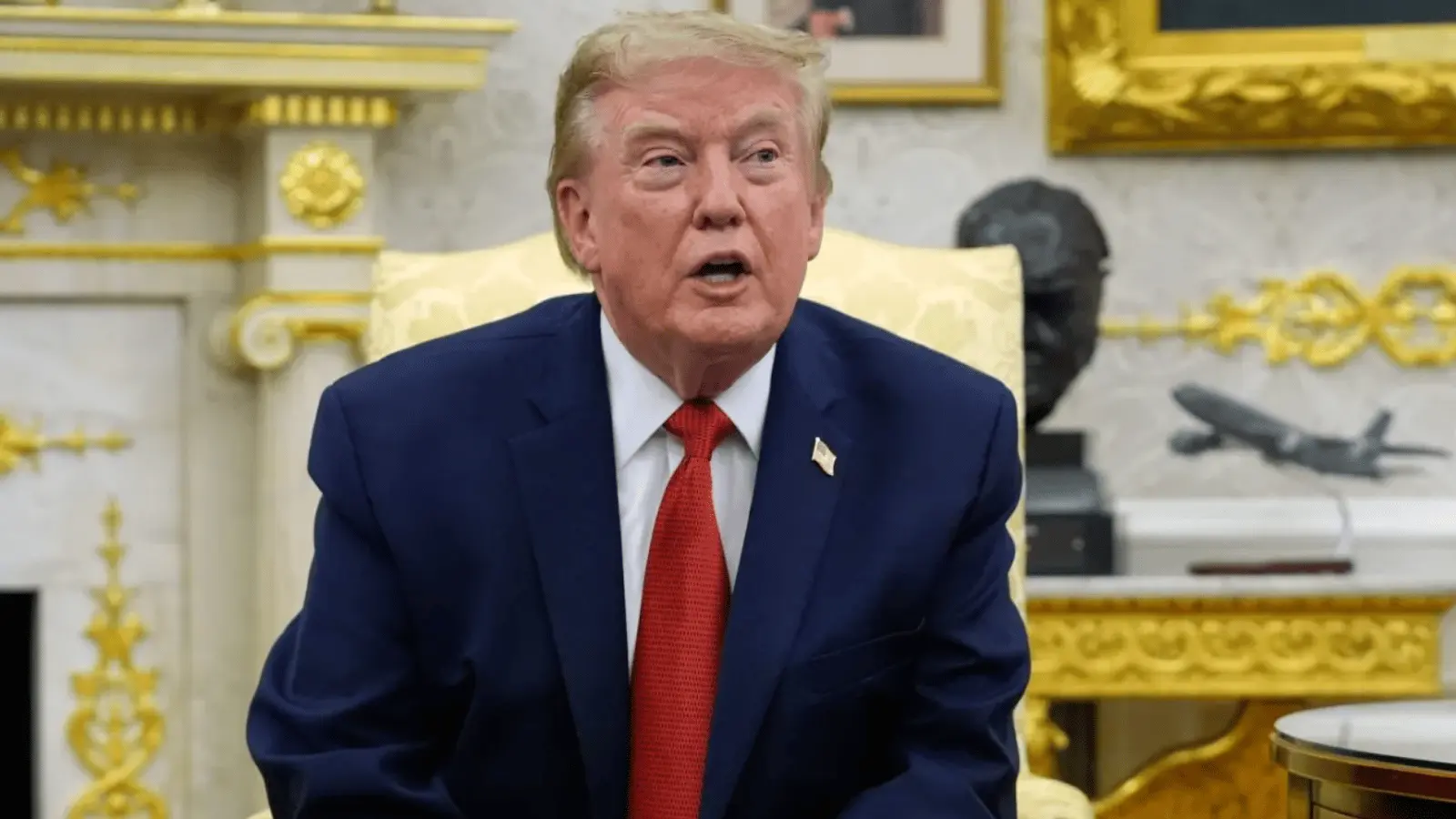
Monday, August 17 marked exactly 60 days since the US and Iran signed their memorandum of understanding in June, a deal meant to produce a wider peace agreement within that window. No such deal arrived. Instead, Trump turned his frustration toward Oman, the key West Asian mediator brokering shipping talks between Washington and Tehran. Asked by a Fox News correspondent if he was losing patience with Muscat, Trump said the US would "bomb the s--- out of" the Gulf sultanate if it "gets in the way" of reopening the Strait of Hormuz. He went further in the Oval Office, calling it "a great idea" to declare the strait US territory outright, insisting "we have total control" over it through the ongoing naval blockade. Iran Names Its Price, Ties It To The Wider Region
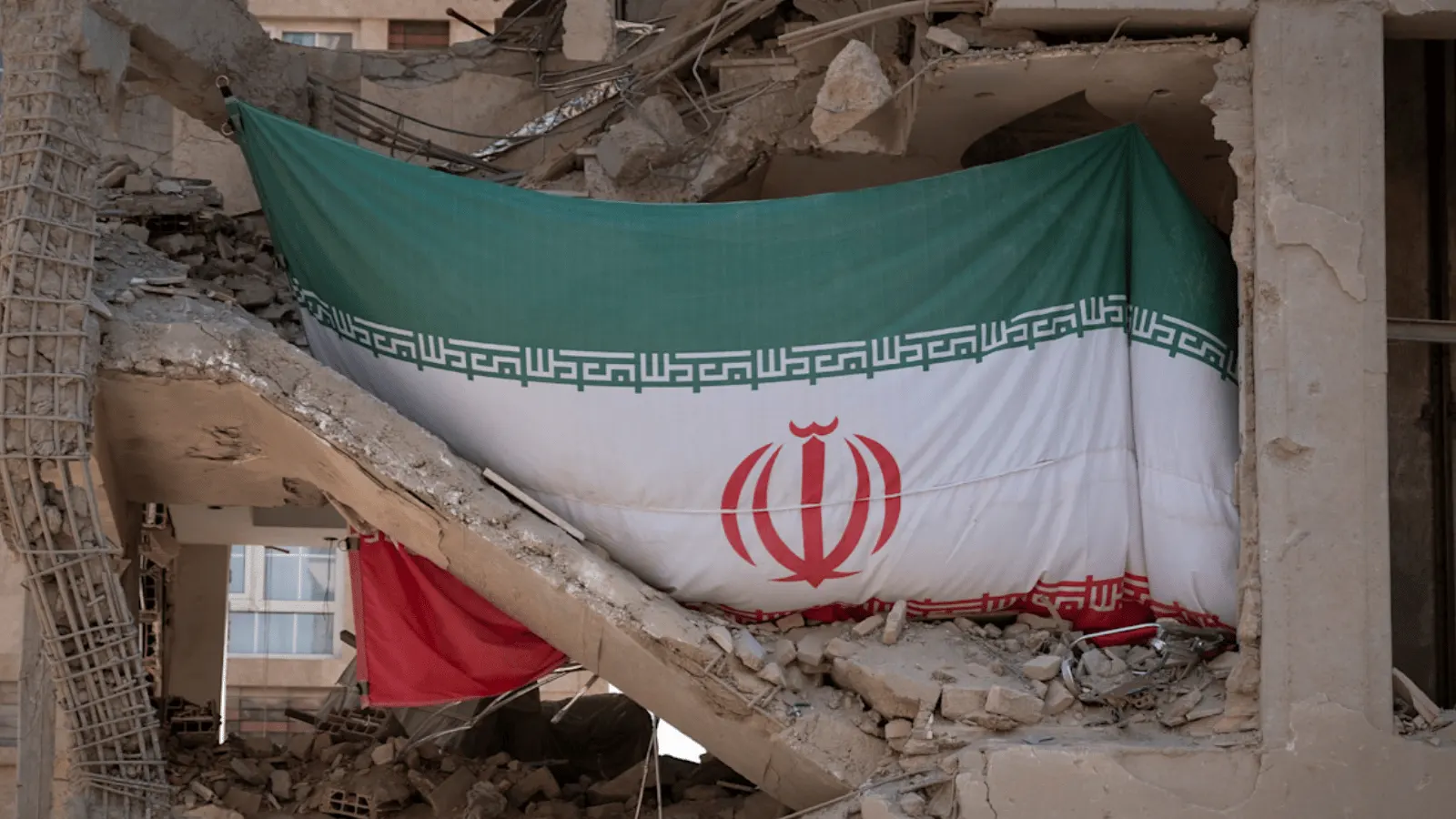
By August 18, Tehran had answered with its own conditions, and they reached beyond Hormuz itself. Parliament speaker Mohammad Bagher Ghalibaf demanded the release of Iran's frozen assets abroad, the lifting of sanctions on its oil exports, and a full withdrawal of the US naval blockade. "The Strait of Hormuz will not be opened until the American commitments stipulated in the memorandum of understanding are implemented," he said. Iranian officials also tied any resolution to Israeli operations in southern Lebanon, linking Hormuz directly to the broader West Asia conflict rather than treating it as an isolated shipping dispute. The same day, Trump posted an image labelling the strait "New US Territory." Trump Repeats His Claim As Gulf States Watch Nervously
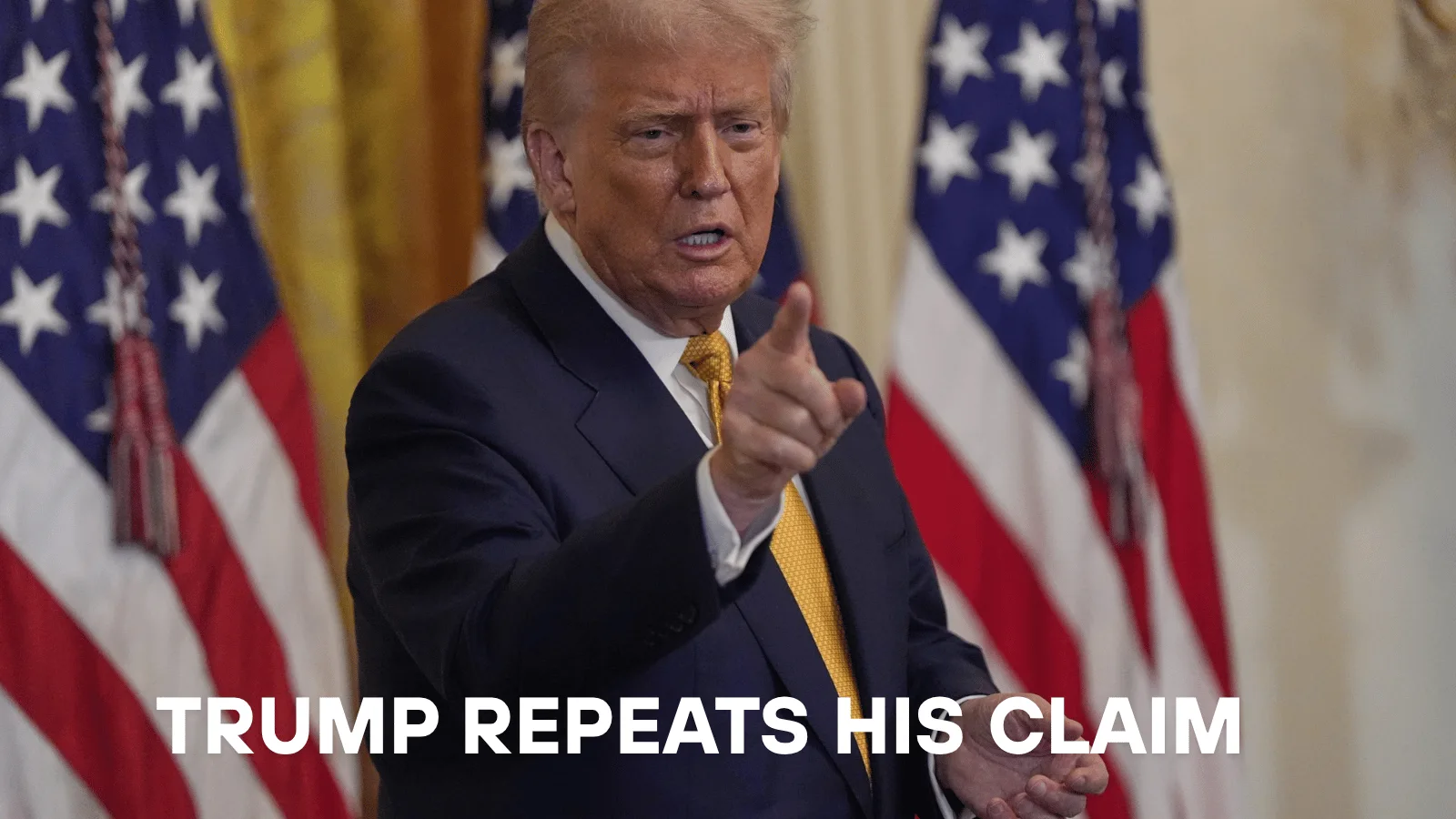
On August 19, Trump doubled down before reporters, insisting the US already controls the strait through its blockade and that stopping Iran's nuclear ambitions remains the sole reason American forces are still there. He dismissed any suggestion Washington was desperate for a deal, framing Iran as the eager party. Tehran, meanwhile, kept denying any direct US talks were underway, saying its only active channel ran through Oman on shipping routes. For Gulf states like the UAE and Saudi Arabia, reliant on unimpeded oil exports through Hormuz, it meant another day of uncertainty. Ship Traffic Collapses, Oil Prices Climb Toward $93
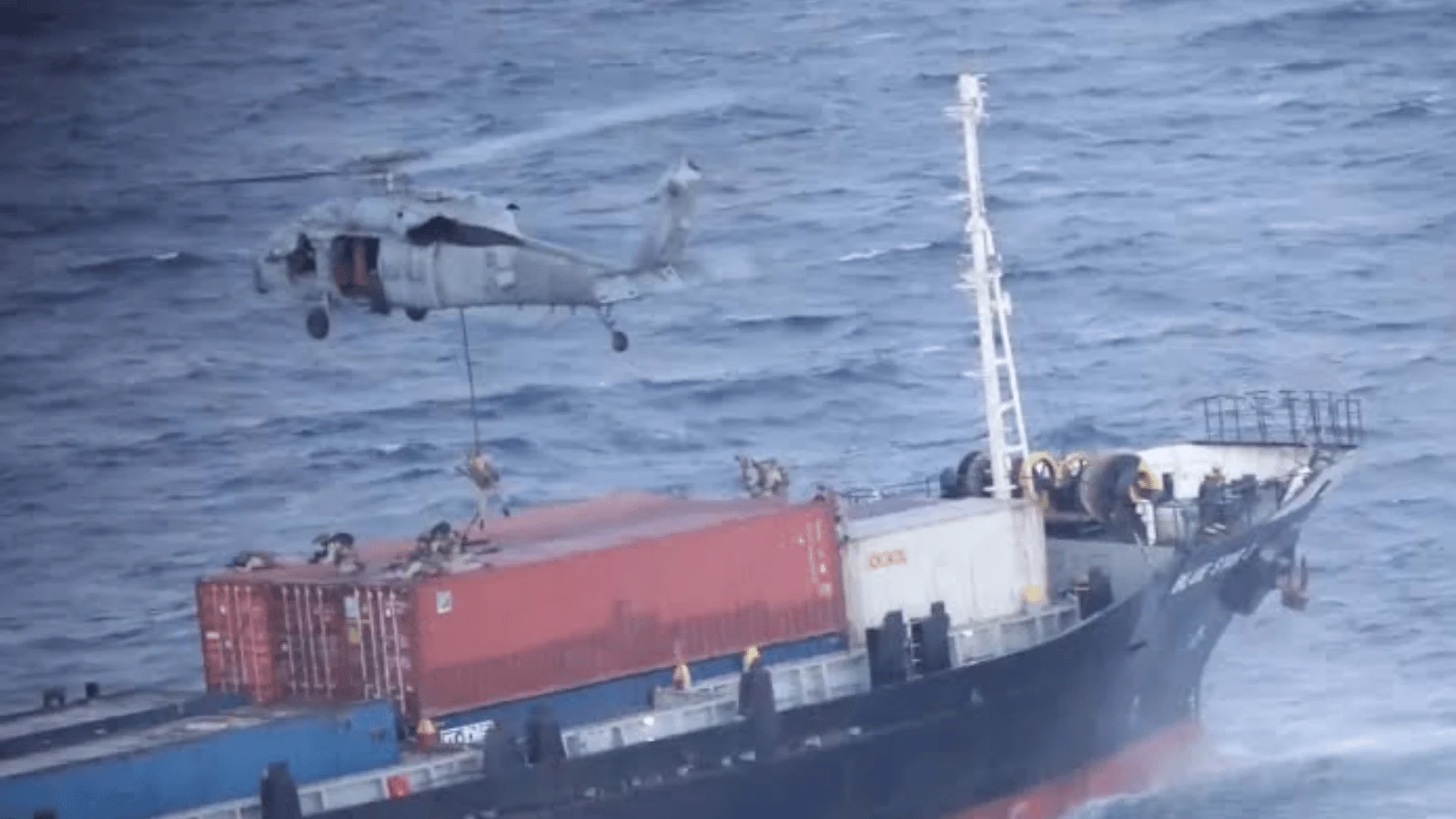
Data through August 20-21 showed how deep the disruption had become. Weekend crossings fell to as few as five vessels, compared with 31 the previous weekend, according to shipping tracker Kpler, a sharp drop for a waterway that once carried roughly a fifth of the world's seaborne oil. Brent crude climbed to $93.01 a barrel on August 20, its highest since late July, on pace for a weekly gain above 5%. The US Navy said it helped move over 15 million barrels of oil out of the strait that week, even as most tankers kept avoiding it, wary of Iranian threats and insurance premiums that have surged to 7.5-10% of a vessel's value. Gas Prices Bite At Home As A Weary Carrier Heads Home From The Gulf
By the weekend of August 21-22, the strain was visible both at American pumps and aboard US warships in the Gulf. CNN reported domestic gas prices running nearly a dollar higher than a year earlier, with AAA warning this could be one of the priciest Augusts on record. In the Gulf, the Navy confirmed the USS Abraham Lincoln, deployed without a single port call for over 260 days while enforcing the Hormuz blockade, was finally sailing home after nine exhausting months, following reports of crew mental health strain and supply shortages onboard. Its replacement, the USS George Washington, arrived in the region on August 19, with Defense Secretary Pete Hegseth insisting the Navy could sustain its West Asia posture "indefinitely" through continued ship rotations. India Feels The Squeeze From Thousands Of Miles Away
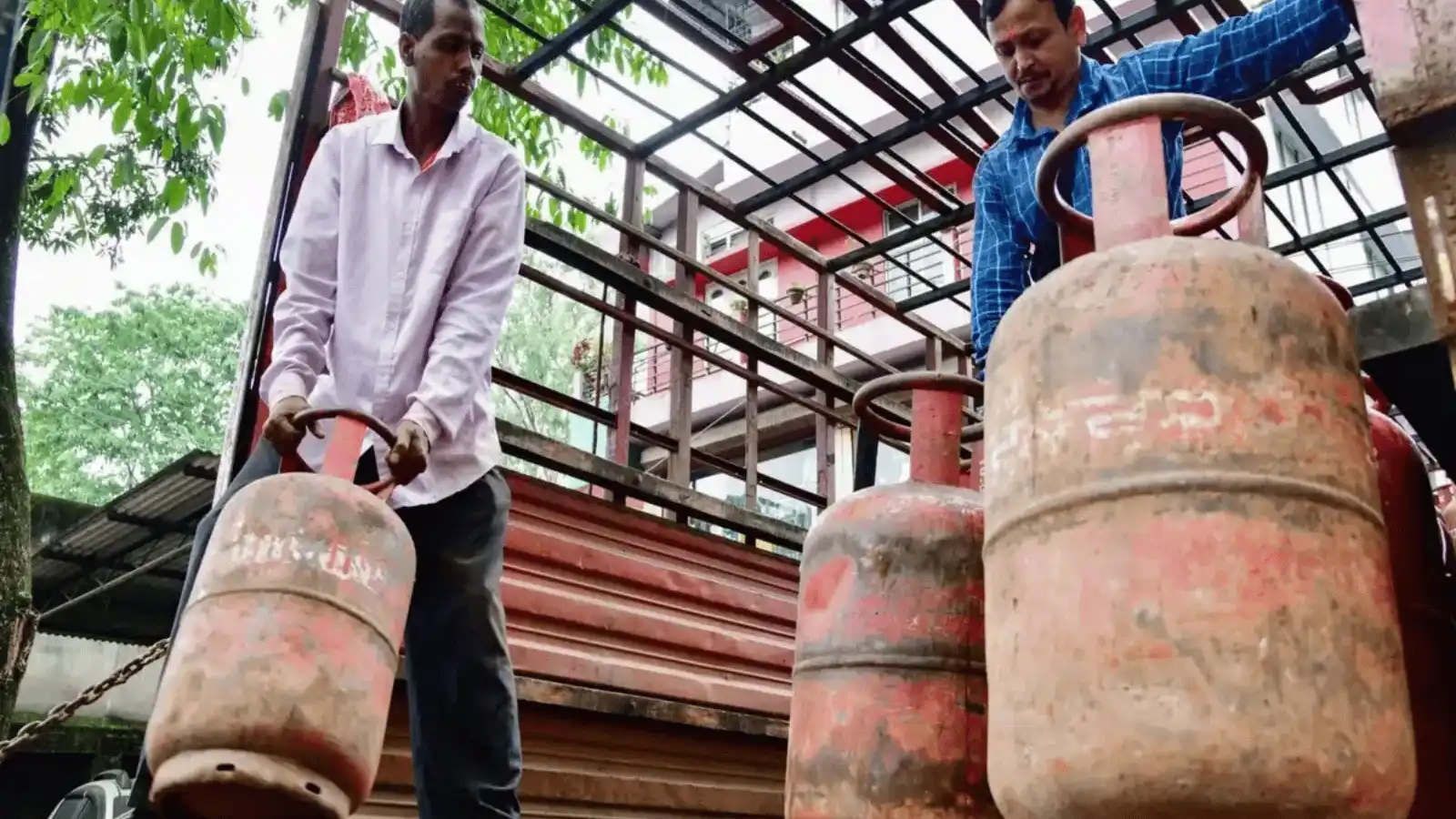
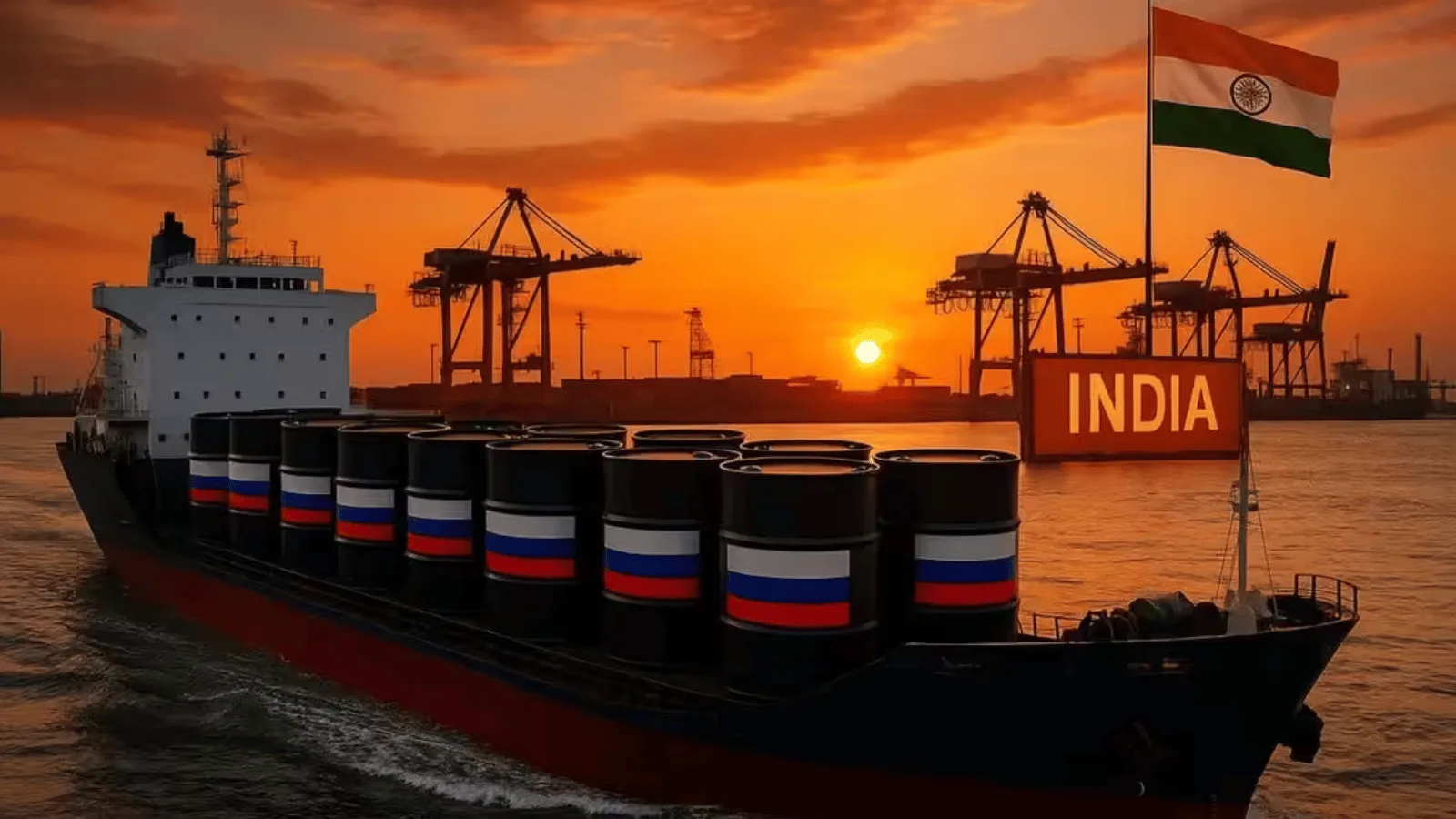
India imports close to 88% of its crude oil, and much of it, along with most of its LNG and LPG, normally moves through the Strait of Hormuz. Since the conflict began, India's crude import bill has already surged more than 60% year-on-year, pressuring the rupee and widening the current account deficit. India has diversified its sourcing to around 40 countries and leaned harder on Russian crude to soften the blow, but if Hormuz stays this disrupted, Indians could still feel it through higher petrol, diesel and LPG prices at home. Speaking of shocking, did you hear? Only 40% freshers secure a Rs 5 LPA package today!! The latest Unstop Talent Report 2026, which gathered inputs from 500+ HR leaders and almost 40,000 students, revealed a brutal story:-
Interestingly, this finding is even though 88% companies are actively hiring while 90% have maintained or increased their hiring budgets! So, companies want to hire but aren’t hiring?? According to Ankit Aggarwal, founder and CEO of Unstop, the decline in salaries is not a crash, but a “structural correction”. He claims that degrees were once considered a sign of potential, but companies are done paying for potential, as they want to pay for ‘Day One’ contribution. Companies are done paying for candidates with high CGPAs or college tags, as they now want proof of capability. In fact, 94% employers are said to have reportedly moved away from the pedigree-based hiring and are now moving to a skill-based hiring as those are the basis for determining salary packages. So what to do? The only answer is to upskill. The time to stay relaxed and reliant on your degree is over, as HRs are hiring based purely on skill instead of great grades. In terms of engineering, candidates need to upskill by learning skills for Data Analysis or Full Stack Development. For MBAs with an interest in helping companies, they must practically learn Management Consulting and Product Management skills. Finally, finance specialists must learn Financial Modelling to target jobs like those of an Investment Banker or Investment Analyst. So what are you waiting for? Enroll in the next cohort at Jobaaj Learnings! Our programs are practical, based on real-life cases, and made specially to help you land jobs. Gone are those days when recordings and hypothetical case data were enough to learn. Real-life cases and projects are the need of the hour! We at Jobaaj Learnings specialize in providing practical learning where you can shine at your job from the first day and receive the big bucks! Moreover, we are not like other edtechs where one is left to fend for themself after completing their learnings. Combining our expert HRs with our HR services division Jobaaj.com, we ensure our candidate use their practical learnings to land real jobs! Click on the link below and take the first step in your career NOW!
|
||||||
|
-
 Jobaaj News
- Published: Aug 24 2026




Explore Topics

Newsletter
Tag Clouds
