



People across India are eagerly waiting for Union Budget 2026 and its official presentation date. Traditionally scheduled for February 1, this year the day falls on a Sunday, sparking speculation about whether it will shift to February 2. This article covers the latest updates on the Budget 2026 schedule, reasons for any change, the Economic Survey, the Finance Minister’s plans, and what the date means for businesses, investors, and households. This article covers Union Budget 2026 date, schedule, preparations, and impact on the economy.
Why February 1 Is the Traditional Union Budget Day
Since 2017, the Union Budget has been presented on February 1 to give Parliament ample time for discussion before the new financial year begins on April 1. Finance Minister Arun Jaitley originally moved it from the last day of February for smoother planning. Despite February 1, 2026 being a Sunday, tradition and efficiency suggest the date may remain unchanged. Past weekend budgets show Parliament can convene on off-days without issues.
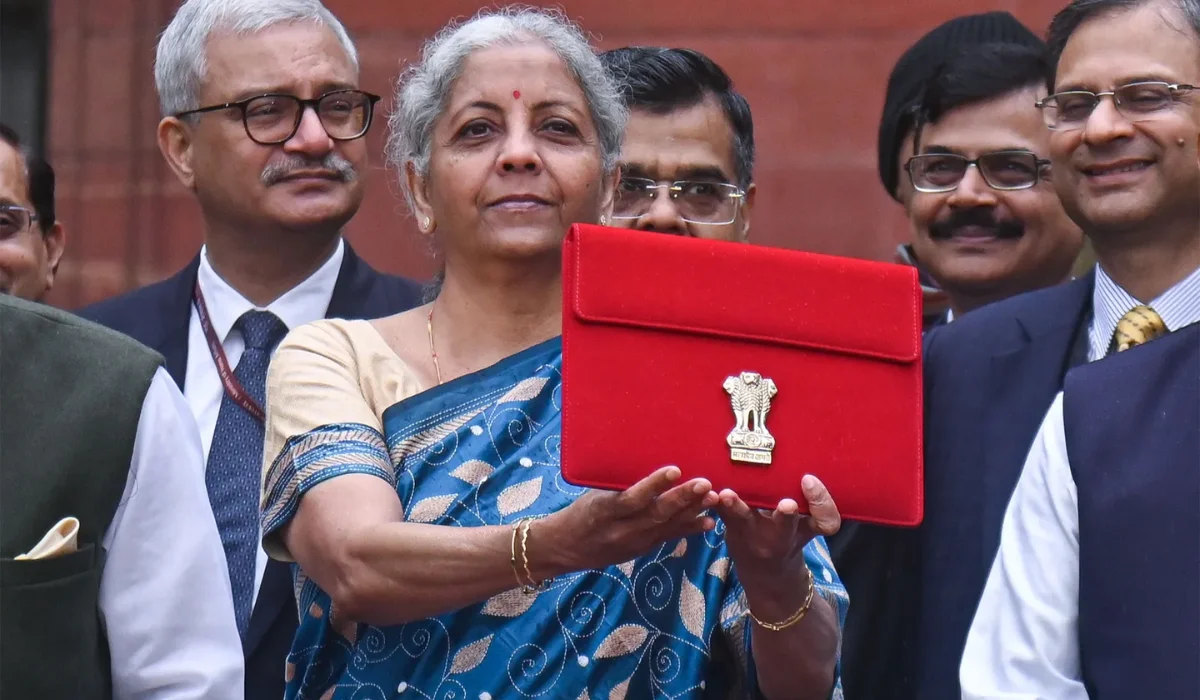
Sunday Clash and Budget 2026 Presentation
February 1, 2026 coincides with Guru Ravidas Jayanti, a public holiday. While banks and offices are closed, Parliament has historically met on holidays for budget announcements. Moving the date to Monday, February 2, could disrupt schedules for traders, offices, and government planning. Officials lean toward maintaining February 1 to avoid confusion and ensure smooth market functioning.
Finance Minister Nirmala Sitharaman’s Ninth Consecutive Budget
This will be Nirmala Sitharaman’s ninth Union Budget. She is expected to focus on boosting jobs, supporting small businesses, infrastructure spending, and education. Her traditional 11 am presentation aligns with global market timings and ensures smooth financial planning.

Union Budget 2026 Parliament Schedule
- Jan 28, 2026: Budget session opens with President’s address
- Jan 29: Economic Survey released
- Jan 30–31: Possible breaks for deliberations
- Feb 1 or 2: Union Budget 2026 presentation
This schedule allows lawmakers to debate proposals while giving markets time to prepare.
Why Union Budget 2026 Date Matters for Citizens and Businesses
A confirmed date lets families, businesses, and investors plan:
- Families: savings, loans, and school funding
- Businesses: tax planning and investment decisions
- Farmers & sectors: crop aid and support schemes
Delays can create uncertainty, while a fixed date ensures smooth financial planning.

Union Budget 2026 Expected Growth and Reforms
- Economic growth: Infrastructure, jobs, and rural development
- Tax reforms: Simplified GST slabs, income tax tweaks
- Infrastructure: Roads, railways, airports, and renewable energy
- Global trade & investments: Support for exports and small enterprises
OTHER ARTICLES TO READ:
- Varun Dhawan Hits Back at Fan's Criticism on Recent Films!
- JEE Main 2026 City Intimation Slip: How to Download?
- Is Sachin Tendulkar’s Son Arjun Set for Marriage in March?
- Kartik Aaryan Dating Rumours: What’s Real, What’s Rumour
- Saurabh Dwivedi’s Last Video at Lallantop: A Final Farewell on Stage
- iPhone Joy Turns Deadly: 3 Delhi Friends Die in Murthal Crash
- Why Did Trump Say PM Modi Is Unhappy Over Tariff Payments?
- Why Splitsvilla Winner Jay Dudhane Arrested in Mumbai? Full Details
- Why Ragini Khanna Spoke Now on Govinda Gun Accident? Full Context Inside
- Aamir Khan Was Angry on Sunil Grover? The Full Drama Unfolded!
How Budget 2026 Could Affect Your Wallet
- Salaried individuals: Possible tax slab adjustments
- Homebuyers: Loan and interest-related announcements
- Parents & schools: Education funding
- Retirees: Pension and social welfare changes