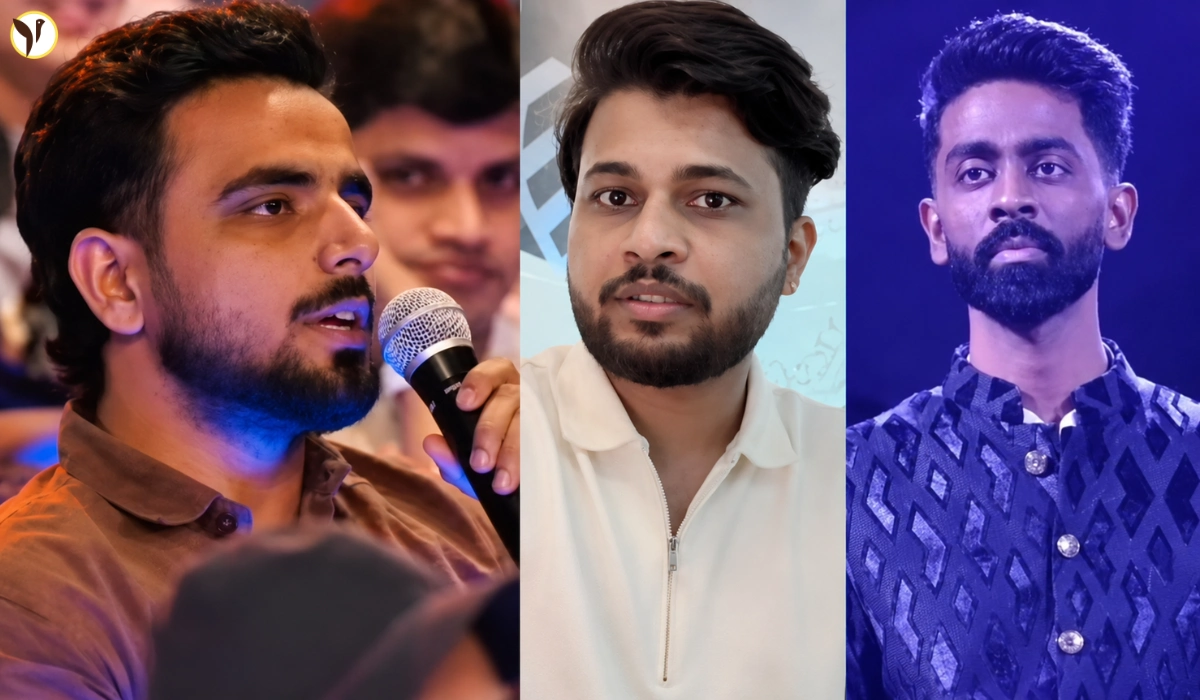


A single remark at a stand-up comedy show. A plate of chicken biryani worth Rs 370. And a 23-year-old's career, dismantled in under 48 hours.This is not a story about biryani. It is a story about what happens when a room full of people laugh at something the rest of the country finds deeply troubling — and what the digital age now does with that disconnect.
It began with a plate of chicken biryani — priced at Rs 370 — and ended with a young man losing his livelihood, a comedian issuing a public apology, and an entire country debating something it has long preferred to leave unspoken: the dangerous confusion between paying for a date and owning a woman's consent.
Who Is Himanshu Jangra — and What Exactly Did He Say?
Himanshu Jangra was a Gurugram-based web developer employed at Starvik Design, a branding and social media firm. By all accounts inside the office, he was described as professional, respectful, and hardworking. No prior complaints. No red flags at work.
Then came the stand-up show.
During a crowd-work segment at comedian Pranit More's live performance, Jangra — a willing participant — recounted a date he had been on. The cost of the outing? A plate of chicken biryani and a bottle of water, totalling Rs 370. That figure, modest by most urban standards, became the fulcrum of a statement that would unravel his professional life.
What he said, in his own words: "Maine kaha 370 rupay lage hain, main wasool toh karunga." Translation: "I spent Rs 370, so I have to get something back."
The crowd laughed. Pranit More laughed. Someone filmed it.
But Jangra did not stop there. He went on to describe how, when the woman asked to be dropped home, he instead insisted she accompany him to a "dark" park — despite her repeated and visible reluctance. The framing of her hesitation was not as a boundary to respect, but as an obstacle to overcome.
The Clip Goes Viral: Timeline of the Controversy
|
|
|
|
|
|
|
|
|
|
|
|
|
|
|
|
|
|
|
|
|
|
|
|
The Company's Response: Swift, Considered, and Complicated
What distinguishes this case from most viral outrage cycles is the measured tone of the employer's response.
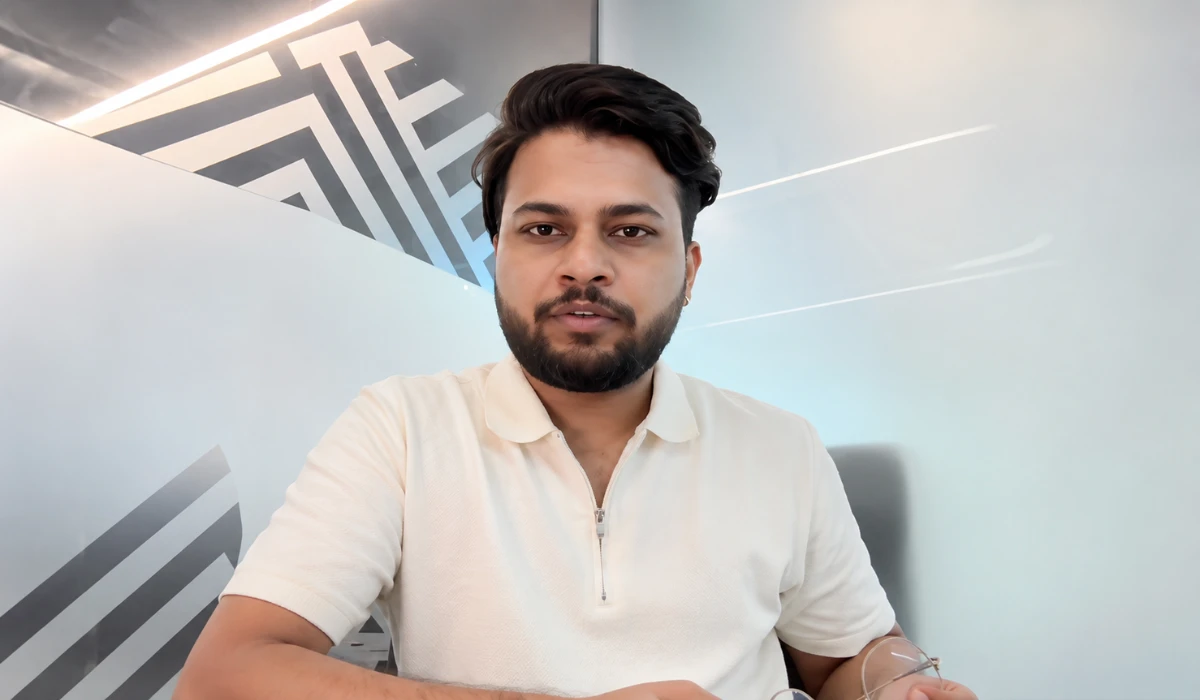
Vivek Vishwakarma, founder of Starvik Design, did not issue a one-line press release. He recorded a video statement on Instagram in which he confirmed that the company had received "hundreds of emails, calls, and messages" about Jangra in under 24 hours.
His statement, in part: "Let me be very clear — the statements shown in those clips are offensive. They are not something I agree with. They are not something our company stands for, and they certainly should not be influencing young minds."
Importantly, Vishwakarma revealed that Starvik Design had conducted an internal review before making its decision — speaking with colleagues, including women who worked directly with Jangra. Their verdict: he was "professional, respectful, hardworking, and well-behaved at work." There had been no prior complaints.
The termination, then, was not rooted in workplace misconduct. It was rooted in reputational impact and cultural accountability. As Vishwakarma put it: "What happened outside the workplace has now affected the workplace, and I have a responsibility towards the company, our team, our clients, and the environment we create here."
He also walked a difficult line — one he acknowledged was "like walking on a blade" — in urging the public not to harass a 23-year-old beyond the point of consequence. "A person can be wrong. A person can make a terrible mistake. A person should face consequences. But I hope we never become a society that believes people cannot learn, reflect, apologise, or change."
That appeal for proportionality drew its own backlash from some quarters. One commenter captured the tension sharply: "Let's leave room for reflection and learning. I hope you extend that same understanding and energy to all those entitled men who hold the same views about the women in your family."
Why This Wasn't Just a Joke
Stand-up comedy regularly pushes boundaries. But the Jangra clip was not really a stand-up bit — it was crowd-work, where a real audience member described a real event involving a real woman who has no name, no voice, and no presence in the clip.
The woman in this story never consented to being part of a public performance. Her hesitation was packaged as comedic fodder. Her repeated reluctance to visit a dark park was framed as a plot obstacle — not as a signal that mattered.
That framing is the crux of the criticism. Critics argued this was not dark humour or edgy comedy — it was a man describing coercion and expecting applause. The distinction between the two is not subtle; it is the difference between punching up and normalising harm.
Comedian Pranit More's role also came under scrutiny. He did not merely laugh — he labelled the story "peak Gurgaon content," a phrase that positions coercive behaviour as a regional personality quirk rather than a serious problem. He later apologised and deleted the clip, but the internet's memory is longer than any social media post.
The Bigger Pattern: This Has Happened Before
This is not the first time Indian social media has erupted over a comedian's crowd-work segment. The pattern is by now familiar:
- Ranveer Allahbadia and Samay Raina faced significant backlash in 2025 over remarks made during a podcast that many found offensive and demeaning.
- Multiple comedians have faced criticism for jokes that frame women as obstacles, obligations, or prizes.
- The "friendzone" discourse, the "6000 joke" controversy, and now the "Rs 370 biryani" — each incident follows a similar arc: laughter in the room, outrage online, apology after the fact.
The pattern suggests this is not about individual bad actors but about attitudes that find approval in live rooms long before the internet finds them unacceptable.
The Consent and Entitlement Question
At its core, this controversy is about a very old idea dressed in modern clothing: that spending money on a woman creates an obligation.
The amount — Rs 370 — became almost satirical in its smallness. Social media users pointed out that this is the cost of a single auto-rickshaw ride in many cities, or less than a movie ticket. But the amount is beside the point. The logic — I spent money, therefore I am owed something physical — would be equally troubling at any price point.
Consent, by legal and ethical definition, cannot be purchased. The Supreme Court of India has consistently held that a woman's right to bodily autonomy is inviolable. Framing a date as a financial transaction with expected returns is not merely crass — it is a worldview that, when acted upon, crosses into coercion.
So Himanshu Jangra was fired by his boss not for morals,
— Dear Men (@Dear_Men_Life) June 11, 2026
But because the company's business was hurting.
"We are design & marketing agency,
So our clients come from social media.
And our business was hurting. So I fired him"
Will Sejal Pawar be fired or Not?
🤡 pic.twitter.com/pOqvnKxQXp
Should Employers Act on Off-Duty Conduct? The Debate
This case has also reignited a genuine legal and ethical debate: should an employer be able to terminate someone for what they say outside of work?
Arguments for Starvik's decision:
- The viral clip directly linked Jangra to his employer, causing reputational harm
- Workplace culture includes the values employees publicly project
- Women colleagues and clients have a right to feel safe around employees
Arguments for caution:
- No internal misconduct was found after a formal review
- Employers acting on social media pressure sets a precedent for mob-driven HR decisions
- A 23-year-old facing permanent career consequences for a single public moment raises questions about proportionality
There is no clean answer here. But what Starvik Design did — conducting a genuine internal review, speaking to colleagues, and explaining its reasoning publicly — is a more defensible process than many employers demonstrate when viral pressure arrives.
What Happens Next
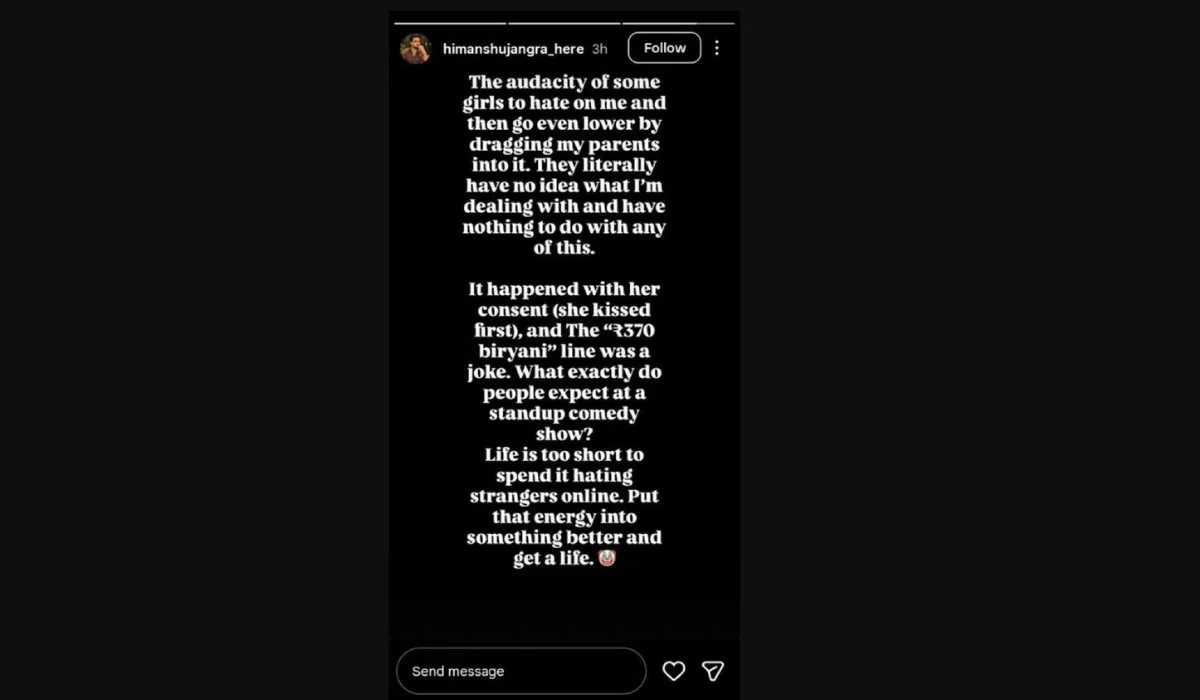
Himanshu Jangra has apologised and deactivated his social media accounts. Whether his apology reflected genuine understanding or crisis management is something only he knows.
Pranit More has removed the clip and apologised, though critics note the apology came only after commercial and reputational pressure.
The broader conversation — about entitlement in dating culture, about comedians' responsibility when audiences share disturbing views, about the reach of digital accountability — is not going away with one termination.
India has a growing cohort of young urban professionals navigating dating, comedy, and social media simultaneously. The Rs 370 biryani case is a data point in a much larger reckoning about what attitudes are acceptable, what humour is harmless, and what the internet will and will not let pass.
Other Articles to Read: